
Plants
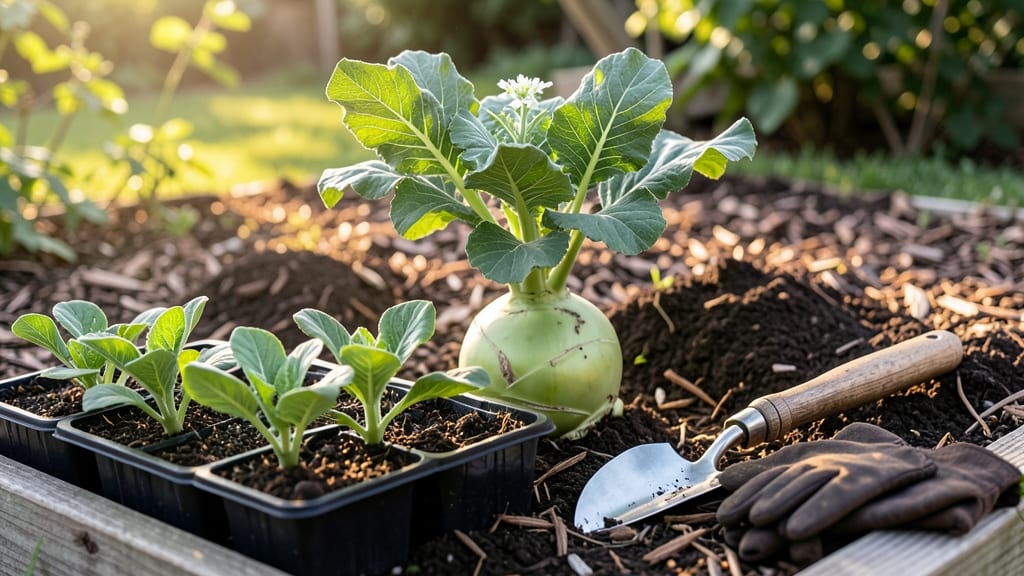
If you've ever planted kohlrabi in Zone 8 only to watch it bolt into bitter, flower-filled stalks, you're not alone. The key to growing sweet, tender 🥬 bulbs lies in perfecting your planting timing—something I've learned the hard way after a few failed attempts in the heat.
Zone 8's mild winters and hot summers make kohlrabi a finicky crop, but with the right strategy, you can enjoy two harvests a year. The secret? Planting in late winter or early fall when soil temperatures hover between 50-65°F, avoiding the summer heat that triggers bolting.
Let me show you exactly when to put those seeds in the ground for the best results.
What you'll discover is how to work with Zone 8's unique climate—whether you're in coastal areas with cooler microclimates or inland spots that bake in summer. We'll cover soil temperature tricks, shade solutions, and companion plants that keep your kohlrabi happy until harvest. Ready to grow the perfect crop?
From succession planting to variety selection, these insights will help you skip the common mistakes and enjoy crisp, flavorful kohlrabi from spring through fall. Let's get those seeds in the ground at the right time!
Optimal planting windows for kohlrabi in Zone 8 by month
Zone 8's mild winters and hot summers create a unique challenge for growing kohlrabi. Unlike cooler climates, you can't plant this cool-season crop just once—you'll need two strategic windows to avoid bolting.
The key is timing your plantings to align with soil temperatures between 50-65°F and Zone 8's 240 frost-free days.
For spring harvests, aim to plant 4-6 weeks before your last frost date (typically mid-February to early March in Zone 8). This gives your kohlrabi enough time to mature before summer heat arrives.
For fall harvests, plant 8-10 weeks before your first frost (usually late August to early September), allowing bulbs to swell before cooler weather sets in.
Here's the month-by-month breakdown with soil temperature thresholds and heat tolerance limits to keep your kohlrabi sweet and tender:
| Planting Window | Soil Temp (°F) | Heat Tolerance | Harvest Window | Zone 8 Notes |
|---|---|---|---|---|
| Late February - Early March | 50-55°F | Moderate | April - May | Best for spring harvest; use shade cloth if temps rise above 75°F |
| Mid-March | 55-60°F | Low | May - Early June | Risk of bolting increases; harvest quickly |
| Late August - Early September | 60-65°F | High | October - November | Ideal for fall harvest; cooler temps prevent bolting |
| Mid-September | 55-60°F | Moderate | November | Late planting; protect from early frosts |
In Zone 8a (cooler microclimates), you can push your spring planting window slightly later—even into early April—while still achieving harvests before summer heat peaks. For Zone 8b (hotter inland areas), stick to the earlier windows and use shade cloth to protect plants from afternoon sun.
For succession planting in Zone 8, sow new seeds every 2-3 weeks during your optimal windows. This staggered approach ensures a continuous supply of fresh kohlrabi bulbs.
For example, if you plant your first batch in late February, follow with additional plantings in early March and mid-March for a prolonged harvest.
Remember that kohlrabi bolts when exposed to consistent temperatures above 75°F for more than a few days. In Zone 8's summer heat, this means your spring-planted kohlrabi will likely bolt by June. That's why fall plantings are so crucial—they allow you to harvest before summer's return.
If you're growing kohlrabi in containers or raised beds in Zone 8, you have even more control over timing. These setups warm up faster in spring, so you may need to delay planting by 1-2 weeks compared to in-ground plantings to match soil temperature thresholds.
For coastal Zone 8 areas (like Southern California), your windows shift slightly. Plant in January-February for spring harvests and September-October for fall, taking advantage of the moderating ocean influence that delays heat buildup.
Optimal planting windows for kohlrabi in Zone 8 by month
Zone 8's mild winters and hot summers create a unique challenge for growing kohlrabi. Unlike cooler climates, you can actually plant this cool-season crop twice a year—once in early spring and once in late summer—for two harvests.
The key is timing your plantings to avoid soil temperatures above 65°F, which triggers bolting.
For spring harvests, start seeds indoors 6-8 weeks before your last frost (around mid-January in Zone 8). Transplant seedlings outdoors 4-6 weeks before last frost (early February).
This gives plants time to mature before summer heat arrives. Kohlrabi bulbs typically reach harvest size in 55-70 days, so aim for transplants by early March.
For fall harvests, plant seeds directly in the garden 8-10 weeks before first frost (late August to early September). This timing ensures bulbs mature before winter chill sets in. In Zone 8, where first frosts average mid-November, late August plantings should yield harvests by late October.
| Month | Planting Window | Soil Temp | Harvest Time | Notes |
|---|---|---|---|---|
| January | Indoor starts | 60-65°F | April-June | 6-8 weeks before last frost |
| February | Transplant outdoors | 50-60°F | April-June | Avoid transplant shock |
| August | Direct sow | 55-60°F | October-Nov | Use shade cloth if hot |
| September | Succession plant | 50-55°F | October-Nov | Extend season with mulch |
If you're in Zone 8a (cooler microclimates like higher elevations), you can push spring plantings slightly later—even into early April—while still avoiding summer heat. For Zone 8b (hotter inland areas), stick to the earlier windows and consider shade cloth for late summer plantings to maintain ideal soil temperatures.
Pro tip: Use a soil thermometer to monitor temperatures. Kohlrabi thrives when soil stays between 50-65°F. If temperatures climb above 70°F, your plants will bolt quickly, ruining that sweet, crisp texture we all love. Plant in morning sun or use light shade to keep roots cool.
For continuous harvests, try succession planting every 2-3 weeks during your optimal windows. This staggered approach ensures you always have fresh kohlrabi ready to pick while avoiding overwhelming your garden with mature plants at once.