Plants
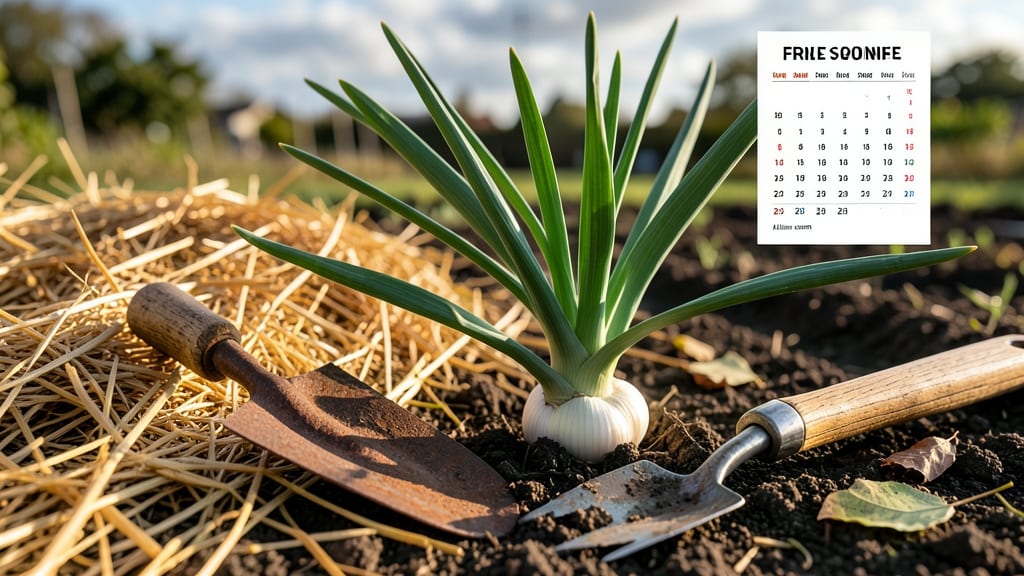
Planting garlic in New Hampshire at the wrong time means spending winter watching your cloves rot in the cold—unless you know the exact window to get it right. With USDA zones 5a-6b and frost creeping in by mid-October, timing is everything for 🧄 hardneck and softneck varieties alike.
The best time to plant garlic in NH is between mid-October and November, when soil temps drop but haven’t frozen solid. This 6-week window before the ground freezes is your golden opportunity to ensure strong roots and next summer’s harvest.
Skip this timing, and you risk weak growth or total failure—especially in NH’s unpredictable winters.
Whether you’re growing hardneck (the classic NH favorite) or softneck (better for storage), the rules are the same: plant early, mulch heavily, and protect from heaving snow.
I’ll walk you through the exact steps to nail your planting schedule—so you can avoid the most common mistakes and enjoy plump, flavorful bulbs by July.
Ready to stop guessing and start growing? Let’s break down the best months, soil prep, and variety-specific tips to make your NH garlic garden a success—no matter how harsh the winter gets.
Best planting months for garlic in New Hampshire by variety type
New Hampshire gardeners know timing is everything—especially when planting garlic. The best time to plant garlic in NH depends on whether you’re growing hardneck or softneck varieties, as their ideal planting windows differ slightly.
For hardneck garlic (the most popular choice for NH’s climate), aim for mid-October to early November. This timing ensures cloves establish roots before the ground freezes, typically around mid-December in most of the state.
Softneck garlic, on the other hand, is more flexible and can be planted as late as early December, though November is still ideal for both varieties. The key is planting 4-6 weeks before the first hard frost, allowing bulbs to root deeply but not sprout prematurely.
In USDA Zones 5a-6b (which covers all of NH), this window aligns perfectly with late fall.
Here’s why timing matters: Garlic grows best in cool weather and needs 60-80 days of cold exposure (a process called vernalization) to form large bulbs. Planting too early risks sprouting before winter, while planting too late may leave cloves vulnerable to freeze-thaw cycles or poor root development.
For NH’s short growing season, precision is critical.
🧄 Garlic Planting Comparison for New Hampshire
| Variety | Best Planting Window | Soil Temp (°F) | Key Notes for NH |
|---|---|---|---|
| Hardneck Garlic | Mid-October to early November | 40-50°F | Needs vernalization; produces scape (edible stem). Best for NH’s climate. |
| Softneck Garlic | Late October to early December | 45-55°F | More flexible; stores longer but less cold-hardy. Riskier in late NH winters. |
| Elephant Garlic | Mid-October to early November | 40-50°F | Larger cloves; treats like hardneck. Great for cooking but not scapes. |
⚠️ Pro Tip: Use a soil thermometer to confirm temps. NH’s frost dates vary by region—coastal areas may have 2-3 weeks longer to plant.
If you’re in northern NH (Zone 5a), prioritize planting by October 15th to avoid winter risks. In southern NH (Zone 6b), you can stretch planting until November 1st.
The goal is to let cloves root but not sprout before winter. Overwintered garlic will shoot in early spring (March-April) and thrive until harvest in late June-early July.
One common mistake NH gardeners make is planting garlic too early (September or early October), which can trigger premature sprouting. If this happens, cover the bed with straw mulch (4-6 inches) to insulate cloves until soil temps drop.
Alternatively, store cloves in the fridge for 2-3 weeks to delay sprouting before planting.
For organic gardeners, amend soil with compost or well-rotted manure in early fall (September) to improve drainage—a critical factor in NH’s heavy clay soils. Aim for pH 6.0-7.0 and loamy, well-draining soil. Raised beds work wonders in wetter areas like the White Mountains or Lake Winnipesaukee region.
Harvest timing is just as critical as planting. In NH, hardneck garlic typically matures by late June, while softneck may need until early July.
Look for brown lower leaves and papery bulb skins—these are your cues. Cure harvested garlic in a dry, shady spot for 2-3 weeks before storage.
🌱
Best planting months for garlic in New Hampshire by variety type
New Hampshire’s USDA Zones 5a-6b create a unique challenge for garlic growers—timing is everything. Unlike warmer climates, NH’s short growing season and early frosts mean garlic must be planted in fall to establish roots before winter. But not all garlic varieties thrive under NH’s conditions, especially hardneck vs. softneck types.
Hardneck garlic, prized for its bold flavor and scapes, needs cold stratification to form bulbs. Softneck varieties, like Silverskin, store longer but struggle with NH’s harsh winters. The key? Planting 4-6 weeks before the ground freezes—typically mid-October to early November in most of NH.
Here’s how to match your variety to NH’s frost dates and soil temperatures for a foolproof harvest:
| Variety Type | Best Planting Window (NH) | Soil Temp. Requirement | Key Consideration |
|---|---|---|---|
| Hardneck (e.g., Music, German Red) | Mid-October to early November | 40–50°F (4–10°C) | Needs winter chill for bulb formation |
| Softneck (e.g., Artichoke, Silverskin) | Late October to early December | 45–55°F (7–13°C) | More frost-tolerant but slower to mature |
| Elephant Garlic (e.g., Inchelium Red) | Early October to mid-November | 40–50°F (4–10°C) | Larger cloves need earlier planting |
⚠️ Pro Tip: Use a soil thermometer to confirm temps—NH’s microclimates can vary by 2+ weeks!
For coastal NH regions (like Portsmouth), aim for late October planting—warmer ocean breezes delay frost. Inland areas (e.g., Concord or White Mountains) should plant by early November to avoid ground freezing. Always check your last frost date—NH’s ranges from mid-October (coast) to late October (inland).
Missed the fall window? Spring planting is risky in NH, but if you must, plant softneck varieties in early April—they’ll mature slower but still produce. Hardnecks planted in spring often bolt (flower) prematurely, ruining bulb quality. Stick to fall for the best results!
One final tip: Pre-soak cloves in water for 6–12 hours before planting to jumpstart root growth. This is especially critical in NH’s dry fall soils—it gives your garlic a head start before winter sets in.