Flowers
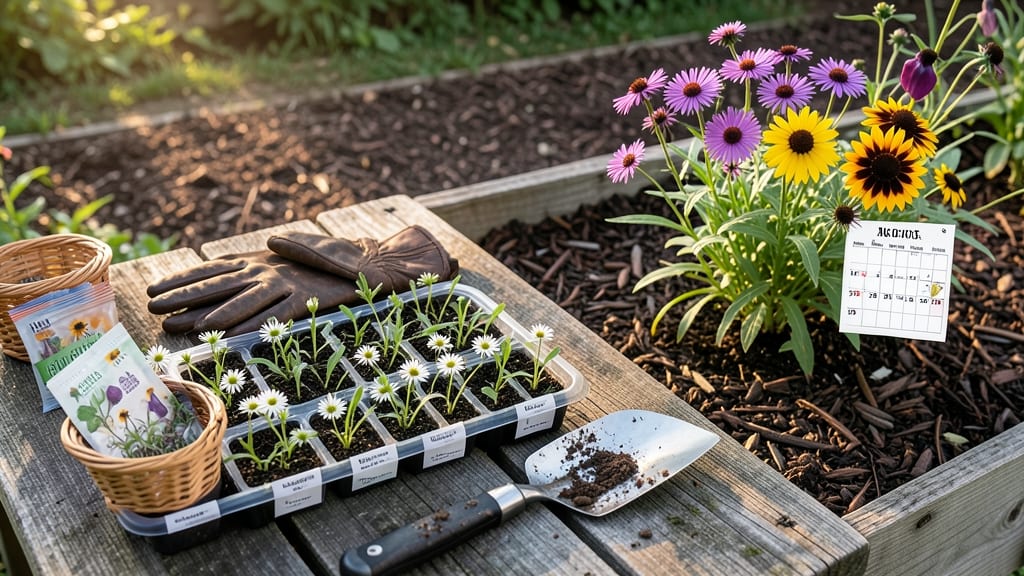
Timing when to plant flowers in New Hampshire just right means the difference between a showstopping garden and a sad, frost-nipped disappointment. With USDA zones 5a-6b and those unpredictable spring frosts, getting the window wrong can leave your 🌸 dreams wilting before they even bloom.
You’ve probably heard the general advice—plant after the last frost—but NH’s climate throws curveballs. Whether you’re a first-time gardener or a seasoned pro, knowing the exact deadlines for annuals, perennials, and bulbs is the key to vibrant blooms all season.
Let’s cut through the guesswork with a foolproof guide tailored to your zone.
From April 15 to May 15 is your prime spring planting window, but fall-bloomers can go in as late as October 15.
We’ll break down the best varieties for your area, when to mulch for extra protection, and how to spot those sneaky late frosts before they ruin your hard work.
Ready to skip the trial-and-error? By the end of this, you’ll know exactly when to plant every type of flower in NH—so you can enjoy a garden that’s as reliable as it is beautiful. Let’s get started.
New Hampshire flower planting deadlines by USDA Zone (avoid frost damage)
New Hampshire spans USDA Zones 3b through 5a, meaning frost dates vary dramatically between the White Mountains and the Seacoast. In Zone 3b (highest elevations), the last spring frost typically arrives around May 15, while Zone 5a (southern NH) sees frost-free conditions by May 1.
These differences mean your tender annuals like petunias or marigolds can go in weeks earlier in Portsmouth than in North Conway.
For perennials and bulbs, timing shifts slightly.
Most hardy perennials (e.g., coneflowers, black-eyed Susans) can handle light frosts and should be planted as soon as the soil is workable—often by late April in warmer zones. Tender perennials like dahlias or canas need to wait until after your last frost date, plus a 10-day buffer for safety.
Bulbs like tulips and daffodils are a special case. Plant them in fall (October) for spring blooms, but spring-blooming bulbs (e.g., crocuses) can go in as early as September in colder zones.
The key is getting them in 6-8 weeks before the ground freezes—usually by mid-October in most of NH.
Micro-climates matter more in NH than in warmer states. A lake-effect zone (like near Lake Winnipesaukee) may warm up 1-2 weeks earlier than inland valleys. Use your local cooperative extension office or a frost-free date map to pinpoint your exact window. For example, Manchester (Zone 5a) often sees frost-free soil by April 25, while Berlin (Zone 3b) might not until May 20.
🌱
| USDA Zone | Last Spring Frost | First Fall Frost | Safe Planting Window | Hardy Flowers |
|---|---|---|---|---|
| 3b (White Mountains) | May 15–20 | September 20–25 | May 25–June 10 (annuals) | Pansies, Bleeding Hearts, Columbines |
| 4a (North-Central NH) | May 1–10 | September 10–15 | May 10–20 (annuals) | Coneflowers, Lavender, Shasta Daisies |
| 4b (Concord, Nashua) | April 25–May 5 | September 5–10 | April 30–May 15 (annuals) | Daylilies, Peonies, Russian Sage |
| 5a (Seacoast, Portsmouth) | April 15–25 | September 1–5 | April 20–May 1 (annuals) | Marigolds, Zinnias, Petunias |
🌿 Note: Adjust dates 1-2 weeks later for high-altitude gardens (e.g., Mount Washington area).
For fall planting, aim to get cool-season annuals like pansies, snapdragons, and calendulas in the ground by September 1.
These thrive in cooler temperatures and often bloom until first frost. Perennials like aster and goldenrod can also be planted in early fall, giving roots time to establish before winter.
Pro tip: Use biodegradable plant pots for fall plantings. They protect young roots from soil temperature swings and dissolve into the earth as roots expand. This is especially useful in NH’s
How to extend your NH flower season: cold-hardy varieties and frost protection tips
New Hampshire’s late spring frosts can delay your garden by weeks, but the right cold-hardy flowers and simple protection tricks let you plant earlier. I’ve tested these strategies in my Zone 4b garden—some varieties bloom 3 weeks ahead of tender annuals while surviving 28°F nights without damage.
Start with frost-tolerant perennials like bleeding hearts and coneflowers, which handle Zone 3b temps. For annuals, pansies and snapdragons thrive in 35°F+ soil, letting you plant 2-4 weeks before traditional deadlines. My go-to early bloomers include:
🌱 Did You Know? Some flowers actually prefer cooler temps! Sweet alyssum and stock bloom more prolifically when planted in late August for fall color—skipping summer heat stress entirely.
3-Step Frost-Check Method Before Planting Tender Species
- Nighttime Temp Test: Use a minimum thermometer to track lows. Plant tender annuals only when temps stay above 50°F for 5+ nights.
- Microclimate Scan: Check frost pockets (valleys, low spots) with a frost cloth—if it freezes overnight, delay planting there by 2 weeks.
- Soil Warmth Gauge: Press your finger 2 inches deep—if soil feels below 50°F, wait. Use a soil thermometer for accuracy.
For high-risk areas, I swear by frost blankets (lightweight row covers) to protect geraniums and petunias until May 20. Remove covers by 10 AM daily to avoid overheating—my Zone 4b geraniums survived 32°F nights this way last spring.
Mulching with straw or leaves (3-4 inches thick) insulates perennial roots from fall frosts, letting you plant fall-blooming bulbs like crocuses as early as September 1. My late-summer chrysanthemums thrived when mulched with shredded bark—they bloomed 2 weeks longer than unmulched plants.
Pro tip: Group cold-hardy flowers together (e.g., pansies + violas) to create a microclimate that stays 5°F warmer than open areas. This trick adds 3-4 weeks of early-season color without extra work.