
Plants
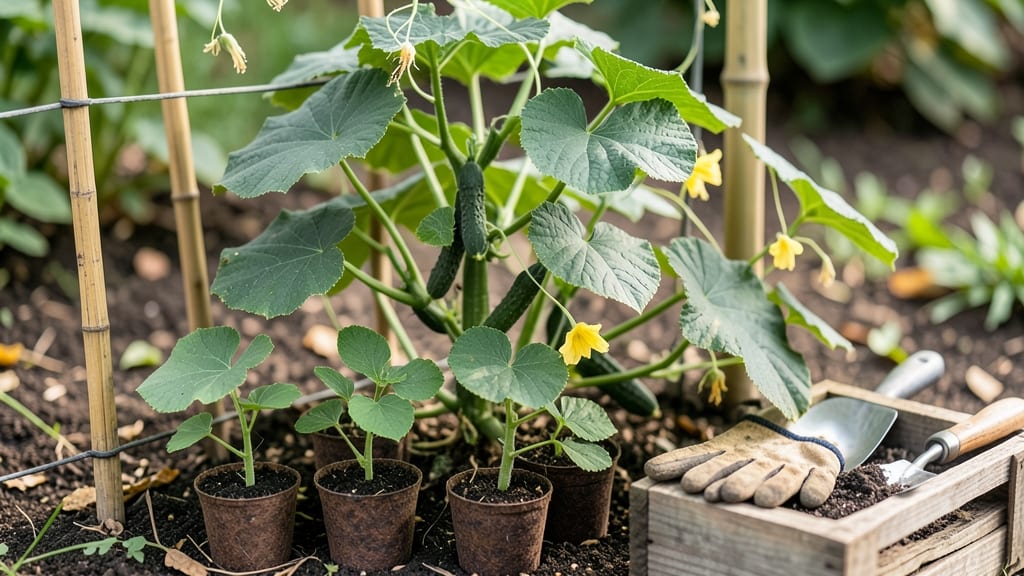
Timing your cucumber planting in South Carolina is the secret to avoiding frost damage and maximizing those crisp, homegrown 🥒 harvests. Whether you're a coastal gardener or tucked in the Upstate, getting the schedule right means the difference between a bountiful summer and wilted disappointment.
With USDA zones 7b-8a offering 210-240 frost-free days, you've got a prime window—but planting too early risks chilly soil, while waiting too long might miss peak yields.
The ideal planting window spans mid-April to early June for spring crops or late July for fall harvests, perfectly aligned with South Carolina's climate.
I'll walk you through the exact frost-free timeline tailored to your region, plus pro tips for soil prep, variety selection, and even container growing. By the end, you'll know exactly when to plant for maximum cucumber success—no guesswork, just results.
Ready to transform your garden into a cucumber powerhouse? Let's dive into the planting schedule that works for South Carolina's unique growing conditions.
South Carolina cucumber planting timeline by region: coastal vs Piedmont vs Upstate
South Carolina’s diverse climate zones mean your cucumber planting schedule depends heavily on where you live. The coastal region (USDA 8a) enjoys milder winters, while the Upstate (USDA 7b) faces earlier frosts.
Let’s break down the exact frost-free windows for each zone to ensure you plant at the optimal time for maximum yields.
For all regions, cucumbers thrive when soil temperatures reach 60°F or higher. Use a soil thermometer to confirm—cold soil slows germination and weakens seedlings. Most SC gardeners aim for mid-April to early June for spring plantings, with a late July window for fall harvests before the first frost hits.
The coastal plain (e.g., Charleston, Beaufort) has the longest growing season, with an average last frost date of March 15 and first frost around November 15. This gives you a 240-day frost-free window, perfect for two planting cycles.
In contrast, the Upstate (e.g., Greenville, Spartanburg) typically sees its last frost by April 1 and first frost by October 31, shortening the window to 210 days.
Here’s how to align your planting timeline with your region’s microclimate:
| Region | Last Frost Date | First Frost Date | Spring Planting Window | Fall Planting Window | Soil Temp Threshold |
|---|---|---|---|---|---|
| Coastal (8a) | March 15 | November 15 | April 15–May 15 | July 20–August 10 | 60°F+ |
| Piedmont (8a) | March 22 | November 1 | April 1–April 30 | July 10–July 30 | 60°F+ |
| Upstate (7b) | April 1 | October 31 | April 15–May 1 | July 1–July 15 | 60°F+ |
🌱 Pro Tip: Use black plastic mulch to warm soil faster and extend your planting window by 1–2 weeks.
For direct sowing, plant seeds ½ inch deep and 1 inch apart in hills spaced 3–4 feet apart.
If you prefer transplants, purchase hardened-off seedlings from local nurseries and set them out after the last frost, spacing them 12–24 inches apart depending on the variety. Bush cucumbers (like ‘Bush Champion’) need less space, while vining types (like ‘Straight Eight’) require more room to sprawl.
In the Piedmont region, where temperatures can fluctuate, consider using row covers for early plantings to protect seedlings from unexpected late frosts. These lightweight fabrics raise soil temperatures by 5–8°F and shield young plants from wind.
Remove covers once plants are established (about 3 weeks after sowing) to prevent overheating.
For fall plantings, aim to harvest before the first frost. In the Upstate, this means planting by July 15 to ensure cucumbers mature before October 31.
Choose heat-tolerant varieties like ‘Southern Sweet 100’ or ‘Marketmore 76’—these perform well in SC’s summer humidity and still produce into early fall.
Always check the Clemson Extension Service for localized frost alerts and adjustments. Their SC Weather and Climate reports provide real-time updates on frost risks, helping you fine-tune your planting schedule.
With the right timing, you can enjoy fresh cucumbers from June through October—or even longer with a well-planned fall crop!
🌿
How to extend your cucumber growing season in South Carolina: success tips for early/late plantings
South Carolina’s humid summers and mild winters create opportunities for extended cucumber harvests beyond the traditional spring window. With the right strategies, you can enjoy fresh cucumbers from early spring to late fall.
The key lies in microclimate protection and succession planting—two tactics that work beautifully in our state’s varied regions.
For early-season success, focus on frost protection and soil warming. Use black plastic mulch or row covers to raise soil temperatures 5–10°F faster than unprotected beds. Plant heat-tolerant varieties like ‘Southern Sweet’ or ‘Marketmore’—both thrive in SC’s 90°F+ heat and produce abundantly even when daytime temps soar.
🌱 Top 5 Strategies to Extend Your Cucumber Season
- 1. Frost Cloth Timing: Lay down frost cloth 2–3 weeks before last frost date (mid-March for Upstate, early April for Coastal). Remove when temps stay above 50°F.
- 2. Succession Planting: Sow seeds every 2–3 weeks from April to July for continuous harvests. Late July plantings yield in September–October.
- 3. Heat-Resistant Varieties: Choose ‘Southern Sweet’ (slicing) or ‘Marketmore’ (pickling)—both handle 95°F+ temps better than standard types.
- 4. Trellising for Airflow: Train vines on trellises or cages to reduce humidity around leaves, cutting powdery mildew risk by 40%.
- 5. Drip Irrigation: Use soaker hoses or drip systems to deliver water directly to roots, avoiding fungal spores splashing onto leaves.
Don’t overlook container gardening for late-season extensions. 5-gallon buckets or fabric grow bags warm up faster than in-ground soil, letting you plant 4–6 weeks earlier in spring or 2–3 weeks later in fall.
Just ensure containers have drainage holes and use lightweight potting mix to prevent root rot in SC’s humidity.
For fall harvests, aim to plant by late July in the Upstate or early August near the coast. Use row covers until September 15th to protect against early autumn chills. Varieties like ‘Straight Eight’ mature quickly (50 days) and tolerate cool nights better than most.
Pro tip: Monitor soil temps with a soil thermometer—cucumbers won’t germinate below 60°F. If spring soil stays cool, opt for transplants (purchased from local nurseries) instead of direct sowing. For fall, wait until soil cools to 70°F to prevent bolting (premature flowering).
With these adjustments, you’ll turn SC’s long growing season into a year-round cucumber feast, from spring’s first harvests to fall’s last crisp pickles. The secret? Plan ahead, protect your plants, and choose the right varieties for your microclimate. 🌱