
Plants
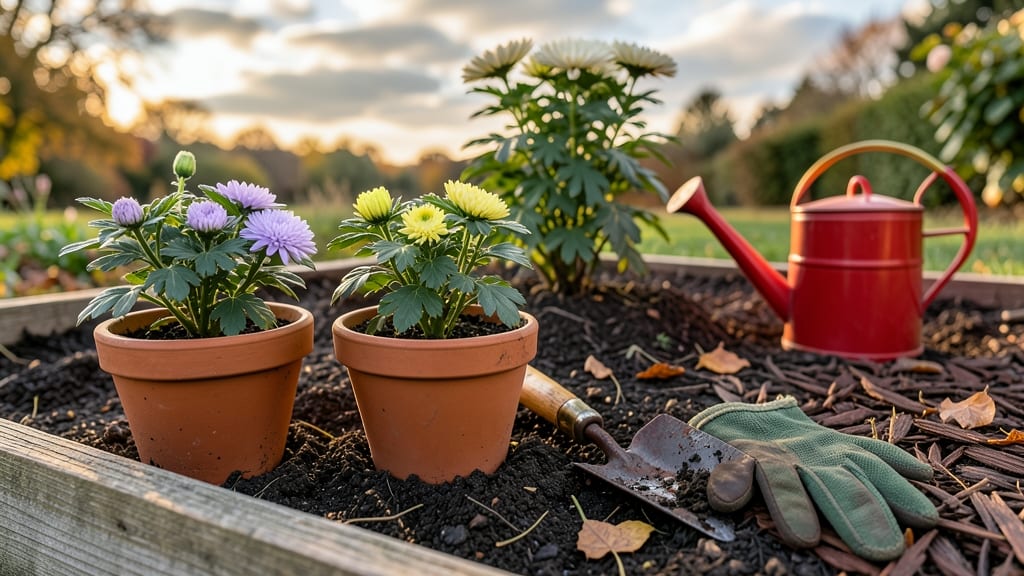
Planting chrysanthemums in the fall means the difference between stunning vibrant blooms that last all season and disappointing flowers that struggle to thrive. The key is getting your timing right—6-8 weeks before the first frost—so your 🌼 chrysanthemums establish strong roots before winter sets in.
If you're in USDA Zone 6a (like many gardeners), that means aiming for late August to early September. Plant too early, and your chrysanthemums might bolt or produce weak stems. Too late, and they won't have enough time to develop before cold weather slows growth.
Don't worry—this guide will walk you through the exact steps to prepare your garden bed, choose the right varieties, and care for your plants so they burst into color from September through October.
Whether you're a seasoned gardener or just starting, these tips will help you grow chrysanthemums that steal the show.
With the right timing and a little extra care, your fall garden can become a showstopper. Let’s get those chrysanthemums planted for the best possible blooms this season!
Optimal fall planting timeline for chrysanthemums by US hardiness zones
Planting chrysanthemums in the fall is all about timing. The golden rule? Aim for 6-8 weeks before your first frost. This window gives roots time to establish before winter dormancy.
For USDA zones 3-5, that means late August to early September. In warmer zones 6-10, you can push it to early October.
Why this timing? Chrysanthemums need cool soil temperatures (below 70°F) to thrive. Planting too early in warm soil can cause bolting—when plants flower prematurely. Too late, and roots won’t anchor before frost, leading to weak survival.
Regional adjustments matter. High-altitude areas (like Colorado Springs) may need earlier planting due to earlier frosts. Coastal regions (like San Francisco) can plant slightly later thanks to milder winters.
Here’s how to calculate your perfect planting window:
| USDA Zone | First Frost Date | Ideal Planting Window | Soil Temp Goal |
|---|---|---|---|
| 3-5 | Mid-September | Late August | Below 65°F |
| 6-7 | Early October | Late August - Early Sept | Below 70°F |
| 8-10 | Mid-November | Early October | Below 75°F |
Check your local frost dates using the National Weather Service or Old Farmer’s Almanac. Then count backward 6-8 weeks. For example, if frost hits October 15, plant between August 20 and September 5.
Pro tip: Use bare-root plants in early fall for hardier roots. Container-grown chrysanthemums can handle slightly later planting but need extra watering to adjust.
In high-altitude gardens (like Denver or Salt Lake City), plant 2 weeks earlier than your zone’s guideline. Cooler nights accelerate root growth, but frost can sneak in sooner.
For container gardening, extend your window by 1-2 weeks later. Pots warm up faster, so monitor soil temps closely. Use a soil thermometer to confirm it’s below 70°F before planting.
Remember: Daylength matters. Chrysanthemums need 12-14 hours of daylight to flower. Planting too late may delay blooms until after frost. Aim for September blooms by hitting that 6-8 week window.
Once planted, mulch with 2-3 inches of straw to insulate roots. This helps maintain consistent soil temps and retains moisture during fall’s cool nights.
Optimal fall planting timeline for chrysanthemums by US hardiness zones
Planting chrysanthemums 6-8 weeks before your first frost date gives them enough time to establish roots and produce vibrant blooms before winter. This window ensures your 🌼 chrysanthemums thrive from September through frost, but exact timing varies by USDA hardiness zone.
In Zone 3-4, aim for mid-August, while Zone 9-10 gardeners can plant until early October.
For example, if your average first frost is October 15th, plant between August 25th and September 25th. High-altitude areas may need to adjust earlier due to colder microclimates. Always check your local frost date to avoid planting too late, which weakens winter survival.
Here’s a quick comparison of ideal planting windows by zone:
| USDA Zone | First Frost Date | Planting Window | Key Notes |
|---|---|---|---|
| 3-4 | Mid-September | Late July to early August | Early frost risk; use mulch. |
| 5-6 | Late October | Mid-August to early September | Classic fall planting zone. |
| 7-8 | Mid-November | Late August to early October | Longer growing season; plant later. |
| 9-10 | Early December | Early September to early October | Mild winters; extend planting. |
Soil temperature is another critical factor. Chrysanthemums thrive when soil is between 60°F and 70°F. Use a soil thermometer to confirm—cooling soils too early can stunt growth. In northern climates, plant when daytime temps hover around 70°F to avoid stress.
Pro tip: If your area has unpredictable frosts, opt for earlier planting (closer to 8 weeks out) to ensure blooms appear before winter sets in. For high-altitude gardens, add 1-2 weeks to your planting window to account for cooler temps.
Once planted, focus on consistent moisture and well-draining soil to prevent root rot. Mulch with 2-3 inches of straw to insulate roots and retain moisture through fall’s cooler nights. 🌱