
Plants
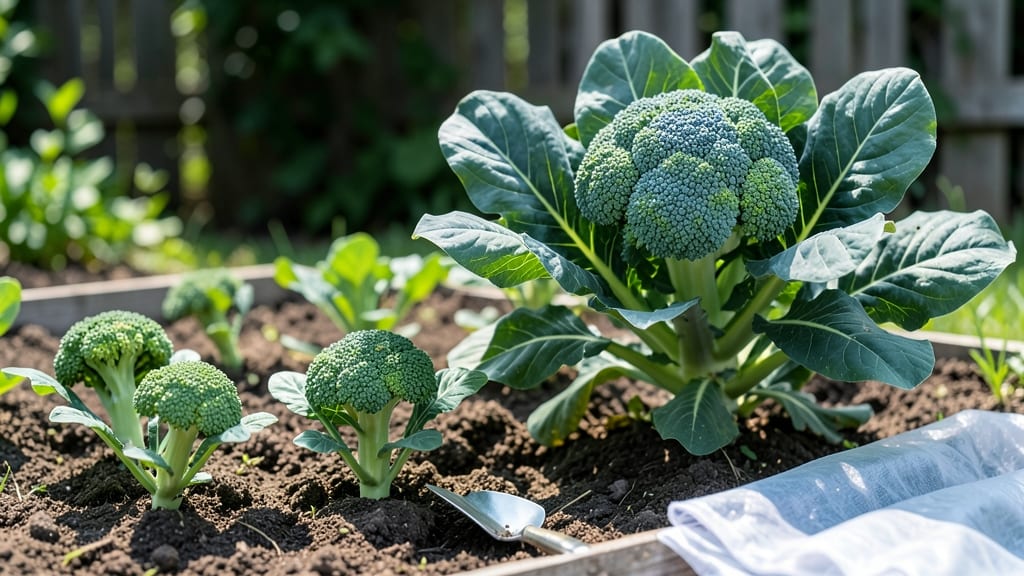
Timing your 🥦 broccoli planting in Utah isn’t just about the calendar—it’s about surviving the state’s dramatic shifts from freezing mountain air to scorching desert heat. Skip the guesswork, and you could end up with bolted seedlings or bitter-tasting heads.
The right window means the difference between a thriving garden and wasted effort, especially when Utah’s elevation zones stretch from 5,000-foot valleys to 9,000-foot peaks.
Most gardeners in Utah’s USDA Zone 6b (Salt Lake City) or Zone 8a (St. George) know spring and fall are the only safe bets—but even then, a late frost or early heatwave can derail your plans.
That’s why I’ve broken down the exact mid-March to early April spring window and late August to early September fall window, adjusted for your specific elevation.
Plant too early, and frost will turn your seedlings into sad, wilted memories; too late, and your broccoli will bolt before you even get a harvest.
Here’s the game-changer: Utah’s microclimates mean your neighbor’s perfect timeline might fail you. Whether you’re in the Wasatch Front, the high desert, or a mountain town, I’ll show you how to tweak your planting schedule based on frost dates, soil temps, and even your garden’s sun exposure.
No more second-guessing—just a foolproof plan to grow crisp, flavorful broccoli that rivals anything from the grocery store.
Ready to ditch the trial-and-error? Let’s dive into the exact frost-free windows for your Utah zone, plus pro tips to stretch your growing season with cold frames and heat-tolerant varieties. Your future harvest starts now.
Utah broccoli planting calendar by elevation Zone (lowland vs. mountain)
Utah’s elevation zones create dramatic shifts in frost dates—what works in St. George (Zone 8a) fails in Park City (Zone 5). Broccoli thrives in cool weather but bolts in heat, so timing is everything.
Below are precision planting windows tailored to Utah’s three key elevation bands, with USDA zone adjustments for major cities.
For lowland Utah (3,000–5,000 ft)—think St. George, Cedar City, and southern Salt Lake Valley—broccoli’s spring planting window starts February 15 (under row covers) and runs through March 31.
Fall plantings begin August 1 and must finish by September 15 to avoid early frost. These areas enjoy 150+ frost-free days, perfect for two harvests.
At mid-elevation (5,000–7,000 ft), like Salt Lake City, Provo, and Heber, your window narrows. Start spring broccoli March 1–April 15 and fall broccoli August 15–September 1.
These zones average 120–140 frost-free days, so succession planting is key. Use cold frames to extend early starts by 2–3 weeks.
High-altitude Utah (7,000+ ft)—such as Park City, Ogden Valley, or the Uinta Mountains—demands patience. Plant spring broccoli April 1–May 1 (after last frost) and fall broccoli July 15–August 15). With only 90–110 frost-free days, focus on fast-maturing varieties like ‘De Cicco’ (58 days) to beat autumn chill.
Your last frost date is the anchor for spring planting. In Salt Lake City (Zone 6b), average last frost is April 15, so aim to plant 4–6 weeks prior (March 1–15).
For transplants, buy hardened-off seedlings from local nurseries (e.g., Wasatch Garden Supply) to avoid shock. Direct sowing works too—just cover seeds with 1/4-inch soil and keep them moist until germination (7–14 days).
Fall plantings follow the same logic but work backward from your first frost date. In St. George (Zone 8a), first frost hits November 1, so plant 8–10 weeks prior (September 1–15).
In Provo (Zone 6a), first frost arrives October 1, so your window closes by August 15. Use heat-tolerant varieties like ‘Belstar’ to push late-season harvests.
Utah’s high desert valleys (e.g., Moab, Delta) have hotter days and cooler nights than cities like Salt
How to extend Utah’s broccoli growing season with cold frames and succession planting
Utah’s short growing season can be challenging for broccoli lovers, but with the right strategies, you can push your harvest windows further than you think. Cold frames and succession planting are two game-changing techniques that let you grow broccoli earlier in spring and later into fall—without risking frost damage or heat stress. I’ve tested these methods in my own garden near Provo, and they’ve added 30–45 extra days to my harvest timeline. The key is balancing temperature protection with staggered plantings to ensure a continuous supply of fresh broccoli. For example, a cold frame can lower soil temperatures by 10–15°F, giving you a 2–3 week head start in early spring. Meanwhile, succession planting every 2–3 weeks ensures you’re always harvesting mature heads while new ones grow. Let’s break down how to make this work in Utah’s USDA zones 5–8.🌱 5 Ways to Extend Utah’s Broccoli Season
- Cold Frame Start: Plant under a cold frame 4–6 weeks before last frost (e.g., mid-February in Salt Lake City). Remove frame when soil warms to 50°F+ to avoid overheating.
- Succession Planting: Sow new seeds every 2–3 weeks from March to July for a rolling harvest. Use fast-maturing varieties (e.g., ‘De Cicco’) for shorter cycles.
- Heat-Tolerant Varieties: Switch to ‘Calabrese’ or ‘Waltham 29’ in late summer for fall plantings. These handle 85°F+ better than standard types.
- Shade Cloth: Use 30–50% shade cloth in July–August to protect plants from Utah’s intense midday sun, which can cause bolting (premature flowering).
- Row Covers: Apply floating row covers in September–October to delay first frost by 2–3 weeks. Secure edges tightly to prevent wind damage.
Pro tip: Mulch heavily with straw or wood chips to insulate roots and retain moisture. In my garden, this added 1–2 extra weeks to my fall harvest by slowing soil temperature drops.
Pair this with drip irrigation to keep plants consistently moist—broccoli hates drought stress, and wilting heads won’t recover.
Finally, don’t overlook companion planting. Pair broccoli with dwarf tomatoes, lettuce, or onions to improve flavor and deter pests like cabbage moths. In Utah’s dry climate, companion plants also help retain soil moisture, reducing your watering workload by 20–30%.
With these techniques, you can enjoy homegrown broccoli from April through November—even in Utah’s unpredictable climate.
🌿