
Plants
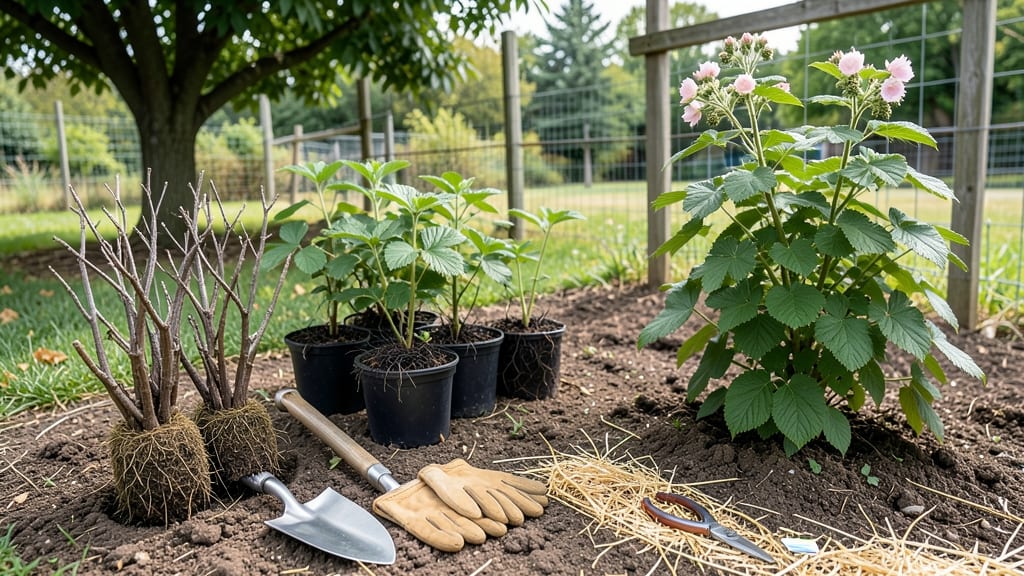
Timing your blackberry planting in Ohio can make the difference between a bountiful harvest of juicy 🫐 berries and struggling canes that barely survive. With USDA Zone 6a weather that swings between late frosts and scorching summers, getting the window right is everything.
Most Ohio gardeners swear by planting in early spring or fall, but the best choice depends on your variety and local microclimate. Whether you're working with thornless types or traditional canes, understanding soil temperatures and frost dates is key to giving your blackberries the strong start they need.
I'll walk you through the exact planting windows that work best in Ohio, including soil prep tips to ensure your canes take root before winter sets in. No more guessing whether your blackberries will thrive or wither—just practical advice tailored to Ohio's unique growing conditions.
From preparing your soil in September to transplanting in April, you'll learn how to set up your blackberries for success. Let's get those canes in the ground at the perfect moment so you can enjoy that first taste of homegrown fruit by mid-summer.
Optimal planting windows for Ohio blackberries by variety type
Ohio’s USDA Zones 5-6 create unique challenges for blackberry planting—late frosts in spring and early cold snaps in fall demand precise timing. The best window depends on whether you’re planting thornless varieties (like 'Natchez' or 'Cheyenne') or traditional types (like 'Triple Crown').
Both thrive when planted in early spring or fall dormancy, but the rules differ slightly for each.
For spring planting, aim for late March to early April when soil temperatures reach 50°F and frost risk drops below 10%. This gives canes 6-8 weeks to establish roots before summer heat arrives.
Fall planting, however, offers a quieter alternative—plant bare-root canes in late September to early October, allowing roots to settle before winter dormancy. Ohio’s first frost date (around October 15) sets the deadline.
Here’s the key difference: Thornless varieties are more forgiving with timing, while traditional types need cooler soil (40-50°F) to avoid stress. Southern Ohio’s warmer microclimates may extend your window by 2-3 weeks compared to northern regions like Toledo.
🌱
| Variety Type | Best Planting Window | Soil Temp Threshold | Ohio-Specific Notes |
|---|---|---|---|
| Thornless (e.g., Natchez) | Late March–Early April (spring) OR Late Sept–Early Oct (fall) | 50°F+ | Faster root growth; tolerates slight delays |
| Traditional (e.g., Triple Crown) | Early April (spring) OR Mid-Sept (fall) | 40-50°F | Needs cooler soil; avoid heat stress |
| Everbearing (e.g., Arapaho) | Late March (spring only) | 50°F+ | Spring planting critical for fall fruit |
Fall planting is my top recommendation for Ohio gardeners because it reduces transplant shock. Canes establish roots before winter, then burst into growth in spring. Just ensure you plant 6 weeks before frost—this gives roots time to harden off.
For spring planting, avoid early March dates unless you’re using row covers to protect against late frosts.
Pro tip: Test your soil’s moisture retention before planting. Ohio’s clay-heavy soils can suffocate roots if not amended with compost or sand. Aim for a pH of 5.5-6.5—blackberries hate alkaline soil. If your soil tests higher, add sulfur or peat moss 4-6 weeks before planting.
One common mistake? Planting too early in spring when soil is still cold. Canes may sprout but lack energy for root growth, leading to weak plants. Conversely, fall planting after October 1 risks frost damage before roots establish.
Use a soil thermometer to confirm temperatures—this tool is a game-changer for Ohio’s variable climate.
🌿
For container growing (popular in urban Ohio), stick to dwarf varieties like 'Chester' and plant in late April to early May. Containers warm up faster, so you can push the window slightly later.
Just ensure pots have drainage holes and use a well-draining mix to prevent root rot—a common issue in Ohio’s humid summers.
Finally, consider your blackberry’s growth habit. Floricane types (like Triple Crown) produce fruit on second-year canes, so fall planting gives them a head start. Primocane types (like Arapaho) fruit on first-year growth, making spring planting non-negotiable. Know your variety’s quirks to avoid disappointment.
☀️
Step-by-step Ohio planting calendar: when to prepare soil and transplant
Ohio’s blackberry planting success hinges on precise timing—whether you’re establishing new canes in early spring or taking advantage of fall dormancy planting. Below is your month-by-month guide to prepare soil, protect roots, and transplant without shock, tailored to Ohio’s USDA Zones 5-6 climate.
Start by testing your soil pH (5.5-6.5) and amending with compost or aged manure 4-6 weeks before planting. Ohio’s heavy clay soils benefit from sand or peat moss to improve drainage, while sandy soils need organic matter to retain moisture.
Aim for soil temperatures above 50°F—use a soil thermometer to check.
Here’s your actionable timeline, broken into spring vs. fall strategies:
Soil prep: Till in compost and balanced fertilizer (10-10-10). Plant bare-root canes as soon as soil warms to 50°F (typically late March in southern Ohio, early April in northern regions).
Transplant potted canes if started indoors. Space thornless varieties 4-5 ft apart; traditional types need 6-8 ft. Install trellis supports immediately to guide canes upward.
Best time for bare-root planting—canes establish roots before winter. Plant 6-8 weeks before first frost (aim for early September in northern Ohio, late September in southern regions). Mulch heavily with straw or wood chips.
Water deeply if rainfall is less than 1 inch/week. Prune damaged canes but leave healthy growth for spring. Add winter mulch (12 inches deep) to insulate roots.
No planting—focus on root protection. Remove mulch in late winter to prevent rot. Monitor for voles or rodents gnawing on canes.
Ohio’s microclimates matter—southern regions (like Cincinnati) can plant 2-3 weeks earlier than northern areas (like Cleveland). Use row covers if transplanting in late April to protect from unexpected frosts (28°F or below can kill new growth).
Pro tip: Mark your planting dates on a garden calendar to track root establishment. Fall-planted canes often outperform spring-planted ones in Ohio because they avoid late-spring frosts that stress young roots. For thornless varieties, prioritize fall planting—they’re more sensitive to cane damage.