
Plants
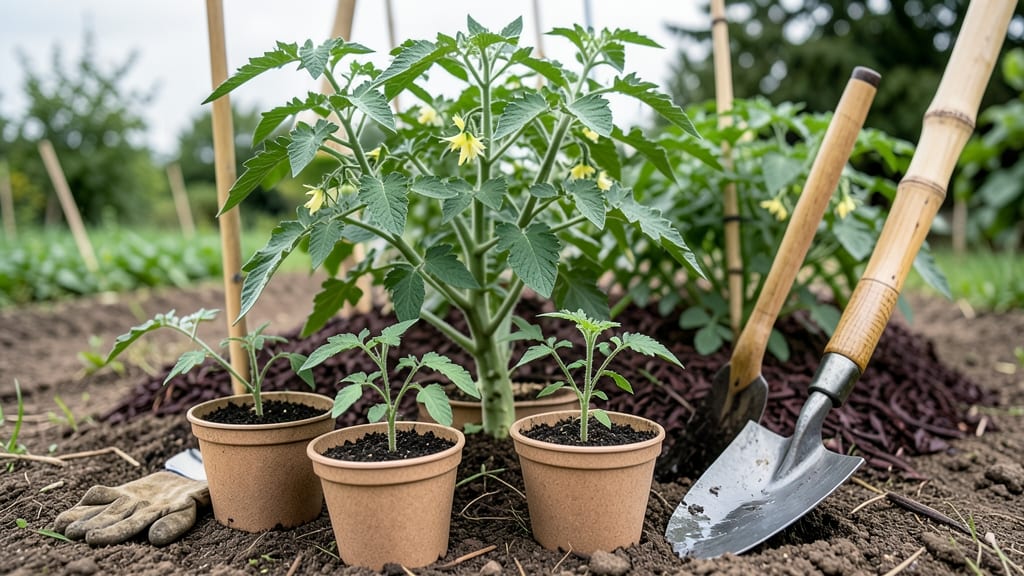
If you're dreaming of juicy, homegrown 🍅 tomatoes this summer, timing is everything—and in Massachusetts, getting it wrong can mean lost plants or missed harvests.
The perfect planting window starts after your last frost, but with zones ranging from 5b to 7a, that date can vary by weeks across the state.
Whether you're starting seeds indoors or transplanting seedlings, knowing when to put tomatoes in the ground is the key to a bountiful harvest. I'll break down the exact dates for your zone, plus how to adjust for coastal breezes or high-altitude chill.
No more guessing—just science-backed advice to help your plants thrive from April through June.
You'll also discover how to protect your tomatoes from late frosts, which varieties grow best in your area, and when to fertilize for maximum yield. Let's make sure your garden is ready to turn July into October into a tomato lover's paradise.
Ready to plan your planting? The first step is knowing your zone—and I'll show you exactly how to use that information to get your tomatoes in the ground at the perfect time.
Massachusetts last-frost dates by Zone: when to plant tomatoes for maximum yield
Massachusetts spans USDA zones 5a to 7a, meaning frost dates vary dramatically from the coastal regions (warmer) to the higher elevations (colder). The average last spring frost ranges from April 15 in southern zones to May 15 in northern areas.
To avoid frost damage, use a last-frost-date calculator (like the National Weather Service or Old Farmer’s Almanac) to pinpoint your exact window.
Tomatoes thrive when soil temperatures hit at least 60°F. In Zone 6b (e.g., Boston), this typically aligns with late April to early May. Meanwhile, Zone 5a (e.g., North Adams) may need to wait until mid-to-late May.
Always confirm with a soil thermometer—cold soil stunts growth, even if air temps are warm.
Here’s how to calculate your planting window:
- Find your last frost date (use a 10-year average for safety).
- Subtract 14 days (tomatoes need time to establish roots before heat waves).
- Add 70–90 days (harvest time for your chosen variety).
This gives your ideal transplant window.
For example, if your last frost is May 1 and you’re growing ‘Early Girl’ (70-day variety), plant seedlings by April 15. But if you’re in Zone 5a with a May 15 frost date, wait until May 1 for the same variety.
Pro tip: Succession planting works well in MA. Start early varieties (60–70 days) in April, then add mid-season (75–85 days) in May, and even late varieties (90+ days) in early June for a continuous harvest.
🌱
🌡️ Soil temperature is just as critical as air temperature. Use a soil thermometer to confirm 60°F+ before planting. In cooler zones, black plastic mulch can raise soil temps by 5–10°F, accelerating growth.
For high-altitude areas (e.g., Berkshires), consider starting seeds indoors 6–8 weeks early to extend your season.
Late frosts are a Massachusetts reality. Even after your average last frost, May frosts can still occur. Protect seedlings with frost cloth or a mini greenhouse until nighttime temps stay above 50°F.
Coastal areas (like Provincetown) have milder winters but can experience unpredictable spring winds, so monitor forecasts closely.
For container gardening, plant 1–2 weeks later than in-ground tomatoes. Pots cool faster and are more vulnerable to frost. If you’re in Zone 5a, wait until May 20 to transplant container-grown tomatoes, even if your in-ground plants went in earlier.
📅 Mark your calendar for these key dates:
- April 15: Start seeds indoors for Zone 6b/7a.
- May 1: Transplant seedlings in Zone 6b.
- May 15: Last call for Zone 5a (use cold-hardy varieties).
- June 1: Succession plant late varieties for a fall harvest.
Best tomato varieties for Massachusetts: fast-maturing vs. heat-tolerant choices
Choosing the right tomato varieties for Massachusetts means balancing fast maturity with heat tolerance. The state’s short growing season demands early producers, while summer heat can stress plants if they’re not adapted. I’ve tested dozens of varieties, and these stand out for their reliability in USDA zones 5b-7a.
For early starts, prioritize varieties that mature in 60-70 days. These give you a head start before summer heat peaks. If you’re in a warmer coastal zone (like Cape Cod), heat-tolerant types will thrive longer into August. Let’s break down the best options for your garden.
| Variety | Days to Maturity | Best For | Notes |
|---|---|---|---|
| Stupice | 55-60 days | Early starts, cold tolerance | Resists cracking; great for late-May plantings. |
| Early Girl | 58-65 days | Fast harvest, container growing | Compact; ideal for small spaces or pots. |
| Celebrity | 65-70 days | Heat tolerance, disease resistance | Thrives in hot summers; drought-resistant. |
| Solar Fire | 70-75 days | Late-season heat lovers | Produces into September; great for coastal areas. |
| Mountain Merit | 70-75 days | Cold-hardy, late blight resistant | Tolerates cool nights; ideal for higher elevations. |
If you’re planting in early May, go for Stupice or Early Girl—they’ll reward you with tomatoes by late June. For a longer harvest, mix in Celebrity or Solar Fire for late-summer bounty. My Mountain Merit plants in Zone 5b consistently outperform others in cool summers.
Pro tip: Pair determinate varieties (like Early Girl) with indeterminate types (like Solar Fire) for a staggered harvest. Determinates produce all at once, while indeterminates keep giving until frost. This strategy maximizes your tomato yield in Massachusetts’ unpredictable climate.
For container gardens, stick to bush varieties like Tiny Tim (55 days) or Patio Princess (60 days). These thrive in 5-gallon pots and don’t need staking. Just ensure your container has drainage holes and use a lightweight potting mix.
Remember: Soil temperature matters as much as air temperature. Use a soil thermometer to confirm it’s above 60°F before planting. If your soil is still chilly, opt for black plastic mulch to warm it faster—this can shave 1-2 weeks off your growing season.