
Companion Plants
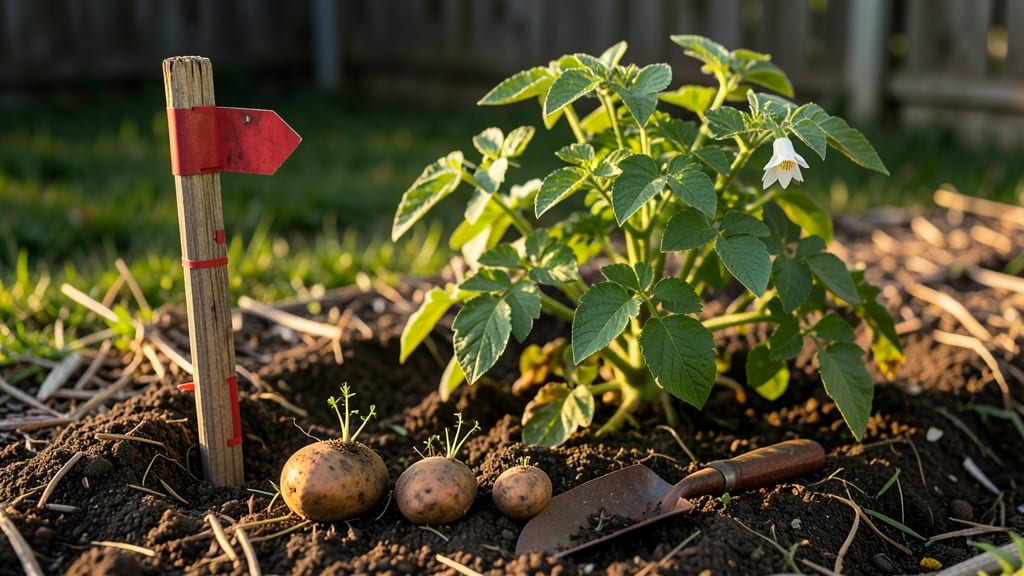
Knowing when to plant potatoes in Zone 7b can make or break your harvest—get it wrong, and you might end up with frost-bitten sprouts or stunted tubers. The key is timing: planting too early risks cold soil, while waiting too long cuts your growing season short.
In Zone 7b, your best window opens in late winter (January-February), when soil temperatures hit 45°F—about 2-4 weeks before your last frost date (March 15). But here’s the catch: early varieties like Yukon Gold thrive with this timing, while late-season potatoes need a staggered approach.
I’ll break down exactly how to read your soil’s readiness, adjust for frost risks, and even use mulch or companion plants to give your 🥔 potatoes the perfect head start. Skip the guesswork and let’s get those tubers growing strong.
You’ll also discover how to spot the ideal planting moment—because in Zone 7b, a few weeks can mean the difference between a handful of potatoes and a bucketful. Ready to dig in?
Optimal soil temperature & frost-free timeline for planting potatoes in Zone 7b
In Zone 7b, your potato planting window is short but sweet—typically between mid-February and early April, depending on your exact last frost date. The key is waiting for soil temperatures to hit at least 45°F (7°C), which usually occurs 2-4 weeks before your last frost date.
Planting too early risks frost damage, while waiting too long can lead to stunted growth before harvest.
For most of Zone 7b, the average last frost date falls around March 15, but microclimates can shift this by 1-2 weeks. Use a soil thermometer to confirm readiness—potatoes won’t sprout reliably in cold soil.
If your soil stays below 45°F (7°C) past early April, consider container growing or row covers to warm the soil faster.
Here’s the golden rule: Plant seed potatoes 2-4 weeks before your last frost date, but never when soil temps dip below 45°F (7°C). For example, if your last frost is March 20, aim for late February to mid-March.
This timing ensures tubers have 90-120 days to mature before summer heat slows growth.
| Zone 7b Potato Planting Timeline | Key Details |
|---|---|
| Soil Temperature Threshold | 45–50°F (7–10°C) |
| Ideal Planting Window | Late Feb–Early April |
| Last Frost Date (Avg.) | March 15 (±7 days) |
| Days to Maturity (Early Varieties) | 60–90 days |
| Days to Maturity (Late Varieties) | 90–120 days |
| Harvest Window | Late May–Early July |
🌱 Pro Tip: Use a soil thermometer to avoid guessing—cold soil delays sprouting!
If you’re growing early-maturing varieties (like Yukon Gold or Red Norland), you can push planting to early April—these varieties tolerate cooler soil and mature in 60–90 days.
For late-season potatoes (e.g., Russet Burbank), stick to February–March planting to ensure a full harvest before summer heat sets in.
Another smart strategy? Stagger your planting. Plant a first batch in late February (for early harvests) and a second batch in early April (for late-season storage potatoes). This extends your harvest window and reduces risk if one batch fails due to weather.
Watch for false springs—those warm spells in February or March that trick you into planting early. If nighttime temps dip below 32°F (0°C), your young potato plants can suffer frost damage. Use row covers or black plastic mulch to protect seedlings if late frosts threaten.
For container growing, plant 4–6 weeks after your last frost date (when soil is consistently 50°F+) to avoid overheating in pots. Containers warm up faster than garden soil, so monitor temps closely. Aim for 5-gallon buckets per plant to prevent root binding.
Remember: Potatoes thrive in cool weather but struggle in heat above 85°F (29°C). In Zone 7b, summer temps often exceed this, so plan to harvest early varieties by June to avoid bitter tubers or reduced yields. Late-season varieties can handle slightly warmer soil but still need consistent moisture.
Finally, keep an eye on your local almanac or USDA frost maps—microclimates (like urban heat islands or hilltops) can shift frost dates by 1–2 weeks. Adjust your planting timeline accordingly to maximize your potato harvest success in Zone 7b!
Optimal soil temperature & frost-free timeline for planting potatoes in Zone 7b
In Zone 7b, potatoes thrive when planted at the right time—typically 2-4 weeks before your last expected frost date. For most of Zone 7b, this means mid-February to early March, but timing depends on your specific microclimate.
The key is waiting until soil temperatures hit at least 45°F (7°C), which signals that frost won’t damage young sprouts.
Cold soil delays germination, so avoid planting too early. If you’re unsure about frost dates, check your local USDA Plant Hardiness Zone Map or use a soil thermometer to confirm readiness.
In Zone 7b, the average last frost date is around March 15, but this can vary by 5-10 days depending on elevation and local weather patterns.
For a continuous harvest, many gardeners in Zone 7b plant potatoes in two batches: one in early spring (February) and another in late spring (April). Early varieties like Yukon Gold mature in 60-90 days, while late varieties like Russet take 100-120 days.
This strategy ensures you have potatoes ready from late May through July.
| Stage | Action | Zone 7b Timeline |
|---|---|---|
| Soil Prep | Test soil pH (aim for 5.0-6.5) | January-February |
| Planting Window | Plant seed potatoes 2-4 weeks before last frost | Mid-February to early March |
| Germination | Sprouts emerge when soil hits 45°F (7°C) | 2-3 weeks after planting |
| Hilling | Add soil around stems every 2-3 weeks | April-May |
| Harvest Ready | Flowers bloom, foliage yellows | Late May-July (varies by variety) |
If you’re planting late-season varieties, you can even try a fall planting in Zone 7b—just get seed potatoes in the ground by late August so they have time to sprout before the first frost (around November 15).
These potatoes will mature in spring, giving you an early harvest. However, this method requires careful monitoring of frost dates and soil conditions.
Pro tip: Use black plastic mulch or straw mulch to warm the soil faster in early spring. This can push your planting window 1-2 weeks earlier, giving you a head start on the growing season. Just remove the mulch once potatoes sprout to avoid overheating the soil.
Remember, potatoes hate wet, cold soil, so if your spring is unusually rainy, delay planting until the ground dries out. A soil thermometer is your best friend here—wait until those temperatures stay consistently above 50°F (10°C) for reliable germination.