
How To
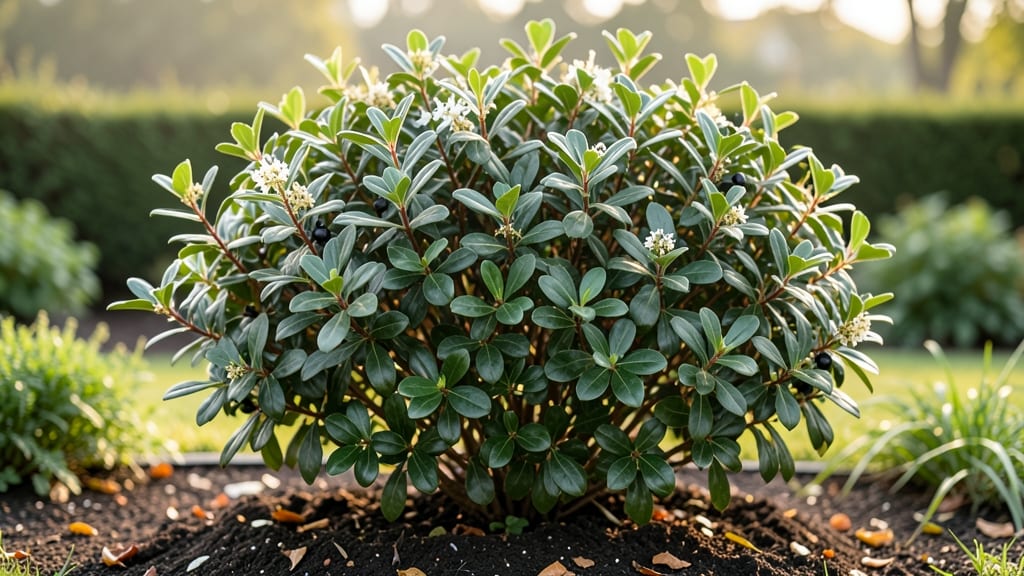
Natural height range of wax leaf privet: what to expect without pruning
If you're wondering how tall does wax leaf privet grow in its natural state, the answer depends on growing conditions—but expect a mature height between 10 and 15 feet when left unpruned.
This evergreen shrub typically reaches 8 to 12 feet wide, making it an excellent choice for privacy screens or tall hedges. In ideal conditions with plenty of sunlight and rich soil, it can even exceed 15 feet in height.
The growth rate of wax leaf privet is moderate, with most plants adding 12 to 24 inches per year during their first few years. By year three, you’ll start seeing significant vertical growth, especially if the shrub isn’t pruned regularly.
Without intervention, it can quickly outgrow small yards or narrow spaces, which is why many gardeners opt for regular pruning to manage its size.
Regional climate plays a huge role in determining how tall wax leaf privet grows. In warmer, southern climates like USDA zones 7-9, this shrub thrives and can grow taller due to longer growing seasons.
Meanwhile, in cooler northern zones (6-7), growth may be slightly slower, with mature heights hovering around 8 to 12 feet. Urban environments with limited space or poor soil quality can also stunt its growth, keeping it closer to 6 to 8 feet if not properly cared for.
Sunlight exposure is another critical factor. Wax leaf privet prefers full sun to partial shade, with at least 6 hours of direct sunlight daily for optimal growth. When planted in shadier conditions, its growth rate slows, and it may stay shorter—around 6 to 10 feet.
This makes it a versatile choice for gardens with varying light conditions, but if you want a taller, denser shrub, full sun is the way to go.
Soil quality and moisture levels also influence height. Well-draining, fertile soil with a slightly acidic to neutral pH (6.0-7.0) encourages faster and taller growth. In poor or compacted soil, roots struggle to establish, leading to slower vertical expansion.
Mulching around the base with organic matter like compost or pine straw can improve soil health and support taller growth over time.
For those planning a privacy screen, wax leaf privet’s natural height makes it an excellent choice. When planted in a row with 3 to 4 feet of spacing between shrubs, it can create an impenetrable barrier within 3 to 5 years.
However, if you’re working with a smaller space, you’ll need to prune aggressively to keep it under 6 feet—something we’ll cover in the next section.
🌿 Wax Leaf Privet Growth Summary
| Factor | Impact on Height | Notes |
|---|---|---|
| Natural Growth | 10–15 ft tall | Unpruned, full sun |
| First Year | 2–3 ft | Slow initial growth |
| Year 3+ | 12–24 in/year | Rapid vertical growth |
| Sunlight | Full sun: 10–15 ft | Partial shade: 6–10 ft |
| Climate | Warmer zones: 12–15 ft | Cooler zones: 8–12 ft |
| Soil Quality | Rich soil: Faster growth | Poor soil: Stunted growth |
Understanding these growth patterns helps you plan accordingly. If you’re aiming for a tall, lush privacy hedge, embrace its natural height and focus on annual pruning to maintain shape.
For smaller spaces, you’ll need to prune regularly—ideally every 6 to 12 months—to keep it under control. The key is balancing its natural tendencies with your garden’s needs.
Next, we’ll dive into pruning techniques that can transform wax leaf privet from a towering giant into a compact, manageable shrub—or let it reach its full height with intentional care. Whether you’re trimming for aesthetics or function, these methods will help you shape it to perfection.
Pruning techniques to control wax leaf privet height: step-by-step guide
If you're aiming for a compact wax leaf privet (3-5 ft tall) or a towering privacy screen (10+ ft), pruning is your best tool. The key lies in timing, technique, and consistency. I’ve pruned mine for years, and these methods work reliably—whether you’re a beginner or a seasoned gardener.
For height control, prune in late winter or early spring before new growth begins. This encourages bushier, denser growth while keeping the plant from shooting up uncontrollably. If you prune in summer, you’ll likely see vertical growth spikes as the plant compensates for lost foliage.
Shear Pruning vs. Selective Pruning
- Best for: Hedges, uniform height
- When: Late winter/early spring
- How: Trim outer branches evenly
- Pros: Neat appearance, dense foliage
- Cons: Can weaken plant if overdone
- Best for: Shaping, encouraging height
- When: Late winter or summer (carefully)
- How: Trim specific branches
- Pros: Natural shape, targeted growth
- Cons: Requires more skill
Use sharp, clean pruners to avoid tearing branches. Always cut just above a leaf node or bud at a 45-degree angle. This promotes healthier regrowth and prevents disease. For taller privet varieties, prune the topmost branches first to encourage upward growth.
If your privet is already too tall, don’t panic—you can still reshape it gradually. Start by trimming 1/3 of the height in stages over 2-3 years.
This prevents shock and gives the plant time to recover. I once had a 12-foot privet that needed taming, and this method worked perfectly.
For compact growth, focus on pruning the top and sides to encourage bushiness. Avoid cutting into old wood, as privet struggles to regrow from it. Instead, target new growth to keep the plant full and manageable. Mulch around the base after pruning to retain moisture and reduce stress.
Remember, consistency is key. Prune at the same time each year, and your wax leaf privet will stay exactly the size you want—whether that’s a neat hedge or a privacy powerhouse. With the right approach, you’ll have full control over its height without sacrificing beauty. ✂️