
How To
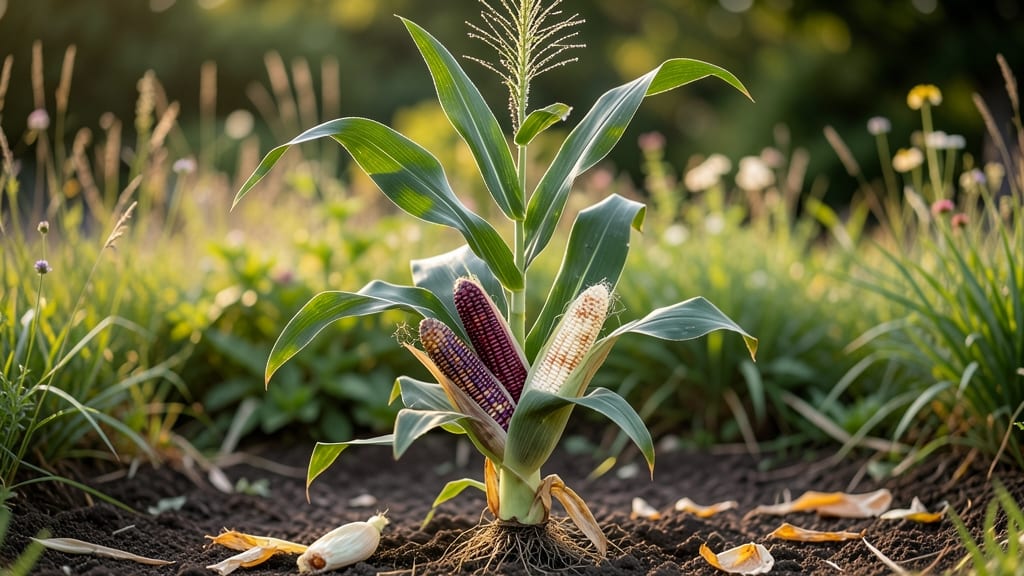
If you’ve ever planted Indian Corn 🌽 and wondered how tall this corn does grow, you’re not alone. The mature height of Indian corn can vary dramatically—from 6 feet to over 12 feet—depending on the variety and growing conditions.
Understanding this growth range is key to planning your garden layout and ensuring your corn has the space it needs to thrive.
For most gardeners in USDA Zone 6a, Indian corn planted in April-May typically reaches its full height by late summer. But here's the catch: some varieties like 'Black Aztec' can shoot up to 10 feet or more, while others stay shorter.
The difference often comes down to genetics, sunlight, and soil quality—factors you can actually control to encourage healthier growth.
In this guide, I'll break down exactly what to expect month by month, from those first tender sprouts to the harvest-ready stalks. You'll learn how to support tall varieties, avoid common mistakes that stunt growth, and even compare your corn's height to everyday objects for perspective.
Let's get your garden growing tall and strong!
Whether you're a first-time gardener or a seasoned pro, knowing how tall Indian corn grows will help you make smarter planting decisions. With the right care, you could end up with corn stalks that reach higher than your fence—or even your roof!
Let's dive into the details so you can plan for success from seed to harvest.


Indian corn height by month: a seasonal growth tracker
Watching your Indian corn grow from a tiny seedling to a towering 10-foot stalk is one of gardening's most rewarding experiences. But how much can you expect each month? The growth rate varies by variety—like the Black Aztec or Rainbow—and environmental conditions.
Understanding this seasonal progression helps you plan spacing, support structures, and even harvest timing for the most dramatic display.
Most Indian corn varieties reach their full height by late summer, but the journey starts slowly. In April and May, seedlings emerge just 1-2 inches tall after germination. By June, they’ll shoot up rapidly, reaching 3-5 feet with proper care.
The real growth spurt happens in July and August, when stalks can gain 2-3 feet per month under ideal conditions.
Here’s a month-by-month breakdown of what to expect, including key milestones and how to support your plants for maximum height:
| Month | Height Range | Growth Notes | Care Tips |
|---|---|---|---|
| April | 1-2 inches | Germination begins; first leaves appear. | Keep soil moist; protect from frost. |
| May | 6-12 inches | Rapid early growth; tassels begin forming. | Add compost; ensure full sun exposure. |
| June | 3-5 feet | Stalks thicken; silk appears on ears. | Water deeply; stake if needed. |
| July | 6-8 feet | Major growth spurt; ears develop quickly. | Monitor for pests; fertilize lightly. |
| August | 8-10 feet | Peak height; kernels plump up. | Reduce watering; prepare for harvest. |
| September | 10-12 feet | Full maturity; husks dry out. | Harvest when silk turns brown. |
Regional differences play a role in growth rates. In warmer USDA zones (8-10), corn may reach maturity faster, while cooler zones (5-7) could see slower early growth. For example, 'Country Gentleman' often tops 10 feet in Southern gardens but may stay closer to 8 feet in Northern climates.
Adjust your expectations—and your trellis plans—based on your location.
One common misconception is that all Indian corn grows equally tall. In reality, dwarf varieties (like some popcorn types) stay under 5 feet, while flint and dent corn can easily exceed 10 feet.
Always check the seed packet for mature height estimates and plan your garden layout accordingly.
To encourage maximum height, focus on soil fertility, consistent watering, and full sun exposure. Avoid overcrowding, as competing plants will stunt each other’s growth. With the right conditions, your Indian corn could become the centerpiece of your garden—literally towering over everything else!
🌽
Factors that determine Indian corn height: soil, variety, and care
Indian corn’s final height isn’t just luck—it’s a mix of genetics, soil quality, and your care routine. Varieties like 'Black Aztec' or 'Rainbow' can reach 10+ feet, while others stay shorter. But even the tallest stalks need the right conditions to thrive.
One of the biggest factors is soil fertility. Indian corn loves nitrogen-rich soil for early growth but needs balanced phosphorus later to support tall stalks. Overdoing nitrogen can lead to lush leaves but weak stems—think of it like a skyscraper with a flimsy foundation.
Your watering schedule also plays a critical role. Too little water stunts growth, while too much can rot roots. Aim for 1-2 inches per week, especially during tasseling and ear development (July-August). Drought stress at these stages can shrink height by 20-30%.
Sunlight exposure is non-negotiable. Indian corn needs 6+ hours of direct sun daily. Shade-loving varieties don’t exist—partial shade can reduce height by 30-50%. Even in USDA zones 5-10, south-facing plots will outperform north-facing ones.
🌱 Pros and Cons of Key Growth Factors
- Use well-draining soil with compost
- Fertilize with balanced NPK (10-10-10)
- Water deeply in mornings
- Plant in full sun (6+ hours)
- Over-fertilize with high-nitrogen only
- Let soil dry out completely
- Plant in shady spots
- Ignore pest control (aphids, corn borers)
Even the hardiest varieties can struggle if pests or diseases take hold. Corn earworms or fungal infections like leaf blight can weaken stalks, reducing height by 15-25%. Rotate crops yearly and use neem oil sprays preventatively.
Finally, spacing matters. Crowded plants compete for nutrients, leading to shorter, weaker stalks. Give each plant 12-18 inches of space—this ensures strong roots and room for those 10-foot giants to reach their potential.
With the right mix of soil prep, watering, and sunlight, your Indian corn can hit its full height—turning your garden into a stunning, edible monument. 🌽