
How To
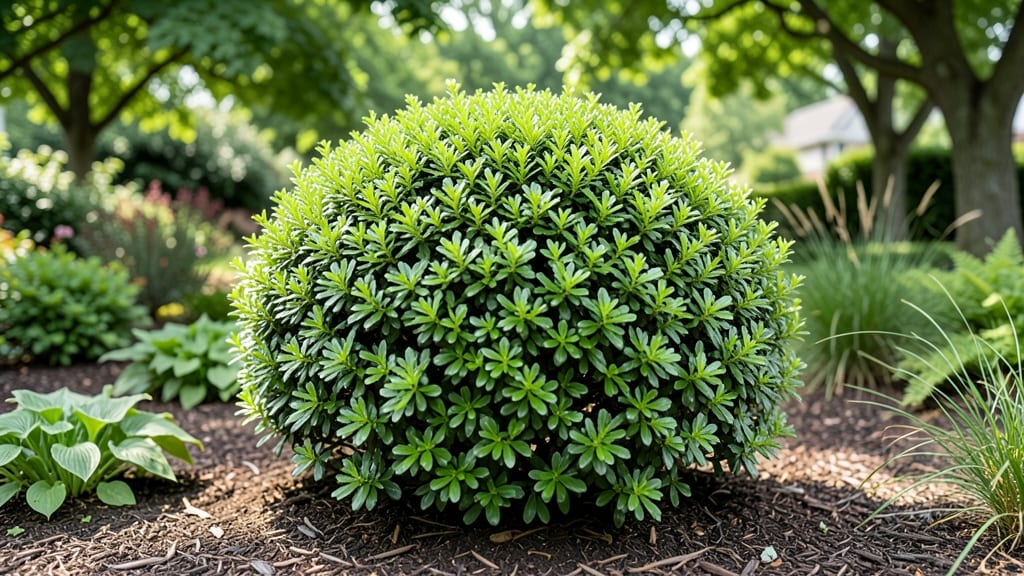
When planning your landscape, knowing how tall Green Mountain boxwood grows could make all the difference between a neat, polished look and a wild, unruly mess.
This evergreen shrub 🌿 is a favorite for hedges and borders, but its mature height varies dramatically depending on how you prune it—and whether you want a compact topiary or a towering backdrop.
Most gardeners expect their Green Mountain boxwood to reach a modest 3–4 feet at maturity, but with the right (or wrong) pruning habits, it can stretch to 6 feet or more. The key to controlling its height lies in understanding growth patterns and seasonal care.
Whether you're designing a formal hedge or a natural border, this shrub adapts—but only if you give it the right conditions.
In this guide, I’ll break down exactly what to expect from your Green Mountain boxwood’s growth, from its first year in the ground to its full, mature size.
You’ll learn how pruning styles, soil quality, and sunlight exposure all play a role in shaping its height—and how to keep it at your ideal dimensions without stressing the plant.
Ready to create the perfect backdrop for your garden? Let’s dive into the factors that influence your boxwood’s height and how to maintain it year after year.


Green Mountain boxwood mature height by pruning style: formal vs. natural growth
Green Mountain boxwoods are one of the most versatile evergreens for landscaping, but their mature height can vary dramatically—from compact 3-foot hedges to towering 10-foot specimens. The key difference? Your pruning approach.
Without pruning, these boxwoods naturally grow into a rounded, 4-6 foot shrub perfect for borders or specimen planting. But with strategic pruning, you can shape them into formal hedges, topiary art, or even sprawling ground covers.
Understanding these growth patterns helps you design landscapes that fit your vision. For example, if you want a low-maintenance hedge, aim for 3-4 feet with light pruning. For dramatic topiary designs, expect heights up to 7-10 feet with aggressive shaping.
The secret lies in when and how you prune—spring is ideal for shaping, while late summer encourages bushier growth.
Here’s how Green Mountain boxwood heights break down by pruning style, with visual comparisons to help you visualize the results:
| Pruning Style | Mature Height Range | Growth Rate (Yearly) | Best For | Pruning Frequency |
|---|---|---|---|---|
| Unpruned (Natural Growth) | 4–6 feet | 6–12 inches/year | Specimen plants, woodland gardens | Minimal (1x/year) |
| Light Pruning (Hedge Shape) | 3–5 feet | 4–8 inches/year | Foundation plantings, borders | 2–3x/year |
| Heavy Pruning (Formal Hedge/Topiary) | 5–10 feet (with training) | 8–12 inches/year (with pruning) | Topiary, formal gardens, privacy screens | 3–4x/year |
Notice how heavy pruning can push heights beyond the natural 6-foot limit? That’s because aggressive shaping encourages lateral growth, creating wider but taller structures. For example, a topiary ball on a 6-foot stem can make the plant appear much taller than its unpruned counterpart.
Conversely, light pruning keeps boxwoods compact, ideal for foundation plantings or low hedges.
Density also changes with pruning. Unpruned boxwoods develop a loose, airy habit, while heavily pruned varieties become thick and bushy. This makes them perfect for windbreaks or privacy screens when trained properly.
If you’re aiming for a dense hedge, prune in late summer to encourage new growth before winter dormancy.
One common mistake is assuming Green Mountain boxwoods will stay small without intervention. In reality, they’ll reach their natural 6-foot height within 5–7 years if left unpruned. To control height, start pruning in year 2 or 3—this gives roots time to establish before shaping begins.
Use sharp, clean tools to avoid tearing branches, which can invite pests or disease.
For hedge applications, aim to prune two-thirds of new growth in early spring. This keeps the plant 3–4 feet tall while maintaining a neat, uniform look. If you’re growing boxwoods for specimen planting, prune lightly to preserve their natural shape.
The goal is to guide growth, not restrict it—over-pruning can stress the plant and reduce its drought tolerance.
Pro tip: Use a string line when pruning hedges to ensure straight edges. For topiary, sketch your design on paper first to visualize the final shape. Remember, Green Mountain boxwoods respond well to shaping but need time to recover—never prune more than one-third of the plant in a single session.
🌿
Factors that influence Green Mountain boxwood height: soil, sun, and climate
Your Green Mountain boxwood won’t reach its full potential height unless you optimize three critical factors: soil quality, sunlight exposure, and climate conditions. These elements work together to determine whether your shrub stays compact at 3–4 feet or stretches toward 6 feet or taller.
Let’s break down how each factor impacts growth—and what you can do to create ideal conditions.
The soil pH plays a surprisingly large role in boxwood height. These shrubs thrive in acidic soil (pH 5.0–6.5). If your soil is alkaline (pH 7.0+), roots struggle to absorb nutrients, stunting growth. Test your soil annually and amend with sulfur or peat moss if needed.
Well-draining soil is equally important—waterlogged roots lead to root rot, which slows height gain. Mix in compost at planting to improve drainage and fertility.
Here’s how sunlight exposure directly affects height: Boxwoods grow 30–50% faster in partial shade (3–6 hours of sun) than in full sun or deep shade. Too much sun (especially in hot climates) causes leaf scorch, which stresses the plant and limits vertical growth.
Conversely, deep shade (less than 3 hours of sun) leads to leggy, sparse growth, making the shrub appear taller but less dense. Aim for morning sun with afternoon shade for balanced height and density.
🌱 Key Factors Affecting Green Mountain Boxwood Height
- 🌿 Soil pH (5.0–6.5): Acidic soil boosts nutrient uptake, promoting 6–12 inches of growth per year.
- ☀️ Sunlight (3–6 hours): Partial shade prevents stress, ensuring compact, bushy growth at 3–5 feet.
- 🌡️ Climate (USDA Zones 5–8): Warmer zones (7–8) accelerate growth to 6+ feet if unchecked.
- 💧 Watering (1 gallon/week): Consistent moisture supports steady height gain without stress.
- 🌬️ Wind Exposure: Sheltered plants grow 20% taller than wind-battered ones.
Climate zone matters more than you might think. In cooler zones (USDA 5–6), Green Mountain boxwoods grow slowly, typically reaching 4–5 feet over 5–7 years. But in warmer zones (7–8), they can shoot up to 6 feet or more in the same timeframe if left unpruned.
The extra heat and longer growing season speed up metabolism, fueling faster vertical growth. To counteract this, prune twice a year in warm climates—once in early spring and again in late summer.
Don’t overlook watering habits, either. While boxwoods are drought-tolerant, they need consistent moisture to reach their full height potential. Water deeply 1–2 times per week during dry spells, aiming for 1 gallon per plant.
Mulch around the base with 2–3 inches of organic mulch to retain moisture and regulate soil temperature. This simple step can add 6–12 inches to your boxwood’s mature height by reducing stress.
One often-overlooked factor is wind exposure. Boxwoods grown in windy conditions develop stunted, gnarled growth as they struggle to stand upright. To encourage straight, tall growth, plant them 10–15 feet from prevailing winds or use a windbreak like a fence or taller shrubs.
Sheltered plants grow 20% taller and develop denser foliage, making them ideal for privacy screens or formal hedges.
Pro tip: If you’re planting multiple boxwoods, space them 3–4 feet apart for hedges or 6–8 feet apart for specimen plants. Proper spacing ensures each shrub has room to reach its optimal height without competing for nutrients.
In tight spaces, prune more aggressively to maintain compact size. For maximum height control, combine soil amendments, pruning, and watering into a seasonal routine.
🌳