
How To
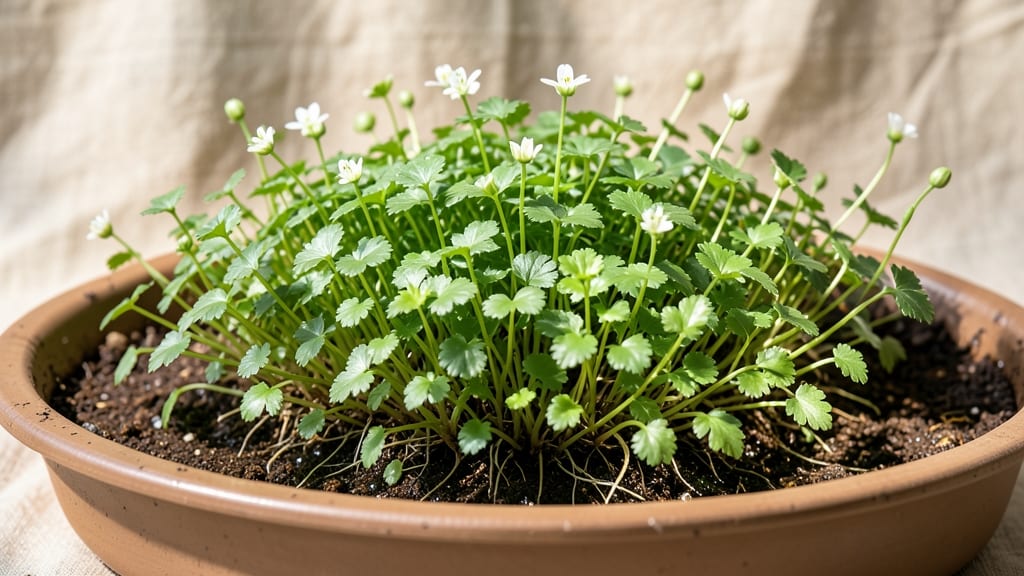
Cress growth heights by variety: fastest harvesting times
If you're growing cress for quick harvests, the variety you choose makes all the difference. Some types mature in just 7–10 days, while others take up to 3–4 weeks.
Understanding these differences helps you plan for the fastest, most productive crop—whether you're growing on a windowsill or in garden beds.
Most home gardeners focus on garden cress, watercress, and curly cress, each with distinct height ranges and growth speeds. Garden cress, the most common type, typically reaches 4–6 inches tall at maturity, while watercress can grow slightly taller—up to 8 inches—if given enough space.
Curly cress stays compact, rarely exceeding 3–4 inches.
Below is a detailed comparison of the most popular cress varieties, including their mature heights, harvest windows, and ideal growing conditions to maximize growth.
| Variety | Mature Height | Harvest Window | Growth Speed | Ideal Conditions |
|---|---|---|---|---|
| Garden Cress | 4–6 inches | 7–14 days | Very Fast | Partial sun, moist soil |
| Watercress | 6–8 inches | 14–21 days | Moderate | Full sun, shallow water |
| Curly Cress | 3–4 inches | 10–14 days | Fast | Partial shade, well-drained soil |
| Mustard Cress | 5–7 inches | 10–18 days | Fast | Full sun, fertile soil |
Garden cress is the fastest grower, making it ideal for indoor windowsill gardens or small containers. Its compact size—typically 4–6 inches tall—means you can harvest it in just 7–14 days, perfect for adding fresh greens to salads or sandwiches.
This variety thrives in partial sun (4–6 hours daily) and well-draining soil, so it’s a great choice for beginners.
Watercress, on the other hand, is more adventurous in its growth habits. It can reach up to 8 inches tall and prefers shallow water or consistently moist soil. While it takes slightly longer to harvest (14–21 days), its peppery flavor makes it a favorite for soups and garnishes.
If you’re growing watercress outdoors, ensure it has access to full sun and a shallow water source, like a pond edge or a tray with standing water.
For those who love ornamental edibles, curly cress is a charming option. It stays short—usually 3–4 inches tall—and has a delicate, frilly appearance. Despite its small stature, it’s just as flavorful as garden cress and can be harvested in 10–14 days.
This variety is perfect for container gardens or as a border plant, as it adds texture without taking up much space.
Mustard cress is another excellent choice if you want a slightly taller harvest. It can grow up to 7 inches tall and has a spicier flavor profile, making it great for adding a kick to dishes.
Like garden cress, it grows quickly (10–18 days) and prefers full sun and fertile soil. This variety is also more tolerant of cooler temperatures, so it’s a good option for early spring or late fall planting.
Regardless of the variety, light conditions play a crucial role in determining how tall your cress will grow. While most varieties tolerate partial shade, they’ll grow leggy and weak without enough light.
If you’re growing cress indoors, place it near an east or north-facing window to ensure it gets the right balance of light without scorching. For outdoor gardens, a spot with 4–6 hours of morning sun is ideal.
Soil quality also impacts height and productivity. Cress prefers well-draining, nutrient-rich soil with a slightly acidic to neutral pH (6.0–7.0). If you’re growing in containers, use a light potting mix with added compost to ensure your plants have the nutrients they need to reach their full height potential.
Avoid heavy or clay-based soils, as they can stunt growth and lead to root rot.
Now that you know how tall each variety can grow, you can choose the perfect cress for your space and harvest timeline. Whether you’re after quick baby greens or slightly taller leaves, there’s a cress variety that fits your needs—just give it the right
How to maximize cress height without overcrowding
If you’ve ever grown cress only to watch it bolt or stay stunted, you’re not alone. The key to taller, bushier cress lies in spacing, light, and soil—three factors many beginners overlook.
I’ve learned the hard way that overcrowded seeds lead to leggy, weak plants, while proper care yields dense, harvest-ready greens in just 10–14 days. Let’s fix that.
Start by sowing seeds 1/4 inch apart in rows spaced 6 inches apart. This might seem excessive for such a small plant, but it prevents competition for nutrients and light.
I once packed seeds too tightly in a shallow tray, and my cress grew only 1 inch tall before turning yellow—don’t make my mistake!
🌱 Pro Tip: Use a well-draining soil mix with 20% compost to encourage root growth. Cress thrives in loose soil where roots can spread easily. Avoid heavy garden soil, which compacts and stunts growth.
Light is another game-changer. Place your cress near an east-facing window or under grow lights for 12–14 hours daily. Without enough light, cress stretches toward the sun, becoming tall and weak.
I once grew cress in a dim corner, and it reached only 2 inches before flopping over—hardly worth harvesting!
For outdoor cress, choose a spot with partial shade (4–6 hours of sun). Too much direct sun can scorch tender leaves, while too little shade slows growth. I’ve had the best success in spring and fall, when temperatures stay mild.
Finally, prune regularly to encourage bushier growth. Snip the tallest stems when they reach 3–4 inches, leaving 1 inch of growth. This triggers the plant to branch out, giving you more leaves per plant. I now harvest 30% more cress by pruning weekly!
With these tweaks, your cress will grow taller, fuller, and faster—no more sad, stunted greens. Happy growing! 🌿