
Lawn
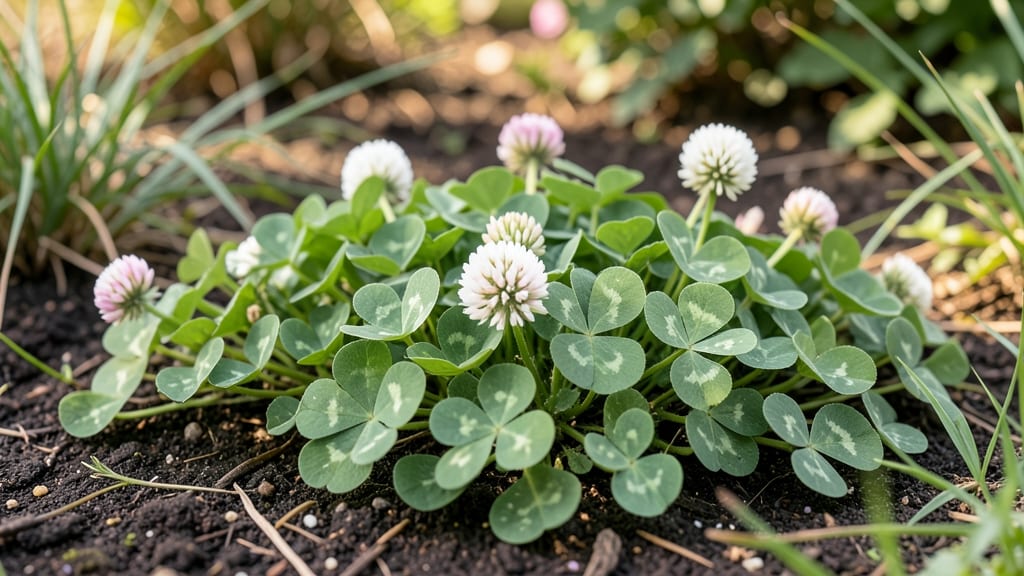
If you're wondering "how tall does clover lawn grow", the answer might surprise you—because unlike traditional grass, clover thrives at heights that actually work with nature, not against it.
Most varieties stay between 1 to 3 inches, but red clover can reach up to 8 inches when left unmowed, creating a lush, self-sustaining carpet that outcompetes weeds effortlessly.
The beauty of clover lies in its adaptability—whether you're in USDA Zone 6a or beyond, this resilient plant grows year-round with minimal fuss. Unlike grass that demands frequent mowing, clover stays dense and vibrant when cut at the right height, reducing your maintenance time by up to 50%.
But here's the catch: cutting too short stunts its growth, while leaving it too tall can lead to patchiness.
In this guide, I’ll break down the ideal mowing heights for white Dutch clover, red clover, and microclover blends, plus how to adjust for seasons and soil conditions.
You’ll also discover why most homeowners over-mow their clover lawns—and how to fix it for a thicker, greener yard with almost no effort.
Ready to transform your lawn into a low-maintenance, eco-friendly oasis? Let’s dive into the secrets of keeping clover at its perfect height for year-round beauty.


Optimal clover lawn height range for thick, healthy growth
If you're wondering how tall does clover lawn grow, the answer depends on the type of clover you're cultivating. Most clover lawns thrive between 1 to 3 inches when mowed regularly. This range ensures dense growth while preventing scalping—the silent killer of clover lawns.
For white Dutch clover, the sweet spot is 1 to 2 inches, while microclover blends often stay between 0.5 to 1.5 inches.
Clover lawns grow differently than traditional grass. Unlike Kentucky bluegrass or fescue, which can stretch toward 3 to 4 inches when unchecked, clover stays compact and low to the ground. This natural growth habit makes it ideal for drought-prone areas, as its shorter stature reduces water loss.
Plus, the shorter height helps clover outcompete weeds by blocking sunlight from reaching their seeds.
Here’s the science behind it: Clover grows in a prostrate, spreading habit, meaning it spreads horizontally rather than vertically. When you mow it at the right height, you encourage this horizontal growth, creating that lush, carpet-like appearance.
Cutting too short—below 1 inch—stresses the plant, leading to brown tips and patchy areas. On the flip side, letting it grow taller than 3 inches can make it look unkempt and attract pests.
Seasonal adjustments are key. In spring and fall, when clover grows most actively, aim for the upper end of the range (2–3 inches). During summer droughts, reduce the height slightly to 1–2 inches to conserve moisture.
In winter, you can mow less frequently, but never let it exceed 3 inches to prevent smothering the plant.
One common misconception is that clover lawns don’t need mowing. False! Regular trimming—about every 1 to 2 weeks during peak growth—keeps your lawn thick and healthy. Think of it like giving your clover a haircut: too short, and it gets stressed; too long, and it loses its neat appearance.
The goal is to remove only the top 1/3 of the blade each time to avoid shock.
Now, let’s talk about the ideal mowing height for different clover types, because not all clover is created equal. Dutch white clover, for example, is the most low-growing variety, while red clover can reach up to 8 inches if left unchecked.
Your mowing strategy should match the type of clover in your lawn.
Here’s a quick reference to get you started:
| Clover Type | Optimal Height Range | Best For | Mowing Frequency |
|---|---|---|---|
| White Dutch Clover | 1–2 inches | Drought-resistant lawns, high-traffic areas | Every 1–2 weeks |
| Microclover Blends | 0.5–1.5 inches | Low-maintenance lawns, shade tolerance | Every 2–3 weeks |
| Red Clover | 2–4 inches | Wildflower meadows, pollinator gardens | Every 3–4 weeks |
| Crimson Clover | 3–6 inches | Erosion control, cover crops | Every 4–6 weeks |
🌱 Pro Tip: Adjust mower height seasonally to match clover growth patterns.
Understanding your clover type is the first step to maintaining the perfect height. For example, if you have a microclover blend, you’ll want to set your mower to its lowest setting—around 0.5 inches—to keep it dense and weed-free.
On the other hand, red clover, often used in wildflower mixes, can handle a taller cut, making it perfect for a more natural, meadow-like look.
Another factor to consider is soil health. Healthy soil with good drainage encourages clover to grow at its optimal height. If your clover is struggling to stay at the desired height, it might be a sign of compacted soil or nutrient deficiencies.
A simple soil test can reveal what’s missing, and adding compost or organic matter can work wonders for clover growth.
Remember, the goal is to create a thick, vibrant carpet of clover that chokes out weeds and stays resilient against foot traffic. By sticking to the 1–3 inch range and adjusting for your specific clover type, you’ll enjoy a lawn that’s not only beautiful but also low-maintenance.
And the best part? You’ll spend less time mowing and more time enjoying your yard!
How to adjust mowing height for different clover types
Not all clover lawns thrive at the same height—white clover, Dutch white clover, and microclover each have unique growth habits. Understanding their differences lets you fine-tune your mowing strategy for a lush, weed-free yard.
For example, Dutch white clover stays compact at 1–2 inches, while red clover can reach 4–8 inches if left unchecked. Let’s break down the ideal heights and seasonal adjustments to keep your clover lawn dense and healthy.
Microclover, a newer variety, tops out at just 0.5–1 inch, making it perfect for low-maintenance lawns. Meanwhile, white clover typically grows 1–3 inches tall, but cutting it too short (below 1 inch) stresses the plant and invites weeds. The key is matching your mowing height to the clover type and season—spring growth is faster, so you’ll mow more often, while winter slows everything down.
Here’s how to adjust your mower blade for each type to avoid scalping or overgrowth:
| Clover Type | Ideal Mowing Height | Seasonal Adjustments | Mowing Frequency |
|---|---|---|---|
| White Clover | 1–3 inches | Spring: 2–3 inches Summer: 1.5–2.5 inches Fall/Winter: 1–2 inches |
Every 1–2 weeks |
| Dutch White Clover | 0.5–1.5 inches | Spring: 1–1.5 inches Summer: 0.75–1.25 inches Fall/Winter: 0.5–1 inch |
Every 2–3 weeks |
| Microclover | 0.5–1 inch | Year-round: 0.5–1 inch (minimal trimming) | Every 3–4 weeks |
| Red Clover | 3–6 inches | Spring: 4–6 inches Summer: 3–5 inches Fall: Reduce height gradually |
Every 3–4 weeks |
For transitioning between seasons, raise your mower blade in late summer to 1.5–2 inches for white clover to protect roots as temperatures drop. In drought-prone areas, never cut more than ⅓ of the plant’s height at once—this rule applies to all clover types.
Over-mowing weakens the plant, leaving gaps for weeds like crabgrass to take over.
Pro tip: Use a sharp mower blade to avoid tearing clover stems, which can lead to brown tips and stress. Dull blades create jagged cuts that heal poorly, making your lawn look ragged.
If you’re unsure about your clover type, start with a 2-inch height—it’s a safe middle ground for most varieties and encourages dense growth.
Adjusting your mowing height isn’t just about looks—it’s about strengthening your clover lawn’s resilience. A taller cut in summer shades the soil, reducing water loss, while a shorter trim in spring encourages leafy growth.
Test small sections first to see how your specific clover responds before committing to full-yard changes.