
How To
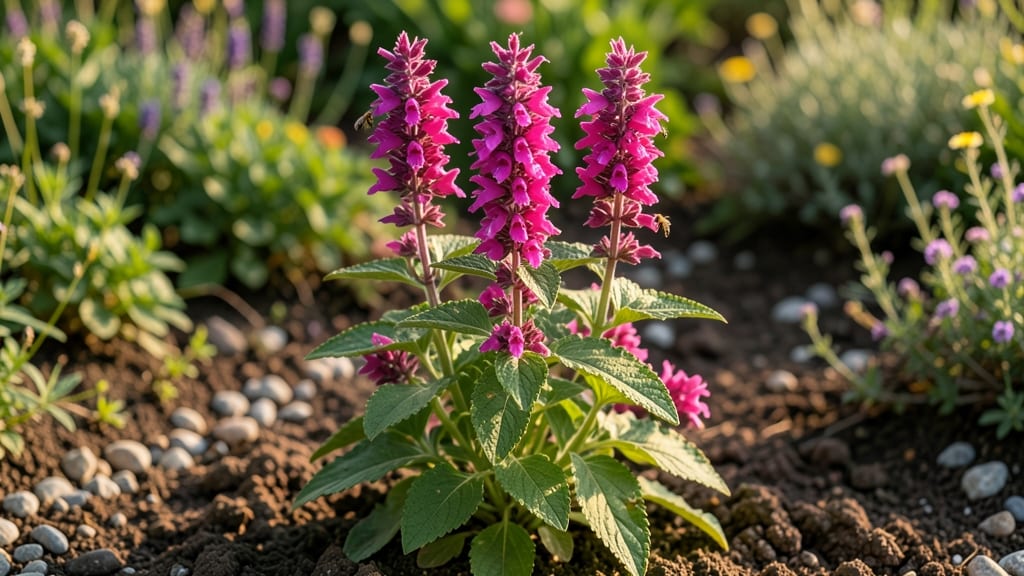
If you're wondering how tall does bergamot grow, the answer might surprise you—this fragrant 🌸 favorite can range from compact clumps to towering bushes, depending on the variety and growing conditions.
Most gardeners expect bergamot to stay between 2 to 4 feet tall, but some varieties like 'Jacob Cline' can reach 5 feet or more when left unpruned.
Whether you're planning a small herb garden or a bold landscape statement, understanding these height variations is key to making the most of your space.
What you might not realize is that pruning and sunlight exposure play huge roles in controlling its height. With the right care, you can keep it compact or let it grow wild for a dramatic look.
I'll break down everything you need to know to choose the perfect variety for your garden.
From dwarf options perfect for containers to tall varieties that thrive in sunny borders, bergamot offers versatility. Let's explore how to get the height you want—whether that means keeping it short and sweet or letting it grow tall and majestic.


Bergamot height by variety: from dwarf to towering bushes
When planning your garden layout, knowing how tall your bergamot will grow is key—especially since this fragrant perennial comes in stunning varieties with wildly different mature heights.
Most bee balm (Monarda didyma) varieties reach 3 to 5 feet, while wild bergamot (Monarda fistulosa) typically stays shorter at 2 to 3 feet.
But don’t let those averages fool you—some cultivars can stretch taller than your garden gate, while others stay compact enough for container gardening.
Your choice of bergamot variety directly impacts your garden’s design. Tall varieties like 'Marshall’s Delight' create bold backyard focal points, while dwarf types such as 'Croftway Pink' fit neatly into border gardens or window boxes.
Even the growth habit varies—some grow upright like small shrubs, while others spread wider than they grow tall, forming ground-hugging mounds.
Here’s the critical detail: pruning habits and growing conditions can push bergamot heights beyond their natural range. For example, heavy pruning keeps plants shorter, while minimal maintenance lets them reach their full potential.
Let’s break down the height expectations by the most popular bergamot varieties so you can pick the perfect fit for your space.
Comparison Table: Bergamot Height by Variety
| Variety | Common Name | Mature Height | Spread | Growth Habit |
|---|---|---|---|---|
| Monarda didyma | Bee Balm | 3–5 ft | 2–3 ft | Upright bush |
| 'Jacob Cline' | Red Bee Balm | 4–5 ft | 2–3 ft | Tall, sturdy |
| 'Croftway Pink' | Dwarf Bee Balm | 1–2 ft | 1–2 ft | Compact mound |
| Monarda fistulosa | Wild Bergamot | 2–3 ft | 2–4 ft | Semi-spreading |
| 'Adam' | Dwarf Hybrid | 1–1.5 ft | 1–1.5 ft | Tight clump |
| 'Marshall’s Delight' | Pink Bee Balm | 4–5 ft | 2–3 ft | Tall, showy |
If you’re growing bergamot in containers, dwarf varieties like 'Adam' or 'Croftway Pink' are ideal—they thrive in 5-gallon pots and rarely exceed 1.5 feet. Meanwhile, tall varieties such as 'Jacob Cline' or 'Marshall’s Delight' need full sun
Bergamot height by variety: from dwarf to towering bushes
When planning your garden, knowing how tall does bergamot grow helps you choose the right variety for your space. Bergamot (Monarda spp.) comes in stunning varieties, each with distinct growth habits.
The most common types—bee balm (Monarda didyma) and wild bergamot (Monarda fistulosa)—offer everything from compact clumps to towering shrubs, making them versatile for any garden design.
For example, bee balm varieties like 'Croftway Pink' typically stay between 1 to 2 feet tall, perfect for containers or small gardens. Meanwhile, wild bergamot often reaches 3 to 4 feet, thriving in wildflower meadows or sunny borders.
The key difference? Pruning habits and sunlight exposure can push some varieties even higher.
| Variety | Mature Height | Growth Habit | Best For |
|---|---|---|---|
| 'Croftway Pink' (Bee Balm) | 1–2 ft | Compact, bushy | Containers, small gardens |
| 'Jacob Cline' (Bee Balm) | 3–5 ft | Tall, upright | Back of borders, pollinator gardens |
| 'Marshall’s Delight' (Bee Balm) | 2–3 ft | Semi-dwarf, spreading | Mixed borders, cut flowers |
| Wild Bergamot (Monarda fistulosa) | 2–4 ft | Clumping, airy | Prairie gardens, wildflower meadows |
If you're working with limited space, dwarf varieties like 'Adam' or 'First Edition' stay under 2 feet, making them ideal for window boxes or herb gardens.
On the other hand, tall varieties like 'Jacob Cline' can reach 5 feet or more when given full sun and minimal pruning, creating a striking focal point in your landscape.
Another factor to consider is whether your bergamot will spread or stay upright. Most bee balm varieties grow in clumping habits, while wild bergamot tends to spread wider but shorter.
This means you can use them in mass plantings for ground cover or tuck them into tight spots with careful pruning.
For gardeners in USDA zones 4–9, bergamot’s height can vary slightly based on climate. In cooler zones, expect slightly shorter growth, while warmer zones may see taller, more vigorous plants. Always check your specific variety’s tags for exact expectations—some hybrids even offer height-controlled growth through selective breeding.
Whether you're aiming for a neat herb garden or a wildflower meadow, choosing the right bergamot variety ensures your plants thrive without overcrowding. Next, I’ll share how to manage their height with pruning and care tips to keep them looking their best year after year.