
Plants
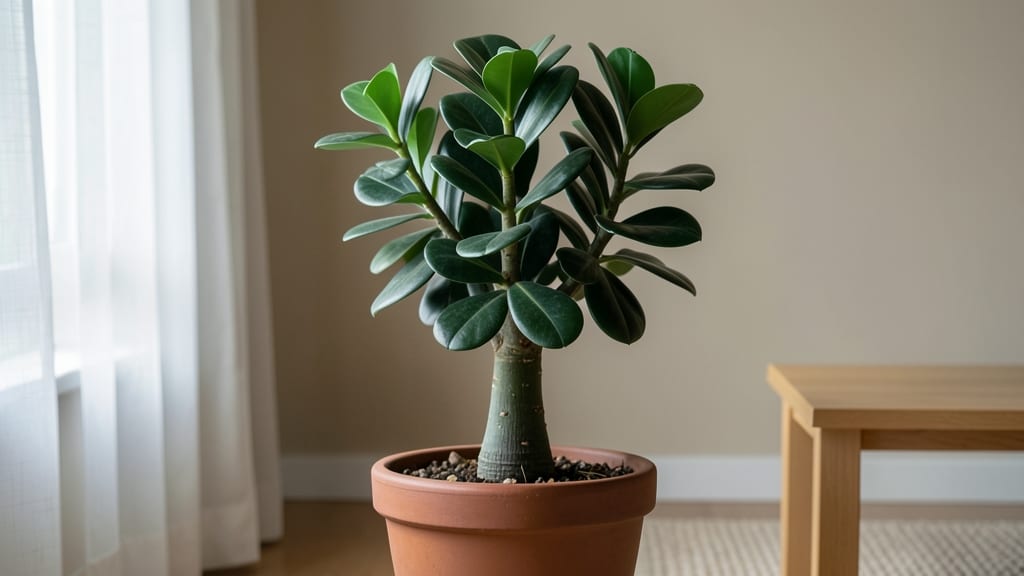
Wondering how tall does a ZZ Plant grow before it starts crowding your space? This glossy-leaved superstar might look modest at first, but its growth habits often catch plant lovers off guard—especially when you realize it could stretch to 3 feet indoors with the right conditions.
Unlike finicky houseplants, the ZZ Plant (🌿 Zamioculcas zamiifolia) thrives on neglect and adapts beautifully to indoor environments.
Whether you're working with a cozy apartment or a sunlit corner, understanding its growth patterns helps you plan for its mature size—because yes, it will grow, but not in the way you might expect.
Most ZZ Plants reach their full height within 2-3 years, but their growth rate depends on light exposure, pot size, and how often you prune those long stems.
The good news? With a few simple care tweaks, you can keep it compact or let it grow tall—it’s all about what you prefer for your space.
Let’s break down the science behind its height, debunk common myths, and share pro tips to manage its size—so you can enjoy this low-maintenance plant without any surprises. Ready to learn how to keep your ZZ Plant at your ideal height?


ZZ plant height limits: how tall can it grow indoors?
The ZZ plant (Zamioculcas zamiifolia) is famous for its slow, steady growth and striking glossy, dark green leaves. But how tall does it get?
Under ideal indoor conditions, most mature ZZ plants reach 2 to 3 feet tall, though some can stretch toward 4 feet with perfect care. Their growth rate is slow—expect only 1 to 2 inches per year in the first few years.
This makes them perfect for small spaces, shelves, or offices where you want a low-maintenance green statement.
Unlike fast-growing plants, ZZ plants don’t have dramatic height spikes. Instead, they grow gradually and predictably, making them ideal for beginners or busy plant parents. Their compact size and drought tolerance also mean they won’t outgrow their space quickly.
But if you’re wondering how to control their height—or encourage it—understanding the factors that influence growth is key.
Here’s what you need to know about ZZ plant height limits, including how light exposure, pot size, and pruning habits play a role in their mature size. The table below breaks down the key details at a glance.
| Growth Stage | Height Range | Time to Reach | Key Factors |
|---|---|---|---|
| Year 1 | 1–2 feet | Slow growth | Light, soil, pot size |
| Year 2–3 | 2–3 feet | Mature size | Pruning, root space |
| Dwarf Varieties | 1–2 feet | Genetic trait | Smaller pots, limited light |
| Standard Varieties | 2–4 feet | 3–5 years | Bright indirect light |
If you’re comparing your ZZ plant to others, remember that height isn’t the only measure of maturity. A healthy ZZ plant will also develop thicker stems and more leaf clusters as it ages.
Some plant parents report their ZZ plants growing taller when placed near east-facing windows, where they receive gentle morning sunlight without harsh afternoon rays.
One common misconception is that ZZ plants grow uncontrollably tall if left alone. In reality, their growth is self-regulating—they’ll stop growing taller once they’ve used up the available space in their pot.
This is why repotting every 2–3 years is crucial if you want to encourage height. A larger pot gives roots more room to expand, which can lead to taller growth over time.
For those with limited vertical space, pruning is your best friend. Trimming back leggy stems or cutting back overgrown leaves can encourage bushier growth and prevent your ZZ plant from becoming a towering giant.
Just be sure to use sterilized scissors and let cuttings dry for a day before replanting, if desired.
Outdoor ZZ plants, if grown in USDA Zone 9 or warmer, can reach slightly taller heights—up to 5 feet—due to more natural light and warmth.
However, most indoor ZZ plants will stay within the 2–3 foot range unless you’re actively encouraging taller growth with larger pots and optimal light.
Pro tip: If your ZZ plant starts to lean toward a light source, it’s a sign it’s stretching for more light. Rotate the pot quarter-turns every few weeks to keep growth even and prevent lopsided height. This simple trick ensures your plant grows uniformly and stays compact.
Whether you’re aiming for a small shelf companion or a floor-filling statement plant, understanding your ZZ plant’s growth habits lets you shape its size to fit your space perfectly.
With the right care, you can keep it at desk height or let it grow into a room-dividing beauty—the choice is yours!
5 Factors that control ZZ plant growth height (and how to manage them)
Your ZZ plant’s height isn’t just luck—it’s a mix of care choices you make daily. From the light it soaks up to the pot it calls home, every detail shapes whether your plant stays compact or stretches toward the sky.
Let’s break down the top 5 factors that control its growth and how to tweak them for your perfect-sized plant.
First, light exposure is the biggest growth regulator. ZZ plants thrive in low to bright indirect light, but too much direct sun can make them grow taller and leggy as they reach for light.
Place yours near a north-facing window or a few feet from a south-facing one to keep it balanced. If your plant starts stretching toward a light source, it’s time to rotate the pot quarter-turn weekly for even growth.
Pot size plays a sneaky role too—ZZ plants are root-bound lovers. A pot that’s too large encourages rapid growth as the roots spread, while a snug pot keeps growth slower and more controlled. If you want a shorter ZZ plant, choose a container just 1-2 inches wider than its root ball. For faster growth, upgrade to a pot 3-4 inches larger.
🌱 Numbered Highlights: How to Manage ZZ Plant Growth
- 1. Light Exposure: Keep in indirect light to prevent leggy growth. Rotate pot weekly for even growth.
- 2. Pot Size: Use snug pots for slower growth; larger pots encourage faster growth.
- 3. Pruning: Trim leggy stems to encourage bushier growth and control height.
- 4. Soil & Fertilizer: Well-draining soil + light fertilizer in spring promotes healthy growth.
- 5. Watering: Let soil dry completely between waterings to avoid overgrowth.
Don’t overlook pruning—it’s your secret weapon for shaping your ZZ plant. When stems grow too tall or leggy, snip them back to just above a leaf node. This triggers new growth from the base, creating a fuller, bushier plant that stays shorter.
Pro tip: Use clean, sharp scissors to avoid damaging the stem, and always prune in early spring for the best results.
Your soil and fertilizer choices also influence height. ZZ plants love well-draining, aerated soil—think cactus or succulent mix. Over-fertilizing can lead to rapid but weak growth, so stick to a balanced 10-10-10 fertilizer every 4-6 weeks in spring.
Skip fertilizing in fall and winter when growth slows naturally. For a shorter ZZ plant, reduce fertilizer to half-strength or skip it entirely.
Last but not least, watering habits impact growth more than you’d think. ZZ plants are drought-tolerant and thrive when their soil is completely dry between waterings. Overwatering stresses the plant, leading to weak, elongated stems as it stretches for survival.
Stick to watering every 2-3 weeks and always check the soil with your finger—if the top 2 inches are dry, it’s time to water.
With these 5 factors under control, your ZZ plant will grow at your ideal pace—whether you want a desk-sized companion or a statement piece for your shelf. The key is consistency: monitor, adjust, and enjoy watching your plant thrive at the perfect height! 🌿