
Plants
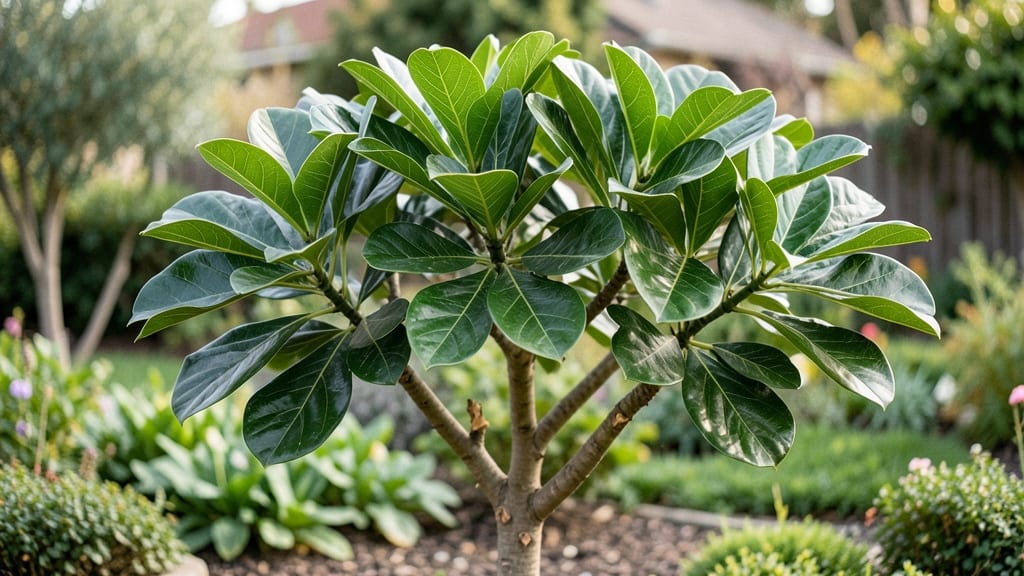
Schefflera plant height guide: indoor growth limits explained
If you're wondering how tall a schefflera plant grows indoors, the answer depends on two key factors: the variety you have and how you care for it.
Most common types like the Schefflera arboricola (umbrella plant) and Schefflera actinophylla (Australian ivy palm) typically reach 3 to 6 feet indoors with proper care, though some varieties can stretch taller if given ideal conditions. The good news? You can control its height with simple techniques.
For example, a Schefflera arboricola in a bright room with regular pruning will stay compact, while the same plant in dim light may grow leggy and reach up to 8 feet indoors.
Understanding these growth patterns helps you plan where to place your plant and when to prune it for a manageable size.
Here’s a quick breakdown of what to expect from your schefflera’s growth indoors:
| Variety | Indoor Height Range | Growth Rate (Per Year) | Key Care Tip |
|---|---|---|---|
| Schefflera arboricola (Umbrella Plant) | 3–6 ft | 1–2 ft | Prune leggy stems to encourage bushiness |
| Schefflera actinophylla (Australian Ivy Palm) | 4–8 ft | 2–3 ft | Rotate plant for even light exposure |
| Dwarf Schefflera (e.g., 'Trinette') | 2–4 ft | 6–12 inches | Use smaller pots to restrict root growth |
Light is the biggest factor in controlling your schefflera’s height. Place your plant near an east or west-facing window where it gets bright indirect light for 4–6 hours daily.
If you notice your plant stretching toward the light or developing long, sparse stems, it’s a sign it needs more light or a change in location.
Pot size also plays a role. If your schefflera is root-bound, it will grow faster vertically to reach more light. To slow down height growth, repot your plant into a container that’s only slightly larger than its root ball. This encourages horizontal growth instead of rapid upward stretching.
Pruning is another effective way to manage height. You can trim back leggy stems in early spring to encourage new, bushier growth. Just
One common mistake gardeners make is overwatering, which can lead to weak, leggy growth. Always let the top 1–2 inches of soil dry out between waterings. Overwatering causes root stress, which in turn triggers your schefflera to grow taller and faster in search of stability.
If you’re curious about how quickly your schefflera will grow, here’s a general timeline: In its first year, expect 1–2 feet of growth. By year two, it may add another 2–3 feet, depending on care.
With consistent light and proper pruning, you can keep most scheffleras within a manageable 3–6 foot range indoors.
For those with ceiling-height concerns, don’t worry—scheffleras respond well to pruning and can be kept as small shrubs with regular maintenance. The key is to act early if you notice rapid vertical growth, as established plants are harder to control.
Finally, remember that scheffleras grow best in warm environments. If your home is drafty or has cold windows, your plant may grow slower. Use a humidifier or place a tray of water near the plant to mimic its tropical habitat, which can also encourage healthier, more compact growth.
Outdoor schefflera growth secrets: how climate affects height
When your Schefflera escapes indoors and thrives outdoors, its growth habits transform dramatically. In ideal tropical climates, these plants can become towering shrubs, while in cooler USDA zones, their height remains more manageable.
The key difference? Temperature, humidity, and exposure all dictate how tall your schefflera will grow outside your home.
In USDA zones 9-11, where winters rarely drop below 40°F, scheffleras can reach 10-12 feet tall with proper care. Florida gardeners often report Australian ivy palms (Schefflera actinophylla) growing 3x faster outdoors than indoors, thanks to year-round warmth and high humidity.
Meanwhile, in California's Mediterranean climate, scheffleras grow 6-8 feet tall but may need winter protection.
🌿
| Climate Type | USDA Zone | Mature Height | Growth Rate | Winter Care Needed |
|---|---|---|---|---|
| Tropical (Florida, Hawaii) | 9-11 | 10-12 ft | Fast (2-3 ft/year) | None |
| Mediterranean (California) | 9-10 | 6-8 ft | Moderate (1-2 ft/year) | Light protection |
| Subtropical (Texas, Arizona) | 8-10 | 8-10 ft | Moderate (1.5 ft/year) | Occasional frost cover |
| Coastal (Oregon, Washington) | 7-9 | 4-6 ft | Slow (0.5-1 ft/year) | Winter mulch |
Humidity plays a critical role in outdoor growth. In high-humidity zones like Florida, scheffleras grow 20% taller than in drier climates. The extra moisture helps them develop larger leaves and thicker stems, supporting their rapid vertical growth.
Even in arid regions, you can encourage height by placing your schefflera near a drip irrigation system or mist sprayer during hot afternoons.
For gardeners in USDA zones 7-8, outdoor scheffleras rarely exceed 5-6 feet without winter protection. The key is to plant them in sheltered microclimates, like near south-facing walls or under deciduous trees that provide shade during summer but allow sunlight in winter.
In these areas, growth slows dramatically in cool months, often resulting in a bushier, more compact plant rather than a towering shrub.
🌳
If you're considering outdoor planting, remember that pruning in late winter encourages new growth and controls height. In tropical climates, a light pruning every 6 months maintains shape, while in cooler zones, a harder prune before spring helps the plant recover from winter stress.
Always use sterilized shears to prevent disease spread, especially when dealing with larger, mature plants.