
How To
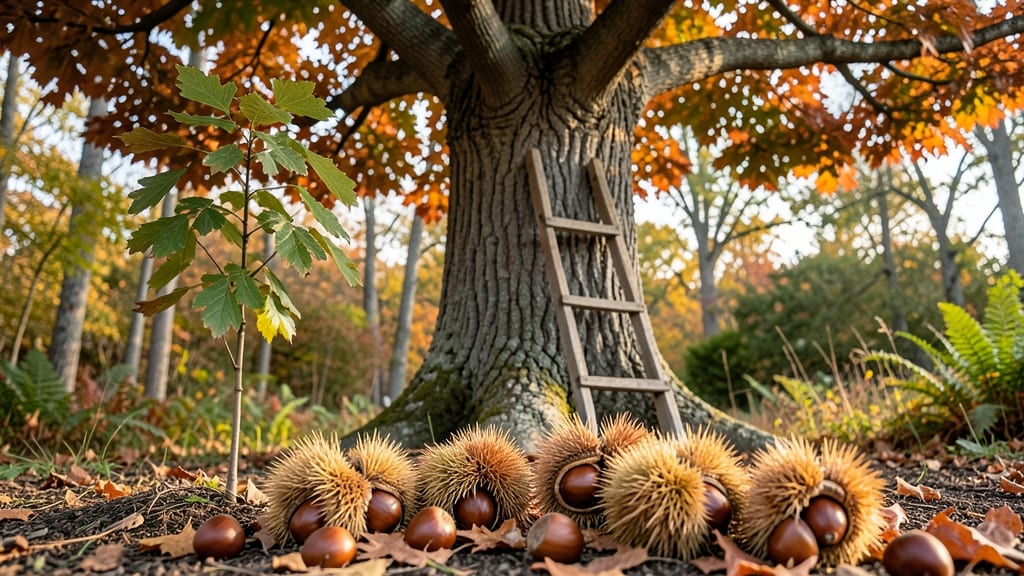
Wondering how tall does a chestnut tree grow before it becomes that stunning backyard centerpiece? These majestic 🌳 trees can reach heights of 40 to 80 feet, turning your landscape into a living monument with the right care.
But here's the thing: not all chestnut varieties grow to the same height. American chestnuts typically stay on the shorter side of that range, while European varieties can stretch toward the upper limits.
If you're working with limited space, you might consider dwarf varieties that still pack big personality in a smaller footprint.
What's even more exciting is how fast they grow. In their first few years, these trees shoot up 3 to 5 feet annually, and their growth rate only accelerates as they mature.
That means you'll see dramatic changes year after year, making the wait for that towering chestnut tree much more rewarding.
Whether you're planning a new landscape feature or just curious about these impressive trees, understanding their growth potential helps you make better decisions. Let's explore what factors influence their height and how you can manage their growth for your specific needs.


Chestnut tree height by species: from dwarf varieties to towering giants
When planning your chestnut tree dream garden, size matters—especially since these trees can become architectural centerpieces or space hogs depending on the variety. Most true chestnuts (genus Castanea) reach 40–80 feet at maturity, while horse chestnuts (genus Aesculus) typically stay shorter at 50–75 feet.
The difference isn’t just in height but also in growth habits, making species selection critical for your yard’s layout.
If you’re working with limited space, dwarf cultivars like Castanea pumila (dwarf chinquapin) max out around 15–20 feet, while standard varieties like the American chestnut (Castanea dentata) can soar to 70+ feet.
European chestnuts (Castanea sativa) often reach 60–80 feet, with some specimens exceeding 100 feet in ideal conditions. Understanding these ranges helps you choose between a shade-providing giant or a compact ornamental tree.
| Species | Mature Height | Growth Rate | Best For |
|---|---|---|---|
| American Chestnut (Castanea dentata) | 60–80 ft | Fast (3–5 ft/year young) | Large properties, wildlife |
| European Chestnut (Castanea sativa) | 40–80 ft | Moderate (2–4 ft/year) | Ornamental, edible nuts |
| Dwarf Chinquapin (Castanea pumila) | 15–20 ft | Slow (1–2 ft/year) | Small gardens, containers |
| Horse Chestnut (Aesculus hippocastanum) | 50–75 ft | Moderate (2–3 ft/year) | Street trees, shade |
| Japanese Chestnut (Castanea crenata) | 30–50 ft | Slow (1–2 ft/year) | Small yards, bonsai |
The American chestnut is the fastest grower, often adding 3–5 feet annually in its youth before slowing to 1–2 feet as it matures. This rapid ascent makes it a favorite for quick shade solutions, but its aggressive root system demands ample space.
In contrast, dwarf chinquapins grow just 1–2 feet per year, making them ideal for urban gardens or container cultivation.
For edible nuts, the European chestnut is a top pick, though its 60–80 foot stature requires foresight. If you’re after ornamental value without the height commitment, horse chestnuts offer striking foliage and 50–75 foot growth—perfect for park-like settings.
Always check local USDA hardiness zones (typically 4–8 for most species) to ensure your chosen tree thrives in your climate.
One common misconception is that all chestnuts are tall giants. While true chestnuts dominate height charts, hybrids and cultivars like the Japanese chestnut (Castanea crenata) stay under 50 feet, blending compact growth with nut production.
Before planting, measure your space and research root spread—some varieties extend 30–50 feet wide, rivaling their height.
Pro tip: If you’re unsure about long-term growth, start with a potted sapling and monitor its first-year height. A 3–5 foot first-year spurt suggests fast growth, while slower gains indicate a shorter-maturing variety. This hands-on approach lets you predict maturity
How fast chestnut trees grow: annual growth rates and early development stages
Chestnut trees are known for their impressive growth rates, especially during their early years. In their first year, you can expect a young chestnut tree to reach 3 to 5 feet in height, given optimal growing conditions like full sun exposure and well-draining soil.
This rapid growth continues, with saplings often adding 2 to 3 feet annually during their formative years.
By year two, your chestnut tree will likely stand 8 to 12 feet tall, showcasing its strong, sturdy trunk and lush foliage.
This is the stage where proper care—such as regular watering and occasional pruning—can significantly influence how quickly the tree grows. Soil quality and nutrient availability play a critical role in these early growth spurts.
🌱 Chestnut Tree Growth Timeline
- Year 1: 3–5 ft (rapid early growth)
- Year 2: 8–12 ft (strong vertical development)
- Year 3: 15–20 ft (accelerated height gain)
- Year 5: 25–35 ft (mature form begins)
- Mature Stage: 40–80 ft (species-dependent)
In their third year, chestnut trees often experience a growth surge, reaching 15 to 20 feet tall. This is when their iconic spread-out branches and lobed leaves become more pronounced.
If you're planting a chestnut tree in your backyard, this stage is crucial for planning spacing—these trees need room to grow, especially if you're aiming for a full-sized specimen.
After the first five years, growth begins to slow as the tree matures, but it can still add 1 to 2 feet per year under ideal conditions. Factors like climate, water availability, and pruning practices can either accelerate or temper this growth.
For example, drought conditions may stunt height gains, while rich, moist soil can encourage faster vertical development.
If you're growing a dwarf variety like the Japanese chestnut or a hybrid cultivar, you can expect slightly slower growth rates, but even these smaller trees can reach 20 to 30 feet tall with proper care.
These varieties are ideal for small gardens or urban landscapes where space is limited.
To maximize growth, ensure your chestnut tree receives at least 6 hours of sunlight daily and is planted in a location with good air circulation. Regular mulching and deep watering during dry spells will also support healthy, rapid development in those early critical years.