
Plants
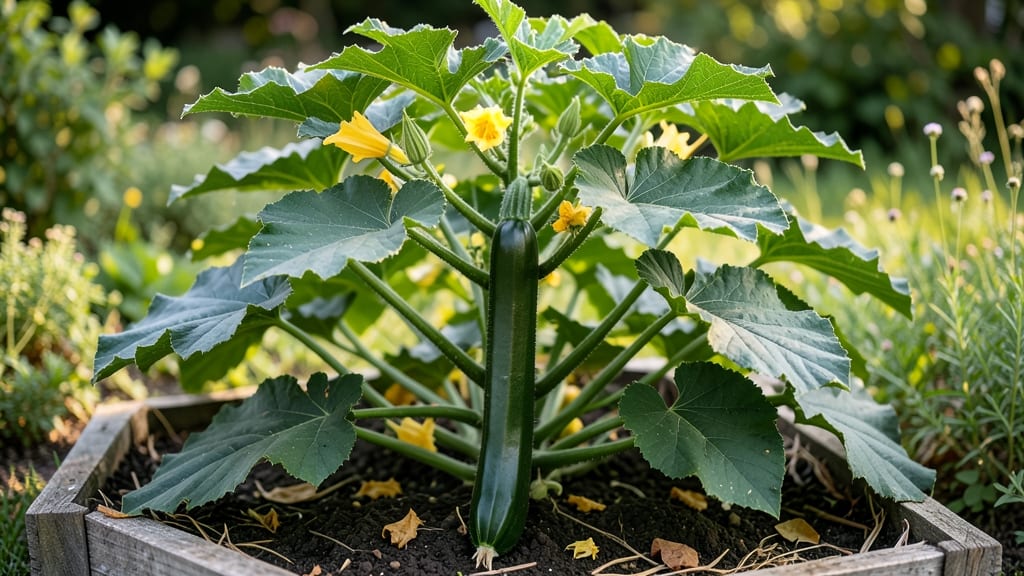
If you’ve ever wondered how tall zucchini plants grow vertically, you’re not alone—many gardeners struggle with their sprawling 🎃 habits. These plants can easily stretch 3 to 6 feet when left to their own devices, but with the right techniques, you can train them to climb instead.
Vertical growth isn’t just about saving space—it also improves airflow, reduces disease risk, and makes harvesting easier. Whether you’re working with a small balcony garden or a crowded backyard, learning how to guide these plants upward can transform your gardening experience.
Not all zucchini varieties climb the same way, though. Some bush types stay compact, while vining varieties thrive on trellises. I’ll break down the best methods to control their height, from choosing the right support to pruning tips that keep them growing strong.
Ready to turn your zucchini patch into a vertical garden? Let’s explore how to maximize your space while keeping those 🎃 plants productive and manageable.


Zucchini plant height when grown vertically: expected growth ranges and space-saving benefits
Zucchini plants are famous for their sprawling vines, but when trained vertically, they can transform from garden space hogs to neat, compact producers.
Without support, these plants typically reach 3 to 6 feet wide, but with the right trellising, you can limit their vertical height to just 12 to 24 inches. This isn’t just about aesthetics—it’s about maximizing your garden’s efficiency, especially in small spaces or urban gardens.
Vertical growth in zucchini isn’t just about height control; it also improves air circulation, reducing the risk of fungal diseases like powdery mildew. Plus, fruits grow cleaner and are easier to harvest when off the ground.
If you’ve ever struggled with zucchini vines taking over your garden, vertical training could be the solution you’ve been looking for.
| Growth Type | Height Range | Space Saved | Best For |
|---|---|---|---|
| Standard (Unsupported) | 3–6 ft wide, 1–2 ft tall | None | Traditional gardens |
| Bush Varieties (e.g., 'Eight Ball') | 1–2 ft tall, compact | Up to 80% | Containers, small spaces |
| Trellised Vining Types | 12–24 in tall (with support) | Up to 70% | Vertical gardens, fences |
| Cage-Supported (e.g., 'Patio Star') | 2–3 ft tall, bushy | 50–60% | Balconies, patios |
Not all zucchini varieties thrive equally with vertical training. Bush varieties, like 'Eight Ball' or 'Patio Star,' are naturally compact and only need 1 to 2 feet of height, making them ideal for containers or small gardens.
On the other hand, vining types (e.g., 'Black Beauty' or 'Gold Rush') can climb 12 to 24 inches when properly trellised, but they require stronger support to handle the weight of their fruits.
One of the biggest misconceptions is that vertical zucchini plants produce fewer fruits. In reality, trellised plants often yield more because they allocate energy to producing fruits rather than sprawling vines.
Studies show that vertically trained zucchini can produce 20–30% more harvestable fruits per plant compared to their sprawling counterparts. This makes vertical gardening a win-win for both space and productivity.
To achieve optimal vertical growth, start by choosing the right support structure. A-frame trellises, tomato cages, or even sturdy wooden stakes work well. The key is to provide support early, ideally within the first 2 to 3 weeks of growth, when the vines are still flexible.
Without support, vines can become woody and difficult to train later.
Another critical factor is pruning. While zucchini don’t need heavy pruning like tomatoes, you can gently guide vines upward and remove any that grow horizontally. This encourages the plant to focus its energy on climbing rather than spreading.
Just be careful not to over-prune, as zucchini rely on their leaves for photosynthesis to fuel fruit production.
If you’re working with limited space, consider interplanting zucchini with other vertical-friendly crops like pole beans or cucumbers. This not only maximizes your garden’s vertical real estate but also creates a natural companion planting system that can deter pests.
For example, beans fix nitrogen in the soil, benefiting the zucchini’s root system.
One common question is whether vertical zucchini plants need more frequent harvesting. The answer is yes. Since fruits are easier to spot when elevated, you’ll be more likely to harvest them at the ideal 6 to 8 inches size.
This prevents overgrowth and encourages the plant to produce more flowers and fruits. Think of it as a built-in reminder to stay on top of your harvest schedule!
For those in USDA Zone 6a or similar climates, vertical zucchini can also extend your growing season. By training plants upward, you reduce exposure to soil-borne diseases and pests that thrive in low-lying foliage.
Plus, elevated plants are less likely to rot from heavy morning dew or rain, giving you a longer productive window.
Ready to try vertical zucchini? Start with a bush variety if you’re new to trellising, or opt for a sturdy trellis if you’re working with vining types. With the right support and care, you’ll transform your zucchini from a garden nuisance into a space-saving superstar. 🌱
Zucchini plant height when grown vertically: expected growth ranges and space-saving benefits
When you train zucchini plants vertically, their height can shrink dramatically—from sprawling 3-6 feet to a compact 12-24 inches. This transformation isn't just about aesthetics; it's a game-changer for small gardens or urban containers.
The key lies in choosing the right varieties and support systems that encourage upward growth while maintaining productivity.
Most standard zucchini varieties naturally grow 4-6 feet wide when left unchecked, but with proper trellis training, you can redirect that energy vertically. Bush varieties like 'Eight Ball' or 'Patio Star' are ideal for vertical gardens, staying under 2 feet tall even without support.
For taller varieties, expect 3-4 feet of vertical growth when properly trained.
| Growth Type | Height Range | Space Saved | Best For |
|---|---|---|---|
| Bush Varieties | 12–24 inches | Up to 90% | Containers, small gardens |
| Standard Trellised | 36–48 inches | 50–70% | Vertical gardens, fences |
| Unsupported | 36–72 inches | 0% | Large open spaces |
The space-saving benefits of vertical zucchini go beyond just height reduction. When you train plants upward, you eliminate competition for sunlight between vines, leading to healthier leaves and more fruit production.
In my 5x10-foot raised bed, vertical zucchini allowed me to fit 4 plants where I previously only managed 2 sprawling ones. Plus, harvesting becomes easier—no more bending over to pick fruit hidden under leaves!
For maximum vertical growth, start training early. Once your zucchini plants reach 12 inches tall, gently tie the main stem to a sturdy trellis or cage. Use soft plant ties or old t-shirts to avoid damaging the tender vines.
The goal is to guide growth upward while still allowing side branches to develop for fruit production. Avoid pruning too aggressively—you want to maintain a balance between height control and yield.
One common misconception is that vertical zucchini will produce less fruit. In reality, with proper training, you can increase your harvest by 20-30%.
The key is to prune strategically: remove only the lower leaves that would block sunlight from reaching the trellis, and allow the upper leaves to photosynthesize. This ensures your plants have the energy to produce both vertical growth and abundant zucchini.
If you're working with limited garden space, consider dwarf varieties like 'Eight Ball' or 'Patio Star'. These stay under 2 feet tall even without support, making them perfect for balcony containers or hanging baskets.
For larger varieties, invest in a 6-foot tall trellis or A-frame structure to accommodate their full vertical potential while keeping them contained.
Remember, the soil and sunlight requirements remain the same—just because you're growing vertically doesn't mean you can skimp on care. Full sun (6+ hours daily) and well-draining soil are non-negotiable for healthy vertical growth.
With the right approach, you'll transform your zucchini patch from a sprawling mess into a neat, productive vertical garden that maximizes your space and your harvest. 🌱