
Plants
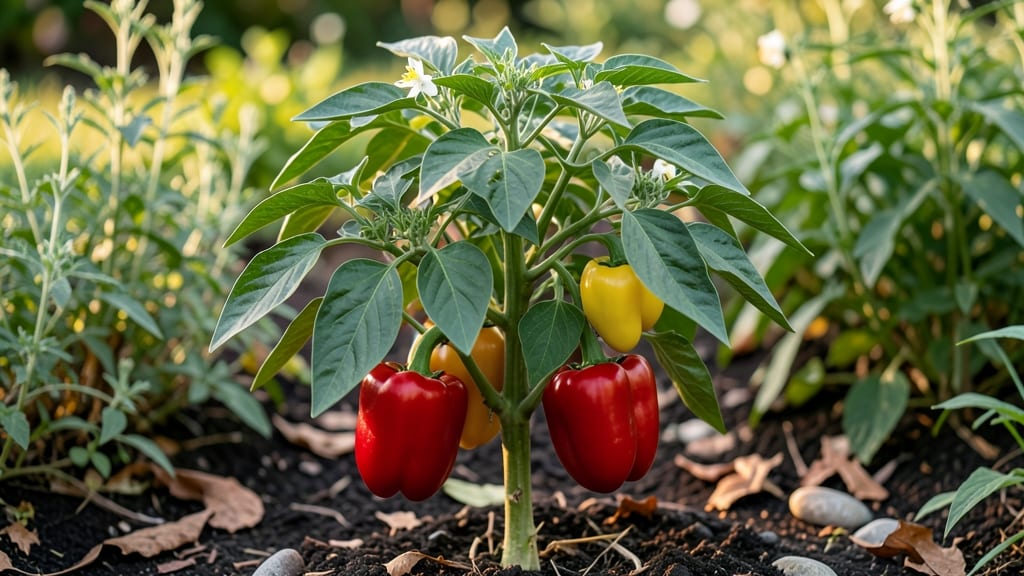
Wondering how tall do red bell pepper plants grow before you sketch out your garden beds? You’re not alone—this is one of the first questions I ask myself every spring, because those 🌶️ beauties can surprise you with their size if you’re not prepared.
The truth is, red bell pepper plants typically reach between 2 to 4 feet at maturity, but their height depends entirely on the variety you choose. Some stay compact and bushy, perfect for small gardens, while others grow taller and may need support to prevent sprawling.
Knowing this upfront can mean the difference between a thriving harvest and a crowded, struggling patch.
If you’re planning your layout, here’s what you need to know: dwarf varieties stay under 2.5 feet, making them ideal for containers or tight spaces, while standard types can stretch toward 4 feet—sometimes even taller if left unpruned.
The good news? With the right care, you can control their growth and maximize your harvest without sacrificing space.
Let’s break down exactly how height varies by type, when to provide support, and the simple tricks to keep your red bell peppers growing strong—so you can enjoy a bountiful yield without the guesswork.


Red bell pepper plant height by variety: exact growth ranges
Understanding the mature height of your red bell pepper plants is crucial for proper garden planning. Most varieties reach between 2 to 4 feet, but some dwarf types stay as short as 1.5 feet.
The height difference isn't just about aesthetics—it impacts spacing, support needs, and even yield potential. For example, Apache peppers max out at 2.5 feet, making them perfect for containers, while Carmen varieties can stretch to 4 feet if left unsupported.
I’ve grown both compact and standard varieties, and the space savings with dwarf types is remarkable. A 3-foot-tall plant needs about 18 inches of space between neighbors, while taller varieties may require 24 inches to prevent competition.
This variance explains why some gardeners swear by NuMex Sandia (3 feet) for raised beds, while others prefer Lady Bell (2 feet) for small urban gardens.
Here’s the key insight: height isn’t fixed. Pruning, sunlight exposure, and soil fertility can influence how tall your plants grow. A Carmen pepper in full sun might reach 4 feet, but the same variety in partial shade could stay under 3 feet.
Even within the same variety, individual plants can vary by 6 to 12 inches.
Now, let’s break down the exact heights for popular red bell pepper varieties to help you plan your garden layout with precision.
| Variety | Mature Height | Best For | Spacing Needs |
|---|---|---|---|
| Apache | 1.5–2.5 ft | Containers, small gardens | 12–18 in |
| Lady Bell | 2–3 ft | Raised beds, urban gardens | 18 in |
| Carmen | 3–4 ft | In-ground gardens, trellises | 24 in |
| NuMex Sandia | 3 ft | Standard gardens, support needed | 20 in |
| Red Knight | 2.5–3.5 ft | Greenhouses, trellises | 18–24 in |
When choosing varieties, consider your garden space and support options. For example, Apache peppers thrive in 5-gallon containers, while Carmen varieties need sturdy cages or trellises to prevent sprawling. I’ve seen NuMex Sandia plants reach 4 feet when grown vertically, but they’ll stay shorter if left unpruned.
Another factor to watch is soil fertility. Over-fertilizing can lead to excessive leafy growth at the expense of fruit production, while under-fertilizing may stunt height. A balanced 10-10-10 fertilizer applied every 4–6 weeks keeps plants growing steadily without overreaching.
I’ve noticed that plants in rich compost-amended soil often grow 6–12 inches taller than those in poor soil.
If you’re growing red bell peppers in containers, opt for dwarf varieties like Apache or Lady Bell. These stay under 2.5 feet, making them ideal for balconies or patios.
For in-ground planting, taller varieties like Carmen or Red Knight can be trained to grow vertically, saving space and improving air circulation—reducing the risk of fungal diseases.
Pro tip: Measure your plants at 4–6 weeks after transplanting. If they’re growing faster than expected, consider pruning the lower leaves to redirect energy to fruit production. This technique works especially well for Carmen peppers, which can become leggy without guidance.
Finally, remember that height isn’t the only factor—spread matters too. Some varieties, like NuMex Sandia, develop a wide canopy even if they’re not tall. Always leave extra space for branches to sprawl unless you’re using a trellis system.
With the right variety and care, your red bell peppers will grow to their ideal height while producing a bountiful harvest.
Red bell pepper plant height by variety: exact growth ranges
When planning your garden, knowing the exact mature height of red bell pepper plants helps you optimize space and avoid overcrowding. Most varieties reach 2 to 4 feet tall, but dwarf and standard types vary significantly.
For example, the Apache variety stays compact at 18-24 inches, while Carmen can tower to 36 inches or more.
Understanding these differences ensures you choose the right variety for your garden layout. Compact varieties like NuMex Sandia (20-24 inches) work well in containers or small spaces, while taller types need more room to sprawl.
Always check the seed packet or plant tag for specific height ranges—this prevents surprises later in the season.
| Variety | Mature Height | Best For |
|---|---|---|
| Apache | 18-24 inches | Containers, small gardens |
| NuMex Sandia | 20-24 inches | Bush gardens, raised beds |
| Carmen | 30-36 inches | Trellises, larger spaces |
| Red Knight | 24-30 inches | Balconies, small plots |
Taller varieties like Carmen often produce more peppers but require staking or trellising to prevent sprawling. If you’re growing in containers, opt for dwarf types like Apache—they thrive in 5-gallon pots with proper drainage. Always space plants 18-24 inches apart to allow airflow and reduce disease risk.
Pruning can also influence height. Pinching back side shoots early in the season encourages bushier growth, while allowing the plant to grow taller may increase yield. For maximum height control, prune regularly but avoid cutting more than one-third of the plant at a time to prevent stress.
Soil quality plays a role too. Well-draining, nutrient-rich soil helps red bell peppers reach their full potential height. Amend your soil with compost or aged manure before planting to ensure healthy root development. Overcrowding or poor soil can stunt growth, so prioritize these factors from the start.
Finally, remember that climate matters. In cooler regions, red bell peppers may grow slightly shorter due to slower maturation. If you’re in USDA Zone 8 or below, choose early-maturing varieties like NuMex Sandia to ensure they reach even their minimum height before frost.