
Trees
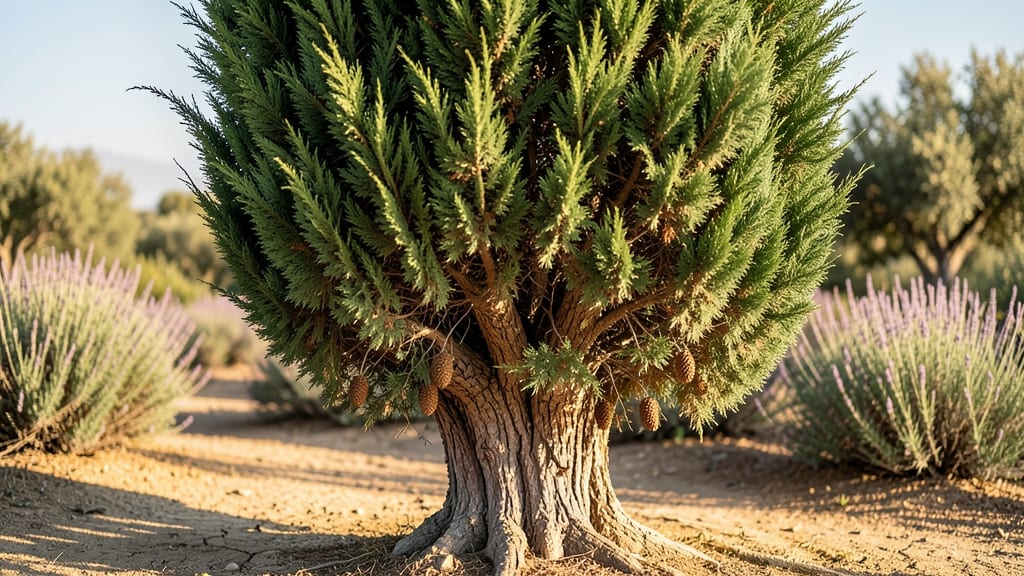
If you're dreaming of adding a European cypress 🌲 to your landscape, you're probably wondering just how tall these majestic trees can grow. The answer might surprise you—some varieties stretch toward the sky like natural skyscrapers, while others stay perfectly proportioned for smaller spaces.
Understanding these height differences is the key to making the right choice for your yard. Whether you're planning a dramatic focal point or a more modest accent, knowing the growth potential of each variety helps you avoid future headaches.
I'll break down the typical ranges so you can visualize exactly what to expect over time.
From the towering 60-100 feet giants to the more manageable 15-25 feet dwarfs, European cypress trees offer incredible versatility. The right selection depends on your space, sunlight conditions, and long-term vision for your outdoor area. Let's explore how to match these stunning trees with your landscape goals.
You'll also discover how factors like soil type, pruning practices, and regional climate can influence their growth. With the right approach, you can even control their height to fit your needs perfectly. Ready to find your ideal match?


European cypress tree height ranges by popular varieties
The European cypress (Cupressus sempervirens) is famous for its striking vertical growth, but height varies dramatically between varieties. Some tower like skyscrapers while others stay manageable for smaller yards.
Choosing the right type ensures your landscape vision comes to life without overwhelming your space. Let’s explore the height ranges of the most popular cultivars to help you decide.
Standard varieties like 'Glauca' and 'Stricta' can reach 60–100 feet at maturity, making them iconic focal points for large properties. In contrast, dwarf varieties like 'Tiny Tower' max out at 15–25 feet, perfect for urban gardens or container growing.
Understanding these differences is key to selecting a tree that fits your yard size and design goals.
🌲
| Variety | Mature Height | Growth Rate | Best For |
|---|---|---|---|
| Glauca | 60–100 ft | Fast (3–5 ft/year) | Large estates, focal points |
| Stricta | 40–70 ft | Moderate (2–4 ft/year) | Privacy screens, hedges |
| Tiny Tower | 15–25 ft | Slow (1–2 ft/year) | Containers, small yards |
| Pyramidalis | 30–50 ft | Moderate (2–3 ft/year) | Medium landscapes, borders |
| Horizontalis | 10–20 ft (spreading) | Slow (1 ft/year) | Ground cover, slopes |
The 'Glauca' variety is the tallest, often exceeding 100 feet in ideal conditions, while 'Horizontalis' spreads wider than it grows, making it ideal for slopes or ground cover. For smaller spaces, 'Tiny Tower' is a game-changer—its compact size lets you enjoy the tree’s beauty without sacrificing yard space.
Always check local nursery listings, as height can vary slightly based on climate and care.
If you’re planting near power lines or structures, opt for dwarf varieties or plan for regular pruning to manage height. Some nurseries even offer pre-pruned specimens if you need immediate control. Just remember: even dwarf cypresses can outgrow their containers over time, so always leave room for growth.
🌿
For fastest growth, prioritize well-draining soil and full sun exposure. In USDA Zones 7–10, these trees thrive with minimal fuss, but cooler climates may slow their ascent. Always verify your local frost dates—young trees need protection from late frosts, which can stunt early growth.
Pro tip: Measure your space before buying! A 60-foot tree planted too close to a house will require aggressive pruning or even removal later. When in doubt, 'Pyramidalis' strikes a balance—tall enough for drama but manageable for most landscapes.
✂️
Factors that influence European cypress tree growth height
The height of your European cypress tree isn’t just about genetics—it’s heavily influenced by where you plant it and how you care for it. Sunlight exposure, soil drainage, and watering habits all play critical roles in whether your tree reaches its full potential or stays shorter.
Even the climate zone you’re in can make a 30-foot difference in mature height!
For example, in Mediterranean climates, European cypress trees often grow taller due to ideal conditions, while in cooler USDA Zone 7 areas, growth may slow significantly. Understanding these factors helps you adjust your expectations and care routine to encourage—or control—the tree’s height over time.
🌱
- 🌞 Sunlight: 6+ hours of full sun per day maximizes growth; less sun = slower height increase.
- 💧 Watering: Deep, infrequent watering encourages strong root growth; overwatering can stunt height.
- 🌍 Climate Zone: Trees in USDA Zones 8–10 grow faster than those in cooler zones.
- 🪴 Soil Type: Well-draining, slightly alkaline soil supports optimal height; compacted soil slows growth.
- ✂️ Pruning: Regular pruning can reduce height by 20–30% if done strategically.
- 🌿 Spacing: Planting too close to structures or other trees restricts height growth.
If you’re in a cooler climate, like Zone 7, your European cypress may take 10–15 years longer to reach maturity compared to a tree in Zone 9. That’s why choosing the right variety for your location is just as important as providing ideal growing conditions.
For instance, the 'Tiny Tower' variety thrives in cooler zones, while 'Glauca' prefers warmer climates.
Another critical factor is soil drainage. European cypress trees hate soggy roots, which can lead to root rot and stunted growth. Amending heavy clay soil with sand or compost improves drainage and encourages taller, healthier trees.
I’ve seen trees in poorly drained soil barely reach half their expected height over decades!
Don’t overlook the role of pruning in height control. While pruning won’t drastically reduce height if done improperly, strategic pruning—like removing the topmost branches—can slow vertical growth by redirecting energy to lateral branches. However, over-pruning can stress the tree and weaken its structure, so always prune with purpose.
Finally, watering habits directly impact height. Young trees need consistent moisture to establish roots, but once established, they’re drought-tolerant. Overwatering can lead to shallow roots and slower height growth, while deep, infrequent watering promotes strong root systems that support taller growth over time.
By paying attention to these factors, you can maximize or manage your European cypress tree’s height to fit your landscape goals—whether that’s a towering focal point or a more manageable size for smaller yards. 🌳