
Flowers
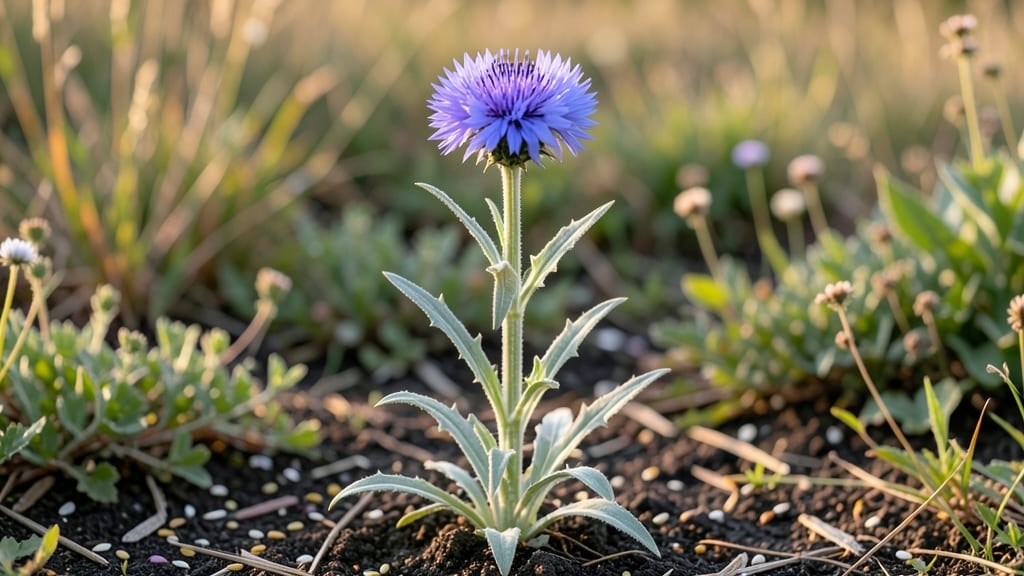
If you’ve ever wondered how tall do cornflowers grow before planting, the answer isn’t just about variety—it’s about the right spacing, sunlight, and a little pruning know-how.
These cheerful blue blooms can surprise you with their height, ranging from compact 1-foot dwarfs to towering 4-foot giants, depending on the type you choose.
For gardeners planning layouts, getting this right means the difference between a crowded flowerbed and one that pops with height and color. I’ll break down the exact growth ranges for popular varieties, like the ‘Black Star’ or ‘Blue Boy’, so you can pick the perfect fit for your space.
But here’s the kicker: even the tallest cornflowers need the right conditions to thrive. Too much shade or poor soil can stunt their growth, while proper sunlight and spacing let them reach their full potential. Let’s dive into the specifics so you can grow cornflowers that stand out—literally.
Ready to transform your garden? You’ll learn how to maximize height, avoid flopping blooms, and even support taller varieties with simple tricks. Let’s get started!


Cornflower height by variety: exact growth charts for popular types
When planning your garden, knowing exactly how tall your cornflowers will grow helps you avoid overcrowding and create stunning visual layers.
Most cornflower varieties (Centaurea cyanus) reach heights between 1 to 4 feet, but some dwarf types stay as short as 12 inches, while tall varieties can tower up to 48 inches. Choosing the right variety for your space ensures both beauty and balance.
The height of your cornflowers depends heavily on the specific cultivar. For example, the classic 'Blue Boy' variety typically grows 2 to 3 feet tall, making it perfect for mid-border plantings.
Meanwhile, 'Black Star' reaches 3 to 4 feet, ideal for adding drama to the back of a flowerbed. Even within the same species, genetics play a huge role—so always check seed packets for exact growth expectations.
Here’s a quick comparison of popular cornflower varieties and their mature heights to help you plan:
| Variety | Height Range | Best For |
|---|---|---|
| 'Blue Boy' | 2–3 ft | Mid-border, cut flowers |
| 'Black Star' | 3–4 ft | Back of borders, tall arrangements |
| 'Moonlight' | 1–2 ft | Front of borders, containers |
| 'Carmen' | 2–3 ft | Pollinator gardens, wildflower mixes |
| 'Alba' | 2–3 ft | White accents, cottage gardens |
| 'Ruby Wedding' | 3–4 ft | Dramatic red-purple blooms, backdrops |
| 'Dwarf Blue' | 1–1.5 ft | Rock gardens, window boxes |
All heights are mature sizes under ideal growing conditions (full sun, well-draining soil).
If you’re working with limited space, dwarf cornflowers like 'Moonlight' or 'Dwarf Blue' are game-changers. They thrive in containers or rock gardens while still delivering those iconic blue blooms.
For larger gardens, taller varieties like 'Black Star' or 'Ruby Wedding' create stunning focal points when planted in clusters of 3 to 5 stems. Just remember: taller cornflowers may need staking or support in windy areas to prevent flopping.
Another factor that influences height is soil fertility. Cornflowers are light feeders—too much nitrogen can lead to lush foliage but fewer blooms and shorter stems.
Instead, focus on well-draining soil with a balanced fertilizer (like 5-10-10) applied once in early spring and again after the first flush of blooms. Over-fertilizing is a common mistake that stunts height and weakens stems.
For gardeners in USDA Zone 6a or warmer, cornflowers are annuals that self-seed prolifically, meaning you’ll often see returning plants year after year. This trait also means their height can vary slightly from year to year, especially if they’re growing in partial shade (where they’ll typically be shorter).
To encourage maximum height, plant in full sun (6+ hours daily) and deadhead spent blooms to redirect energy into stem growth.
Pro tip: If you’re using cornflowers in cut flower arrangements, choose taller varieties like 'Black Star' or 'Ruby Wedding' for dramatic bouquets.
For pollinator gardens, mix heights—plant dwarf types near the front and taller varieties in the back to create a layered effect that attracts bees and butterflies at every level.
🌼
Ideal spacing & planting tips to maximize cornflower height
Cornflowers thrive when given the right space to stretch their stems toward the sun. Proper spacing isn’t just about preventing overcrowding—it’s about ensuring each plant reaches its maximum height potential.
For standard varieties like ‘Blue Boy’, aim for 18–24 inches between plants, while dwarf types (1–2 feet tall) only need 6–12 inches of elbow room. This spacing lets roots access nutrients and sunlight, which directly impacts stem strength and bloom production.
If your garden is small, consider dwarf cornflowers like ‘Moonlight’ (1–2 feet) or ‘Black Star’ (2–3 feet). These varieties are perfect for container gardens or window boxes, where space is limited.
For larger borders or cottage-style gardens, taller varieties like ‘Blue Pearl’ (3–4 feet) will shine when planted 24–36 inches apart. Think of spacing as an investment in taller, healthier stems that won’t flop under the weight of blooms.
🌱 Cornflower Spacing & Height Guide
| Variety | Height Range | Spacing (inches) | Best For |
|---|---|---|---|
| Dwarf (e.g., 'Moonlight') | 1–2 ft | 6–12 | Containers, borders |
| Semi-Dwarf (e.g., 'Black Star') | 2–3 ft | 12–18 | Mixed beds, cut flowers |
| Standard (e.g., 'Blue Boy') | 3–4 ft | 18–24 | Back of borders, cottage gardens |
| Tall (e.g., 'Blue Pearl') | 3–4 ft | 24–36 | Wildflower meadows, tall beds |
💡 Pro Tip: Always space cornflowers wider than their mature height to allow airflow and reduce disease risk.
Sunlight is the secret weapon for coaxing cornflowers to their full height. These sun-lovers need at least 6 hours of direct sunlight daily, but 8+ hours will produce the tallest, sturdiest stems.
If your garden is shady, opt for dwarf varieties or supplement with a reflective surface (like a white wall or mirror) to bounce extra light onto the plants. Poor lighting leads to leggy, weak stems that flop under blooms—so choose your planting spot wisely.
Soil health plays a surprising role in cornflower height. While they’re drought-tolerant once established, they prefer well-draining, slightly alkaline soil (pH 6.0–7.5). Amend heavy clay with compost or sand to prevent root rot, which can stunt growth.
Avoid over-fertilizing with nitrogen—too much promotes leafy growth at the expense of tall, flower-filled stems. A light feeding of 5-10-10 fertilizer in early spring is enough to encourage strong root development without excessive foliage.
Pruning isn’t just for shaping—it’s a tool to encourage taller growth. Deadhead spent blooms regularly to redirect the plant’s energy into producing more flowers on taller stems.
For varieties prone to flopping (like ‘Blue Pearl’), pinch back the tips of young plants to promote bushier, more stable growth.
And if you’re growing cornflowers for cut flowers, harvest stems when 1/3 of the buds are open to extend their vase life and encourage the plant to produce even taller replacements.
For container growers, choose dwarf or semi-dwarf varieties and plant 3–5 seeds per 12-inch pot. Use a lightweight potting mix with perlite to prevent compaction, and place containers in full sun.
Water consistently—containers dry out faster than garden beds—and fertilize lightly every 4–6 weeks to avoid stunting growth. With the right care, even container-grown cornflowers can reach 80% of their mature height, making them perfect for balconies and patios.