
Plants
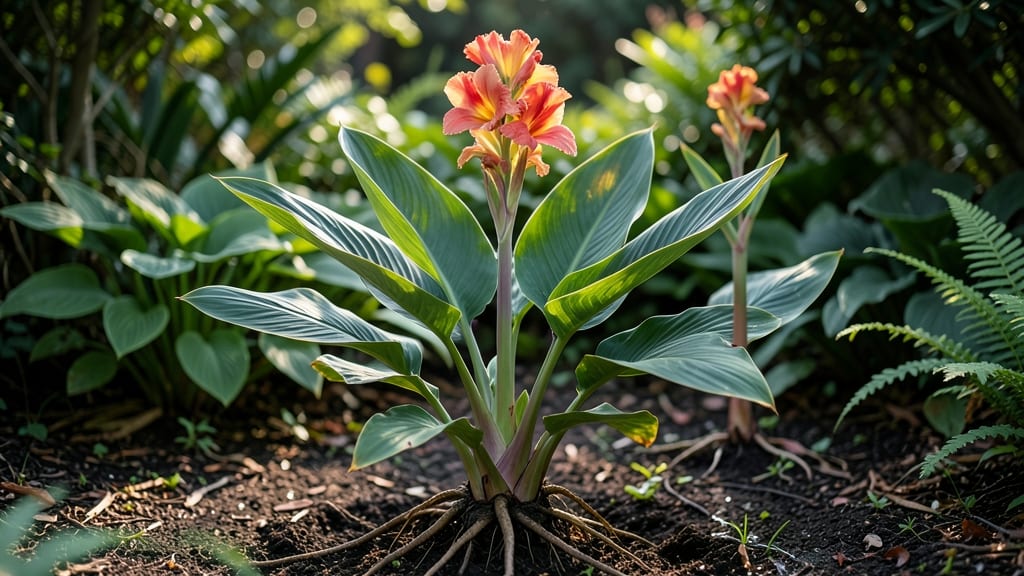
If you're wondering how tall do canna plants grow, get ready to be impressed—these tropical beauties can shoot up to 7 feet or more, making them a showstopper in any garden!
The stunning 🌺 canna lily isn't just about height, though; it's about transforming your outdoor space into a vibrant, lush paradise with minimal effort.
Whether you're working with a spacious backyard or a cozy balcony, understanding canna growth patterns helps you plan your garden layout like a pro. Some varieties stay compact at just 3-4 feet, perfect for containers, while others reach towering heights that demand sturdy support.
The key is knowing which type fits your space—and how to encourage healthy growth.
I’ll break down the tallest canna varieties, share space-saving tips for smaller gardens, and reveal simple tricks to control their height without sacrificing those breathtaking blooms. Ready to turn your garden into a canna-lily oasis? Let’s dive in!
From selecting the right cultivar to mastering pruning techniques, you’ll discover everything you need to grow cannas that thrive—no matter how much (or little) room you have. Let’s make your garden the talk of the neighborhood!


Canna lily height guide: tallest varieties & their growth expectations
Canna lilies are famous for their bold foliage and vibrant blooms, but their height range can vary dramatically depending on the variety and growing conditions.
If you're planning your garden layout, knowing these growth expectations will help you choose the perfect spot—whether that's a sunny border or a striking container display. Some cannas reach towering heights of 7 feet, while others stay compact at just 2 feet tall.
Understanding these differences is key, especially if you're working with limited space or want to create a layered garden effect. The tallest canna varieties often need staking or support, while dwarf types thrive in containers or small garden beds.
Let’s break down the height expectations for popular canna lilies so you can pick the perfect fit for your garden vision.
🌺 Height Comparison at a Glance
| Variety | Height Range | Growth Rate | Best For |
|---|---|---|---|
| Dwarf Canna ('Pyramid') | 2–3 ft | Slow to moderate | Containers, small gardens |
| Semi-Dwarf ('Cleopatra') | 3–4 ft | Moderate | Border plantings, medium pots |
| Standard ('Durban') | 5–6 ft | Fast | Back of borders, tall containers |
| Giant ('Australia') | 6–8 ft | Very fast | Large gardens, tropical landscapes |
| Hybrid ('Striped Real McCoy') | 4–5 ft | Moderate | Mixed borders, cut flower gardens |
As you can see, the tallest canna varieties like 'Australia' can reach heights comparable to a standard door frame, making them perfect for creating a dramatic focal point in your garden. Meanwhile, dwarf varieties like 'Pyramid' are ideal for patios or windowsills where space is limited.
The growth rate also varies—some cannas shoot up quickly in a single season, while others develop more gradually.
If you're growing cannas in containers, opt for dwarf or semi-dwarf varieties to avoid overwhelming small spaces. Even tall varieties can thrive in large pots (at least 12–18 inches wide) if you provide sturdy support.
The key is to match the variety height with your garden’s layout and your personal style—whether that’s bold and towering or compact and charming.
Another factor influencing height is the age of the plant. In their first year, cannas often stay shorter (around 3–5 feet), but by their second or third year, they can reach their full mature height.
This means if you’re planting cannas in a small garden, you might need to prune or stake them to control their growth over time.
For sunlight lovers, cannas thrive in full sun (6+ hours daily), which encourages taller growth. However, if you live in a hot, dry climate, providing some afternoon shade can prevent leggy growth and keep stems sturdy.
The soil quality also plays a role—rich, well-draining soil with plenty of organic matter will help cannas reach their full potential height.
One of my favorite tricks for managing height is to plant cannas in groups. Even tall varieties can look intentional when clustered together, creating a lush, tropical backdrop. Pair them with shorter plants like caladiums or impatiens to add texture and contrast.
This way, you get the dramatic height you love without sacrificing balance in your garden design.
If you're unsure which variety to choose, start with a mix of heights to see what works best in your space. Many nurseries sell canna rhizomes labeled with their expected mature height, so you can plan accordingly.
And remember, cannas are perennial in warm climates (USDA zones 8–11), so they’ll continue to grow and thrive year after year with the right care.
For those in cooler climates, cannas can be treated as tender perennials—dig up the rhizomes in fall, store them in a cool, dry place, and replant them the following spring. This ensures you can enjoy their full height potential every season without worrying about winter damage.
Now that you
How to control canna plant height: pruning, staking & space-saving techniques
If your canna lilies are reaching for the sky faster than you expected, don’t worry—there are simple ways to manage their height and shape.
Whether you’re growing them in garden beds or containers, these techniques will help you keep them at your desired size without sacrificing their stunning blooms. The key is understanding when and how to intervene, so your cannas stay both healthy and manageable.
First, let’s talk about pruning for bushier growth. Cannas naturally grow tall, but strategic pruning can encourage more side shoots and fuller foliage. The best time to prune is in early summer, just as the plant starts to shoot up.
Simply snip off the top few inches of the main stem—this signals the plant to produce new branches, creating a thicker, more compact appearance. Just avoid cutting into the rhizome, as this can damage the root system.
Step-by-Step Guide to Managing Canna Height
- Step 1: Prune for bushiness – Trim the top 2-3 inches of the main stem in early summer to encourage side shoots.
- Step 2: Stake tall varieties – Use bamboo stakes or trellises to support stems over 5 feet tall and prevent flopping.
- Step 3: Choose dwarf varieties – Opt for ‘Pyramid’ or ‘Hawaiian Sunset’, which max out at 3-4 feet and thrive in containers.
- Step 4: Deadhead spent blooms – Remove faded flowers to redirect energy to new growth and prevent leggy stems.
- Step 5: Divide rhizomes yearly – Split overcrowded clumps every 2-3 years to refresh growth and control height.
For tall canna varieties like ‘Australia’ or ‘Cleopatra’, staking is essential to keep them upright. Insert 3-4 foot bamboo stakes around the plant when it reaches 3 feet tall, then gently tie the stems to the stakes with soft plant ties or twine.
This prevents the heavy foliage from bending or breaking in wind or rain. If you’re growing cannas in containers, choose a pot with a wide base to provide stability and reduce the need for staking.
If space is a concern, dwarf canna varieties are your best bet. Varieties like ‘Tropicanna Red’ or ‘Striped Beauty’ typically stay between 2-4 feet tall, making them perfect for patio containers, window boxes, or small gardens.
These compact types also bloom prolifically, giving you big impact in small spaces. Just ensure they get full sun and well-draining soil to prevent leggy growth.
Another pro tip: deadhead spent blooms regularly. Removing faded flowers redirects the plant’s energy toward producing new shoots rather than seeding. This keeps the plant compact and bushy while encouraging continuous blooming throughout the season.
Pair this with a light fertilizer application every 4-6 weeks to support strong, sturdy growth without excessive height.
Finally, don’t forget to divide and refresh your canna rhizomes every 2-3 years. Over time, clumps can become overcrowded, leading to taller, weaker stems. In early spring, carefully dig up the rhizomes, separate the sections, and replant them.
This rejuvenates growth and helps maintain a manageable height while preventing disease and pests.