
Size
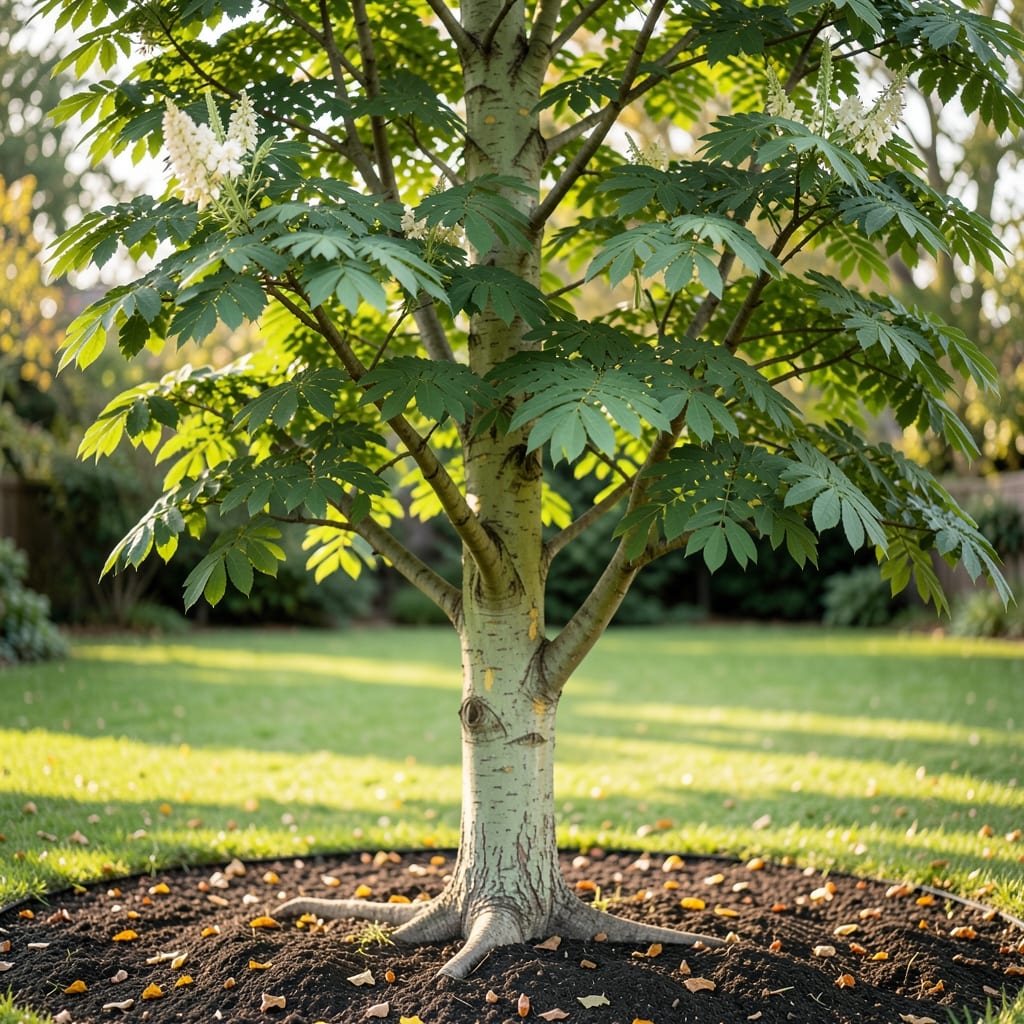
If you're wondering how tall do black locust trees grow, you're about to discover why this hardy 🌳 is a favorite among gardeners and landscapers alike—it can reach staggering heights of 30 to 60 feet under the right conditions.
That’s right, these trees aren’t just fast growers; they’re also some of the tallest native species in North America. Whether you’re planning a privacy screen or a shade tree, understanding their growth potential is key to making the best choices for your space.
What’s even more impressive is their growth rate—you can expect 3 to 5 feet of growth per year in ideal conditions. But don’t worry, we’ll cover how to manage their size if needed, so you can enjoy their beauty without losing control.
From soil preferences to pruning tips, I’ll walk you through everything you need to know to get the most out of your black locust tree—whether you’re planting one for the first time or already have one in your yard.


Black locust tree height by variety: exact growth ranges and mature sizes
When it comes to black locust tree height, you’re looking at one of the fastest-growing native trees in North America. Under ideal conditions, these trees can reach 30 to 60 feet tall, making them perfect for privacy screens, shade, or even as a stunning focal point in your landscape.
The standard black locust (Robinia pseudoacacia) is the most common variety, and it’s known for its impressive size. But what if you’re working with limited space? Unfortunately, there are no true dwarf varieties of black locust, but we’ll explore how to manage their growth naturally.
Here’s a quick breakdown of what to expect from different growing conditions and varieties:
| Variety | Mature Height Range | Notes |
|---|---|---|
| Standard Black Locust | 30–60 ft | Fastest-growing variety; thrives in full sun and well-drained soil. |
| 'Frans Fontaine' | 20–30 ft | Slightly smaller but still robust; great for smaller yards. |
| 'Inermis' | 35–50 ft | Thornless variety; ideal for urban landscapes. |
| Wild Type (Natural Variants) | 40–60 ft | Highly variable; often taller in forest settings. |
If you’re planting a black locust for a privacy screen, aim for at least 3 rows spaced 10–15 feet apart to ensure full coverage. In just 5–7 years, you’ll have a dense, natural barrier that blocks noise and wind while adding value to your property.
The 'Inermis' variety is a fantastic choice if you’re concerned about thorns, as it’s completely thornless while still reaching impressive heights. This makes it safer for families with kids or pets who might play near the tree.
For those in USDA Zones 4–9, black locust trees are incredibly adaptable. They thrive in full sun and can tolerate a wide range of soil types, though they prefer well-drained soil to avoid root rot. In poorer soil conditions, their growth rate may slow slightly, but they’ll still reach maturity over time.
One surprising fact about black locust trees is their nitrogen-fixing ability. Their roots form symbiotic relationships with bacteria that pull nitrogen from the air, enriching the soil and benefiting nearby plants. This makes them an excellent choice for reforestation projects or restoring degraded land.
If you’re wondering how to control the height of your black locust, don’t worry—we’ll cover pruning strategies in the next section. For now, focus on giving your tree the space it needs to grow strong and healthy.
Ready to plant? Choose the variety that fits your space and goals, and watch as your black locust transforms your landscape in just a few short years. 🌳
Black locust tree height by variety: exact growth ranges and mature sizes
When it comes to how tall do black locust trees grow, the answer is nothing short of impressive. These trees are known for their rapid growth and towering stature, often reaching heights that will leave you in awe. The standard black locust (Robinia pseudoacacia) typically matures between 30 to 60 feet, with some exceptional specimens exceeding 70 feet in ideal conditions.
If you're envisioning a privacy screen or a shade provider for your property, understanding these height ranges is crucial. The black locust's ability to grow so tall makes it a standout choice for large landscapes, but it also means careful planning is needed to ensure it fits your space.
Here’s a quick breakdown of what to expect from different black locust varieties, including their mature heights and growth characteristics:
| Variety | Mature Height Range | Growth Rate (Annual) | Key Notes |
|---|---|---|---|
| Standard Black Locust | 30–60 ft | 3–5 ft/year | Fast-growing, drought-tolerant, and nitrogen-fixing. |
| 'Frisia' (Golden Black Locust) | 25–40 ft | 2–4 ft/year | Slower growth than standard; prized for golden foliage. |
| 'Decaisneana' (Weeping Black Locust) | 20–30 ft | 2–3 ft/year | More compact with a graceful, weeping habit. |
While the standard black locust is the most common and fastest-growing variety, the 'Frisia' and 'Decaisneana' cultivars offer unique features like golden foliage and a more compact form. If you're working with limited space, these alternatives can be a great way to enjoy the black locust’s beauty without sacrificing too much height.
One thing to keep in mind is that black locust trees thrive in full sun and well-drained soil. Poor soil conditions or shade can slow their growth significantly, so choosing the right location is key to achieving their full height potential.
For those considering black locusts for windbreaks or wildlife habitats, their mature height and rapid growth make them an excellent choice. Just be prepared for their impressive stature—these trees aren’t for small yards!