
Size
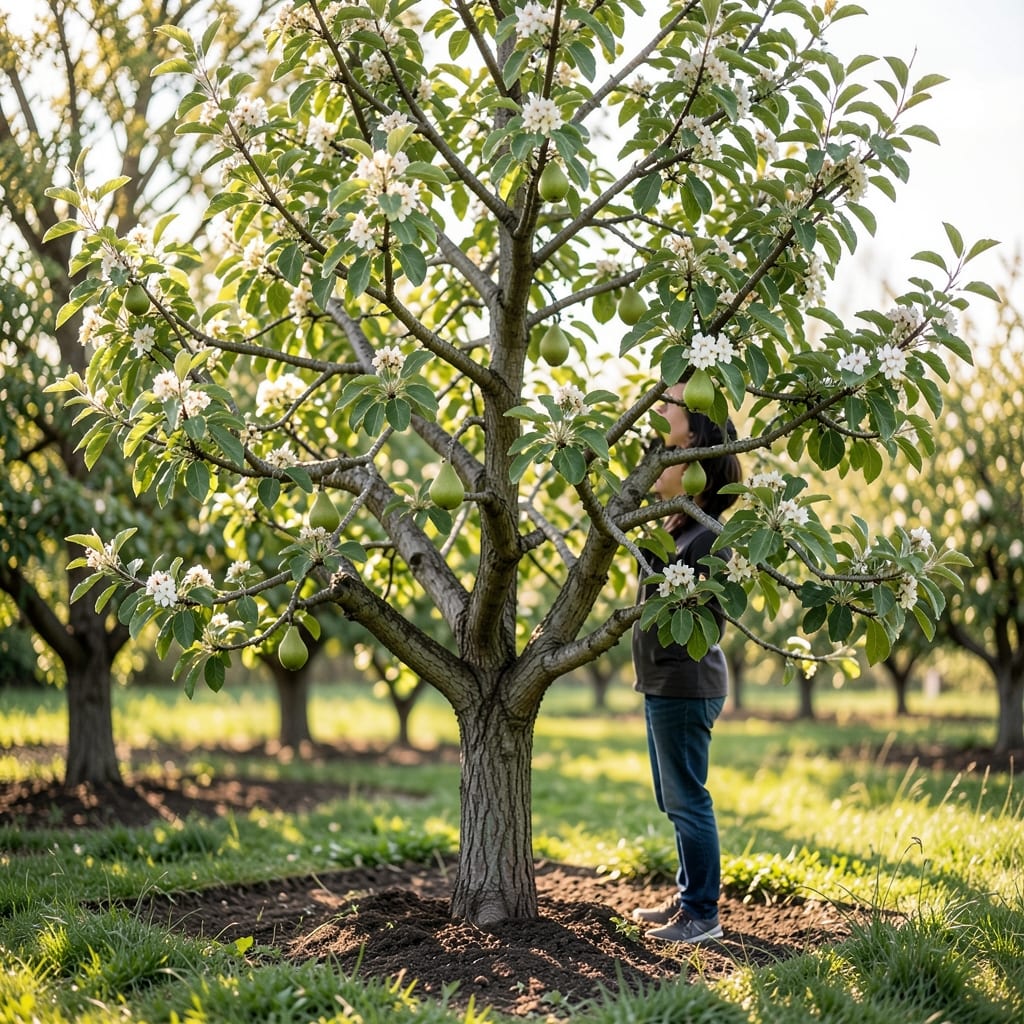
Curious about how tall do Asian Pear Trees 🍐 grow? The answer might surprise you—some varieties stretch toward the sky like skyscrapers, while others stay cozy enough for even small backyards. Whether you're planning a fruit-filled orchard or just want shade for your patio, knowing the mature height of these trees is the key to making the right choice.
Most Asian Pear Trees in USDA Zone 6a reach 20 to 40 feet at maturity, towering over your average two-story house. But here's the game-changer: dwarf varieties can stay as short as 8 to 12 feet, perfect for containers or tight spaces. The right variety could mean the difference between a sprawling orchard and a compact, manageable tree.
Your tree's final height depends on more than just genetics—pruning, soil quality, and even your local climate play a role. With the right care, you can keep a full-sized tree in check or encourage a dwarf variety to thrive. Let’s break down what you need to know to pick the perfect height for your garden.
From spring planting to fall harvest, understanding these growth patterns will help you plan for success. Whether you're dreaming of a backyard orchard or just want a few pears for your kitchen, we’ll cover everything you need to know to get started.


Asian pear tree height by variety: from dwarf to giant sizes
Asian pear trees (Pyrus pyrifolia) are stunning additions to any garden, but their mature height can vary dramatically depending on the variety. Some stay small enough for containers, while others become towering giants that need an entire orchard. Understanding these differences helps you plan your space and choose the perfect tree for your needs.
Most standard Asian pear varieties reach heights between 20 and 40 feet at maturity, but dwarf and semi-dwarf options can stay under 15 feet. This range means you can grow them in everything from urban backyards to sprawling orchards. The key is selecting the right variety for your available space and desired fruit production.
Here’s how popular Asian pear varieties compare in terms of height, growth rate, and ideal spacing. This comparison will help you visualize which trees will thrive in your garden and how much room they’ll need to spread their branches.
| Variety | Mature Height | Growth Rate | Ideal Spacing | Best For |
|---|---|---|---|---|
| 'Kosui' | 25–35 ft | Moderate (12–18 in/year) | 20–25 ft apart | Orchards, large yards |
| 'Niitaka' | 30–40 ft | Slow to moderate (10–15 in/year) | 25–30 ft apart | Commercial orchards |
| 'Hosui' | 15–20 ft | Moderate (15–20 in/year) | 15–20 ft apart | Home gardens, small orchards |
| 'Shinseiki' | 20–30 ft | Moderate (12–18 in/year) | 20 ft apart | Urban orchards, large containers |
| Dwarf varieties (e.g., 'Chojuro' on dwarfing rootstock) | 8–12 ft | Slow (8–12 in/year) | 10–12 ft apart | Containers, small patios, balconies |
If you’re planning an orchard, spacing is critical. Standard Asian pear trees need at least 20 feet of space between them to avoid overcrowding, while dwarf varieties can thrive in as little as 10 feet. Overcrowding leads to poor air circulation, which increases the risk of fungal diseases like fire blight.
For urban gardeners, dwarf varieties like 'Chojuro' on dwarfing rootstock are game-changers. These trees stay under 12 feet tall and produce abundant fruit, making them perfect for containers or small backyards. Just ensure your container is at least 24 inches in diameter and has drainage holes to prevent root rot.
Climate also plays a role in height. In warmer regions (USDA Zones 7–9), Asian pear trees grow faster and reach their mature height sooner. In cooler climates (Zones 5–6), growth slows, and trees may take 5–7 years longer to reach full size. Always check the specific variety’s hardiness zone before planting.
Pro tip: If you love the idea of Asian pears but have limited space, consider espaliering. This training technique keeps trees flat against a wall or fence, reducing their footprint while maximizing fruit production. It’s a fantastic way to grow 20-foot-tall trees in a 10-foot space!
Whether you're aiming for a shady canopy or a fruit-bearing giant, choosing the right variety ensures your Asian pear tree will thrive—and fit—perfectly in your garden. 🌳
How to control Asian pear tree height: pruning and care tips
Managing the height of your Asian pear tree starts with smart pruning techniques and consistent care practices. Unlike their wild counterparts, cultivated varieties can be shaped to fit your space—whether you want a compact patio tree or a tall orchard staple. The key is timing, tools, and technique.
For young trees, focus on structural pruning in late winter or early spring before buds swell. This removes dead or crossing branches while encouraging a strong framework. Avoid heavy pruning in fall, as it can stimulate late-season growth vulnerable to frost damage.
Use sharp, sterilized pruners to make clean cuts just above a bud or branch collar. Never leave stubs—this invites disease. For height control, target the uppermost branches first, reducing growth by up to 30% per year if needed. Thinning cuts (removing entire branches) work better than heading cuts (trimming back tips).
Soil and nutrition play a huge role in height control. Over-fertilizing with nitrogen fuels rapid vertical growth, while a balanced 10-10-10 fertilizer promotes steady, manageable expansion. Test your soil—Asian pears thrive in slightly acidic soil (pH 6.0-6.5). Amend with compost or organic matter to improve drainage, which reduces stress-related height spikes.
For container-grown trees, choose dwarfing rootstock like 'Old Home x Farmingdale' to cap mature height at 8-12 feet. Use a large pot (20+ gallons) with drainage holes and repot every 2-3 years to refresh soil. Prune roots annually to prevent root-bound stress, which can stunt growth unpredictably.
Monitor your tree’s growth rate annually. If it’s outgrowing its space, adjust pruning intensity or switch to a more compact variety like 'Kosui' (12-15 ft). Remember: patience is key—aggressive pruning can stress the tree, while gradual shaping yields the best results over time. 🪴