
Shrubs
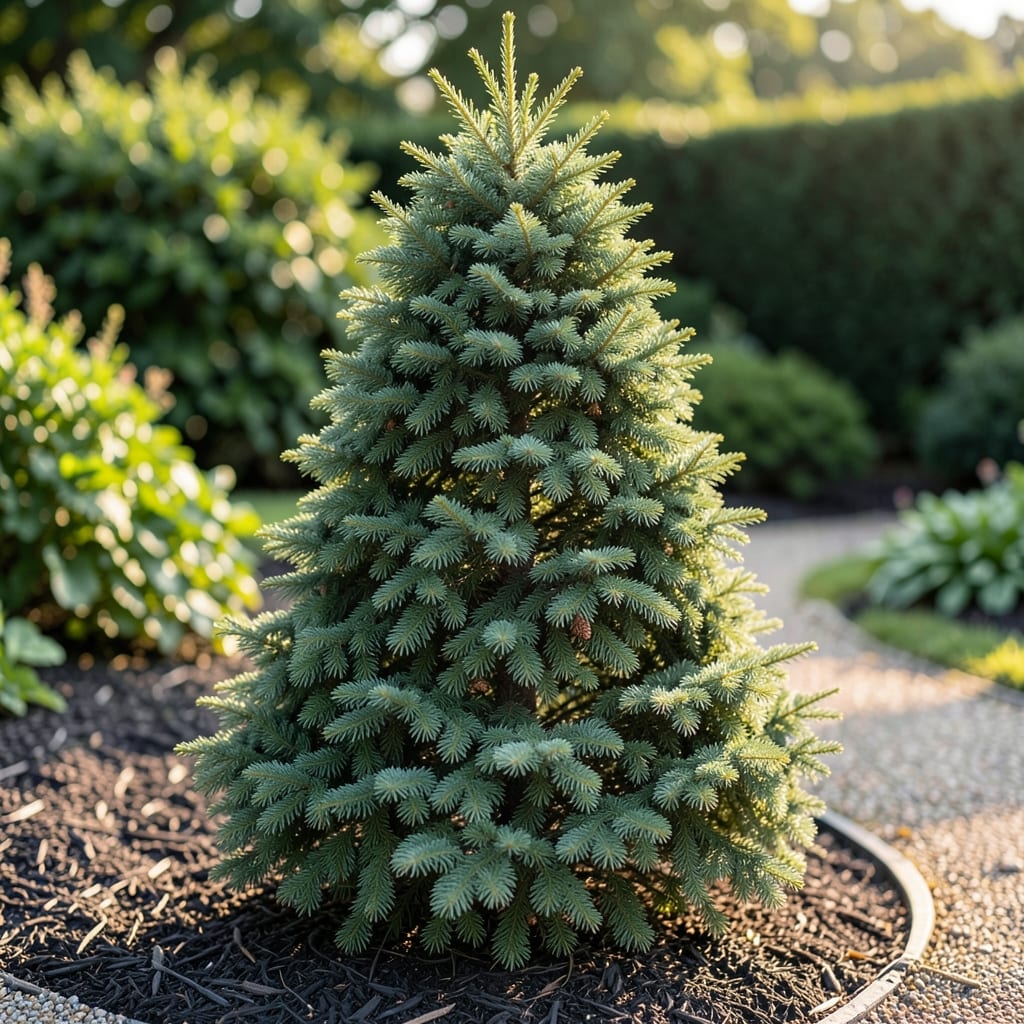
Arborvitae height by variety: mature sizes and growth rates compared
Arborvitaes (Thuja spp.) are stunning evergreens that add year-round structure to any landscape, but their mature height can vary from a compact 3 feet to a towering 60 feet. The right variety makes all the difference—whether you need a privacy screen or a small-space accent plant. Let’s break down the most popular types and their growth habits to help you plan your garden like a pro.
Your choice of arborvitae will determine not just height, but also width, growth rate, and even pruning needs. For example, the Green Giant grows 3 feet per year and reaches 40–50 feet, while the Emerald Green stays a modest 12–15 feet with a slower growth rate. Understanding these differences ensures you pick a tree that fits your space—and your patience level!
🌲 PRO TIP: Always check the mature height and width before planting. A tree labeled "dwarf" can still outgrow its container in just a few years!
| Variety | Mature Height (ft) | Mature Width (ft) | Annual Growth (in) | Best For |
|---|---|---|---|---|
| Green Giant | 40–50 | 12–15 | 12–24 | Privacy screens, windbreaks |
| Emerald Green | 12–15 | 4–6 | 6–12 | Small yards, foundation planting |
| American Plum | 30–40 | 10–12 | 12–18 | Large properties, hedges |
| Teddy Bear | 3–5 | 3–5 | 4–6 | Containers, small gardens |
| Lehman's Cultured | 20–30 | 8–10 | 12–18 | Hedges, medium spaces |
| Golden Globe | 2–3 | 2–3 | 3–6 | Borders, containers |
| Nichols | 30–40 | 10–12 | 12–18 | Privacy screens, windbreaks |
If you’re planning a privacy hedge, the Green Giant or Nichols arborvitae are top choices—they grow fast and block views effectively. For small spaces, the Teddy Bear or Golden Globe stay manageable and add charm without overpowering your garden. Always factor in width too; some varieties spread wider than they grow tall!
Growth rates also vary by climate. In warmer zones (7–9), arborvitaes may grow 10–20% faster than in cooler regions. If you’re in a dry area, opt for drought-tolerant varieties like American Plum or Lehman’s Cultured, which handle less water once established.
💡 QUICK TIP: Check your local nursery’s microclimate notes—some arborvitaes thrive in humid coastal areas but struggle in hot, dry inland zones.
Now that you’ve picked your variety, the next step is planting and pruning. Proper spacing is key—plant tall varieties 10–15 feet from structures to avoid overcrowding. And remember: pruning too early can stunt growth, while neglecting maintenance leads to leggy, sparse trees. We’ll cover pruning techniques in the next section to keep your arborvitae healthy and perfectly proportioned.
Need a quick reference? Bookmark this chart—it’s your go-to guide for choosing the perfect arborvitae for your space! Whether you’re a beginner gardener or a landscape pro, knowing these heights will save you time, money,
How pruning affects arborvitae height: when and how to control growth
Pruning is your secret weapon for controlling arborvitae height—but do it wrong, and you’ll either stunt growth or create an unsightly mess. The key is timing and technique. Arborvitaes grow best when pruned late winter to early spring, just as new growth begins. This timing encourages fuller, bushier growth without sacrificing height. Avoid pruning in fall or winter, as it stresses the tree and leaves it vulnerable to disease.
Your pruning approach depends on your goals: selective pruning removes specific branches to shape the tree, while shearing creates a uniform look (ideal for hedges). For tall varieties like Green Giant, focus on topping—cutting the very top to slow vertical growth—but never remove more than one-third of the foliage in a single session. This prevents shock and maintains vigor.
⚠️ CAUTION: Over-pruning can lead to sunburn on exposed inner branches or even death in extreme cases. Always use sharp, clean tools to make precise cuts just above a leaf node. Dull blades tear tissue, inviting pests and disease.
- Pruning too late: Fall/winter cuts delay spring growth.
- Removing too much: Over 1/3 of foliage stresses the tree.
- Using dull tools: Rags and tears invite disease.
- Ignoring height: Shearing tall varieties flattens their natural shape.
Arborvitaes grow best when pruned strategically—never randomly!
For compact varieties like Emerald Green, prune lightly to maintain shape—focus on removing dead or crossing branches rather than heavy shaping. If you notice brown tips after pruning, it’s a sign of over-pruning or underwatering. Increase watering and avoid pruning until new growth appears. Remember, arborvitaes are forgiving, but patience is key—they recover faster from light, regular pruning than from drastic cuts.
Pro tip: Layer your pruning—do light maintenance every spring and summer instead of one heavy prune. This keeps the tree healthy and encourages dense, even growth. And if you’re dealing with a leggy arborvitae, prune the lower branches first to open up the base and create a fuller silhouette. Just avoid cutting into old wood—new growth is where you’ll see the best results.
Ready to prune? Grab your bypass pruners and hand shears, then schedule your first session for early March—just as buds begin to swell. With the right technique, you’ll keep your arborvitae lush, healthy, and perfectly proportioned for years to come. Next, we’ll tackle spacing and placement to ensure your tree thrives in its new home.