
How To
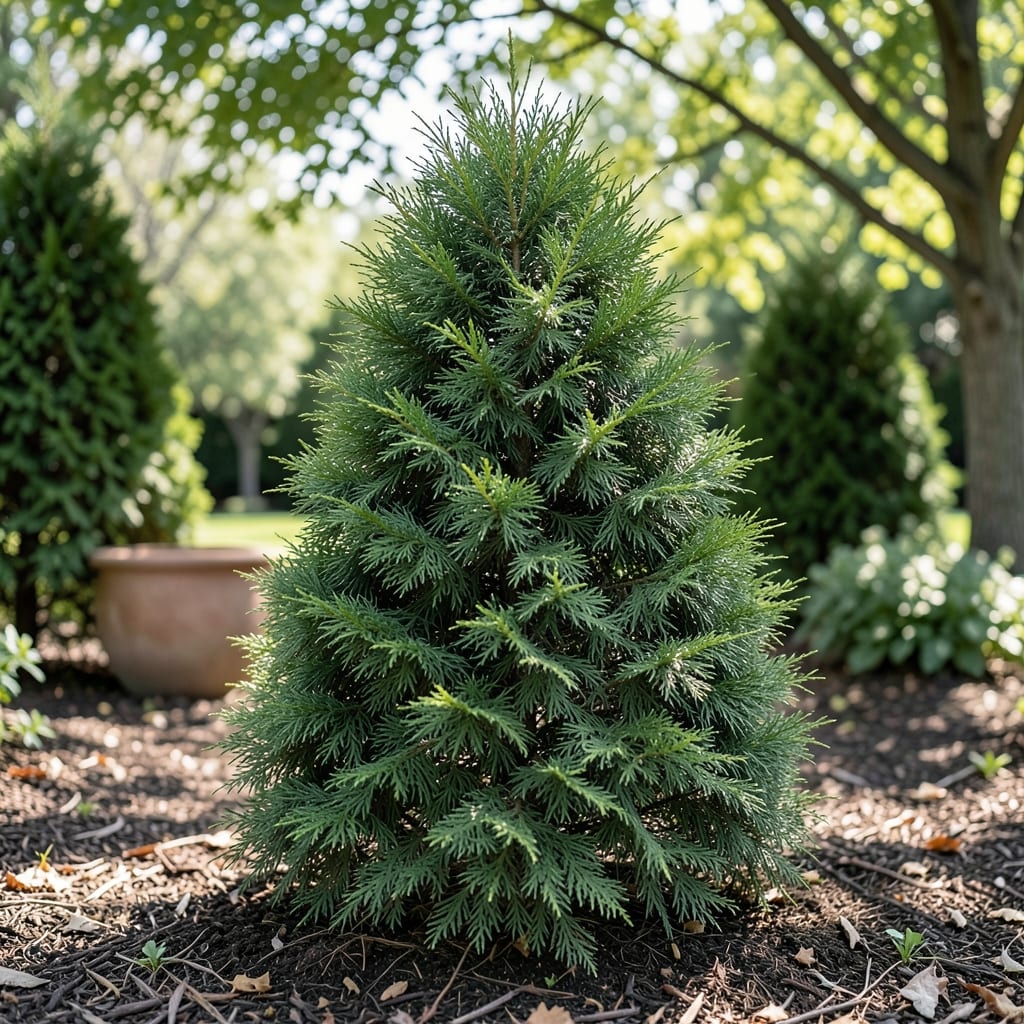
If you're planning your landscape and wondering "how tall do Arborvitae Emerald Green grow", you're asking the right question—this evergreen is a game-changer for privacy screens and year-round greenery. 🌲 Known for its striking emerald hue and dense foliage, this plant typically matures between 12 and 15 feet tall, making it perfect for hedges or tall borders.
But here's the thing: growth isn't instant. In its first few years, you'll see rapid progress—2 to 3 feet annually—before slowing to a steady 6 to 12 inches per year as it reaches maturity. This predictable growth means you can plan your spacing and pruning strategy with confidence.
Whether you're using it as a natural fence or a focal point in your yard, understanding its growth patterns is key. I’ll break down exactly how to manage its height, when to prune for the best shape, and what care tips keep it thriving for decades.
Ready to turn your outdoor space into a lush, private retreat? Let’s dive into the details so you can get the most out of your Emerald Green arborvitae.


Emerald Green arborvitae height by year: growth rate chart and mature size
Your Emerald Green arborvitae starts small but grows into a stunning evergreen that can reach 12 to 15 feet tall at maturity. Understanding its growth stages helps you plan for its full potential. In its first year, expect 2 to 3 feet of growth, while years 2-5 see 3 to 5 feet annually—a rapid phase that slows after year 5.
By year 10, most Emerald Green arborvitae will be close to their mature height, though growth continues at a slower pace. The width typically spans 3 to 4 feet, making it ideal for narrow hedges or privacy screens. This predictable growth pattern means you can space plants 3 to 5 feet apart for a dense, uniform barrier.
Here’s a quick reference for how your arborvitae will grow over time, including its width and key care milestones:
| Year | Height (ft) | Width (ft) | Growth Rate (in/year) | Care Tip |
|---|---|---|---|---|
| 1 | 2-3 | 1-2 | 24-36 | Water deeply weekly |
| 2-3 | 4-6 | 2-3 | 36-60 | Prune lightly to shape |
| 4-5 | 6-9 | 3-4 | 24-36 | Fertilize in early spring |
| 6-10 | 9-12 | 3-4 | 12-24 | Reduce watering to bi-weekly |
| 10+ | 12-15 | 3-4 | 6-12 | Minimal pruning needed |
If you’re planting multiple Emerald Green arborvitae for a hedge, space them 3 to 4 feet apart to allow room for their width. This spacing ensures they fill in quickly without overcrowding, creating a lush, green barrier within 3 to 5 years. For a taller privacy screen, plant them 5 feet apart to maximize their height potential.
One common question is whether these trees grow faster in certain conditions. While the chart above reflects average growth, factors like soil quality, sunlight exposure, and watering habits can accelerate or slow growth. For example, planting in well-draining, slightly acidic soil (pH 6.0-7.0) and providing 6+ hours of sunlight daily can push your arborvitae to reach its mature height 1 to 2 years sooner.
For those wondering about height comparisons, a mature Emerald Green arborvitae stands taller than a standard 10-foot basketball hoop, making it a perfect choice for tall privacy screens or as a focal point in larger landscapes. Its dense, columnar shape also means it holds its form well in windy conditions, unlike some floppier evergreens.
Pro tip: If you’re using these for a hedge, consider shearing annually in late spring to encourage bushier growth. This not only maintains height but also promotes a fuller, more uniform look. Just avoid heavy pruning in the first 2 to 3 years to let the roots establish.
Ready to see your arborvitae thrive? The key is patience—those first few years of rapid growth are the most exciting, but the slow-and-steady phase afterward ensures your plant stays healthy and stunning for decades. 🌿
Pruning techniques to control arborvitae height and shape
Pruning your Emerald Green arborvitae isn’t just about keeping it neat—it’s how you control its height and shape for years to come. Since these shrubs grow 12 to 15 feet tall, strategic pruning ensures they stay within your desired dimensions while maintaining their signature dense, emerald foliage. The key? Timing and technique.
For best results, I recommend pruning twice a year: once in late winter or early spring (before new growth starts) and again in summer after flowering. This two-step approach helps you shape the shrub while avoiding stress that could stunt growth. Always use clean, sharp pruners to prevent tearing branches, which can invite disease.
Here’s how to prune for height control: Focus on removing inner branches first to improve airflow and light penetration. For a taller, narrower look, trim the top growth slightly each year. If you want a shorter, bushier shape, cut back the top by about 1/3 of its height in stages over 2-3 years. Never remove more than 25% of the foliage in a single pruning session.
🌿 Step-by-Step Pruning Guide for Emerald Green Arborvitae
- Step 1: Inspect the Shrub – Look for dead, diseased, or crossing branches to remove first.
- Step 2: Prune for Shape – Use hand pruners to trim outer growth for a natural or formal look.
- Step 3: Thin Inner Branches – Remove 1-2 inner branches per year to improve airflow and prevent fungal issues.
- Step 4: Control Height – Cut back the top 1/3 of new growth in spring to maintain desired height.
- Step 5: Clean Up – Remove all clippings and debris from the base to prevent pests.
One common mistake gardeners make is pruning too late in the season, which can leave the shrub vulnerable to winter damage. Avoid heavy pruning in fall or winter, as new growth may not harden off before cold weather arrives. If you’re aiming for a hedge or privacy screen, prune more frequently—every 4 to 6 weeks during the growing season—to encourage dense, uniform growth.
For a natural, layered look, I love using the "selective thinning" method: Remove branches from the bottom up to create a tapered shape. This mimics the plant’s natural form while keeping it healthy. Just remember: Patience is key—arborvitae respond best to gradual changes rather than drastic cuts.
Pro tip: If your arborvitae starts looking leggy or sparse at the base, it’s a sign of over-pruning or poor airflow. Adjust your pruning routine to focus on maintaining density at the bottom while shaping the top. With the right approach, your Emerald Green will stay lush, vibrant, and perfectly sized for decades. ✂️