
How To
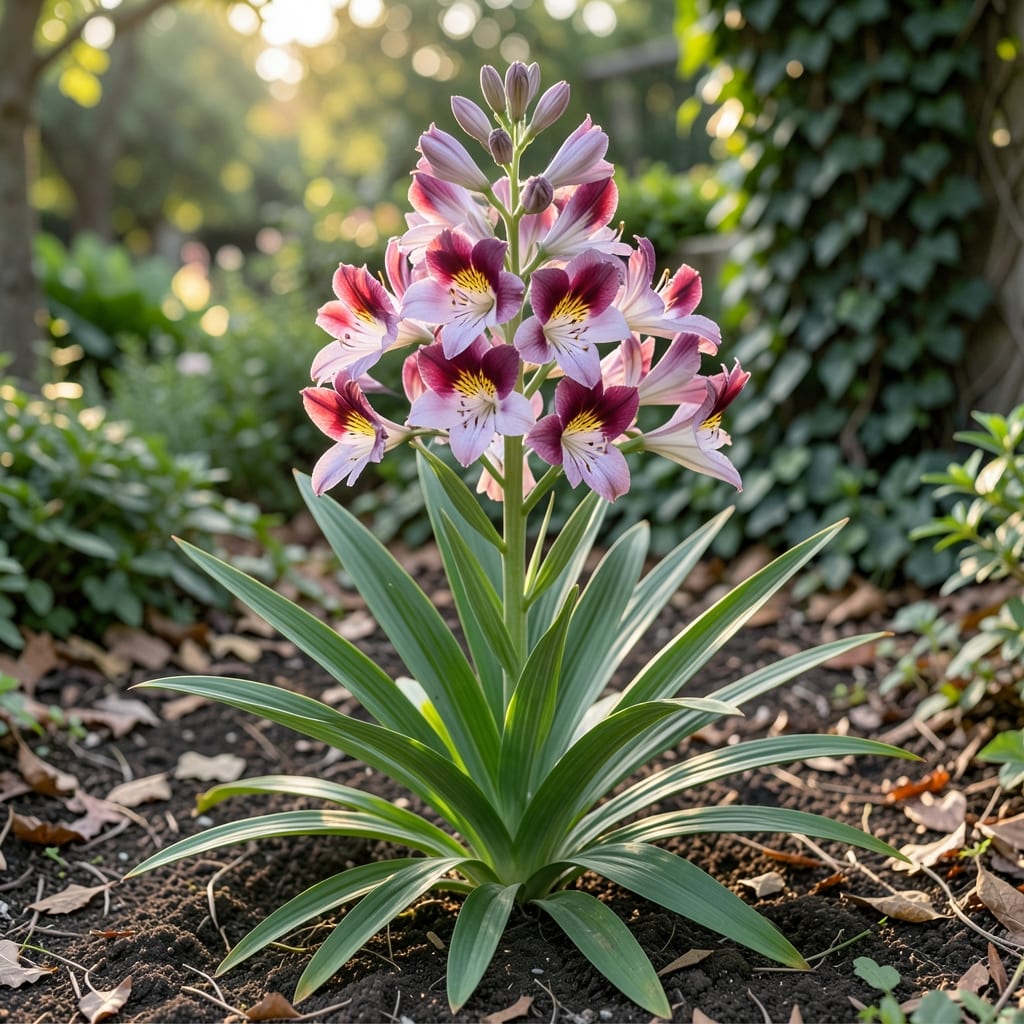
If you're dreaming of adding vibrant 🌸 Alstroemeria to your garden but wondering how tall they’ll grow, you’re in for a pleasant surprise. These cheerful perennials can range from delicate 12-inch dwarfs to towering 48-inch giants, depending on the variety and care you provide.
The key to unlocking their full height potential lies in choosing the right cultivar for your space. Whether you’re working with a compact border or a bold landscape feature, understanding these growth variations will help you plan your garden layout with confidence.
From the first flush of spring blooms to their mature stature, Alstroemeria’s height isn’t just about genetics—it’s also about soil, sunlight, and a little strategic pruning. Let’s break down exactly what to expect from each type and how to coax them to their ideal size.
Ready to transform your garden with these versatile blooms? You’ll discover how to select the perfect variety, manage their growth, and even troubleshoot common height-related challenges—so your Alstroemeria thrives year after year.


Alstroemeria height ranges by variety: from dwarf to giant flowers
Alstroemeria, often called peruvian lilies, deliver a stunning height range that lets you choose the perfect fit for any garden space. Whether you're working with a small balcony container or a large landscape bed, understanding these height variations helps you plan with precision. Most varieties mature between 12 inches and 48 inches, but their growth habits differ dramatically—some stay compact while others reach for the sky.
For container gardens or front-of-border planting, dwarf varieties like 'Alaska' or 'Snow Queen' stay between 12-18 inches tall. These are ideal for window boxes or small pots where vertical space is limited. Meanwhile, tall varieties like 'Regina' or 'Pink Star' can soar to 36-48 inches, making them perfect for backdrop planting or cut flower arrangements.
Here's the key: alstroemeria's height potential depends on cultivar selection, soil fertility, and pruning practices. In ideal conditions, some varieties can even exceed their listed heights by 10-20%. The secret lies in their rhizomatous growth habit—they spread horizontally while sending up vertical stems.
| Variety | Height Range | Best For | Notes |
|---|---|---|---|
| Alaska | 12-18" | Containers, borders | Dwarf, cold-hardy |
| Snow Queen | 18-24" | Cut flowers, small gardens | Pure white blooms |
| Regina | 36-48" | Backdrops, tall borders | Needs staking |
| Pink Star | 30-42" | Cut arrangements | Long vase life |
| Dwarf Mix | 12-16" | Rock gardens, windows | Colorful blends |
When selecting varieties, consider your garden layout. For example, planting 'Regina' (36-48") behind 'Alaska' (12-18") creates a natural height gradient that draws the eye. The dwarf varieties also make excellent spiller plants in hanging baskets, while the tall varieties shine as focal points in mixed borders.
An often-overlooked factor is yearly growth progression. In their first year, alstroemeria typically reach 50-70% of their mature height. By year two, they'll fill out completely, and with proper care, some varieties can even increase by 2-4 inches annually. This gradual growth makes them predictable yet rewarding for long-term garden planning.
For urban gardeners with limited space, consider the 'Mini Star' series, which maxes out at 16 inches while producing abundant blooms. These work beautifully in raised beds or even large pots on patios. The trade-off? They may produce slightly smaller flowers compared to their taller cousins, but their prolific blooming makes up for it.
If you're growing alstroemeria for cut flowers, prioritize taller varieties like 'Pink Star' or 'Regina'. Their long, sturdy stems (often 30+ inches) hold up well in arrangements. For landscaping impact, mix heights—plant dwarf varieties in front and tall ones in back to create depth. This layered approach maximizes visual interest while keeping maintenance manageable.
Remember: alstroemeria's height isn't just about the stems—it's also about their spreading habit. Most varieties spread 12-24 inches wide, so account for this when spacing plants. In small gardens, you can control spread by dividing rhizomes every 2-3 years, which also rejuvenates blooms and prevents height decline.
For maximum height potential, focus on soil fertility and sun exposure. Amend your soil with compost and bone meal before planting, and ensure they get 6+ hours of full sun daily. With these conditions, even dwarf varieties may exceed their listed heights slightly, while tall varieties could reach their upper limits more consistently.
How to control alstroemeria height: pruning, staking & soil secrets
Alstroemeria’s height isn’t just determined by genetics—it’s also about how you care for them. With the right techniques, you can encourage your plants to reach their maximum potential or keep them compact and manageable. Whether you’re dealing with a 48-inch giant or a 12-inch dwarf, these strategies will help you guide their growth exactly where you want it.
One of the simplest ways to control height is through pruning. Regularly trimming back leggy stems encourages bushier growth and prevents your plants from becoming top-heavy. For varieties like 'Regina', which can grow over 3 feet tall, pruning also improves airflow, reducing the risk of fungal diseases that can weaken stems and stunt growth.
Here’s how to prune for optimal height control: start by removing any dead or damaged foliage in early spring. Then, throughout the growing season, trim back stems by about one-third after they’ve finished blooming. This redirects energy to producing more compact side shoots rather than elongated stems.
🌱 Pro Tip: Always use clean, sharp pruners to avoid damaging the plant. Prune in the morning when stems are firm and less likely to harbor moisture, which can lead to rot.
Step-by-Step Height Control Guide
- Step 1: Prune leggy stems to encourage bushier growth. Cut just above a leaf node for best results.
- Step 2: Stake tall varieties (like 'Regina') with bamboo stakes or tomato cages to prevent flopping.
- Step 3: Fertilize with phosphorus (like bone meal) to promote root and stem strength for taller growth.
- Step 4: Mulch heavily in early spring to retain moisture and support steady growth.
- Step 5: Avoid overwatering—soggy soil can weaken stems and reduce height potential.
For varieties that naturally grow tall, like 'Pink Lemonade' or 'Black Pearl', staking is essential. Without support, their 3-4 foot stems can flop over, especially in windy conditions. Use 3-foot stakes inserted gently into the soil beside each plant, then loosely tie the stems with soft plant ties or old pantyhose to avoid damaging the stems.
Soil plays a crucial role in determining how tall your alstroemeria will grow. These plants thrive in well-draining, slightly acidic soil with a pH between 6.0 and 7.0. Amend heavy clay soil with compost or sand to improve drainage, which prevents root rot and supports stronger stem growth. Adding a balanced fertilizer (like 10-10-10) in early spring and mid-summer provides the nutrients needed for robust growth.
🌿 Common Mistake: Over-fertilizing with nitrogen can lead to leafy growth at the expense of height. Stick to a phosphorus-rich fertilizer to encourage taller, stronger stems.
Finally, pay attention to your alstroemeria’s watering habits. While they’re drought-tolerant once established, consistent moisture is key during their first growing season. Water deeply once a week during dry spells, focusing on the base of the plant to avoid wetting the foliage, which can promote fungal growth. Mulching with 2-3 inches of organic mulch helps retain moisture and keeps roots cool, supporting steady growth throughout the season.