
How To
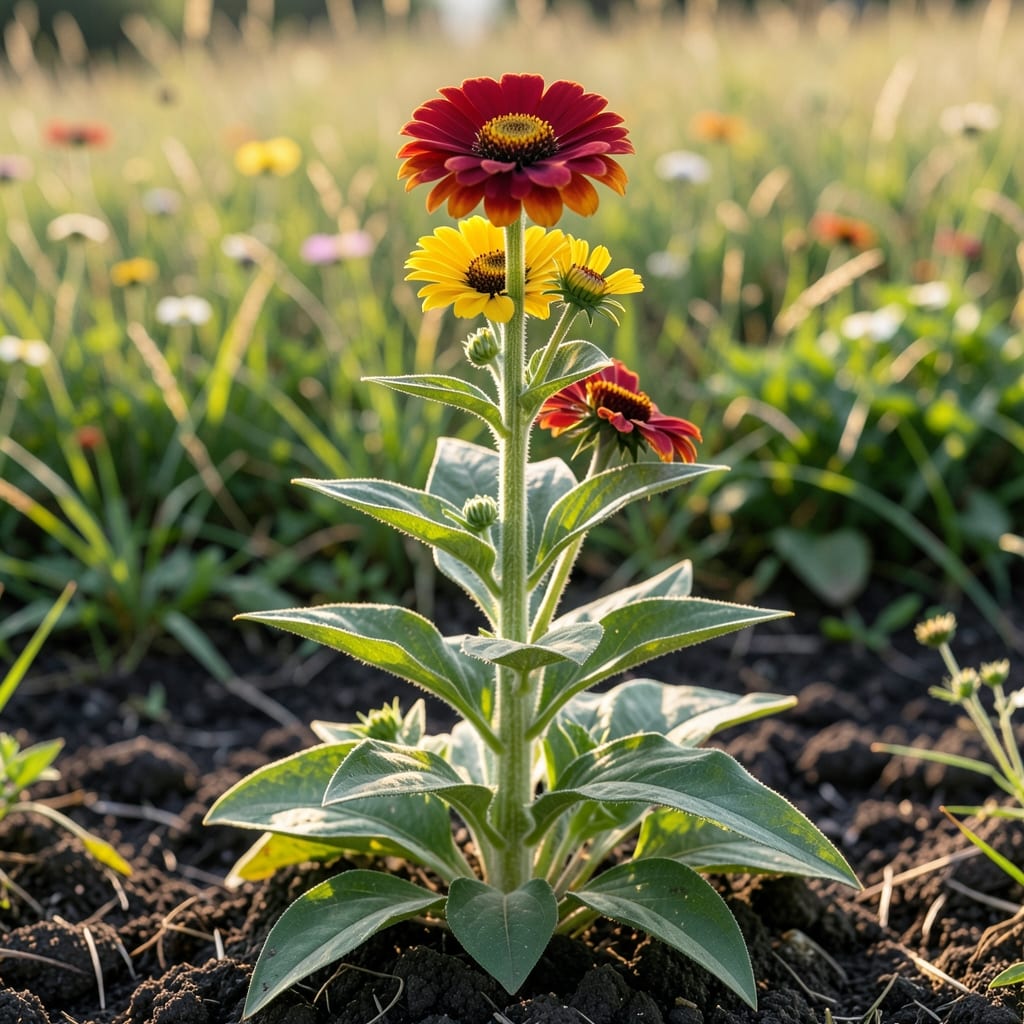
If you’ve ever wondered how tall can zinnias grow, the answer might surprise you—these vibrant blooms range from tiny tabletop companions to towering garden statements that reach nearly 4 feet tall! Whether you’re dreaming of a lush border or a dramatic cut-flower display, choosing the right variety is the first step to getting the height you want.
Not all zinnias are created equal—some stay perfectly compact at just 6 inches, making them ideal for containers or window boxes, while others stretch skyward like 🌼 skyscrapers in your backyard. The key to unlocking their full potential? Sunlight, soil, and a little strategic pruning. Let’s break down how to pick the perfect type for your space and keep them growing strong.
Tall zinnias aren’t just for show—they’re workhorses for bouquets, pollinators, and adding vertical interest to any garden. But without the right care, even the tallest varieties can flop or snap under their own weight. I’ll share my top tips for supporting their growth, from staking techniques to watering secrets, so you can enjoy zinnias that stand proud all season.
Ready to transform your garden with zinnias that reach for the sky—or stay neatly contained? Let’s dive into the varieties, care tricks, and everything else you need to know to get the perfect height for your zinnias this year.

Zinnia height ranges by variety: from dwarf to giant
Zinnias come in a stunning array of heights, from tiny tabletop companions to towering garden giants. The variety you choose will determine not just how tall your zinnias grow, but also their ideal placement in your garden, their use (cut flowers, borders, containers), and even their care requirements. Understanding these height ranges helps you plan your garden layout and set realistic expectations for growth.
For example, dwarf zinnias like 'Thumbelina' stay under 12 inches, perfect for window boxes or fairy gardens, while giant varieties such as 'Benary’s Giant' can reach 4 feet or more. Each category has its own charm and purpose, so let’s explore the full spectrum to help you pick the perfect zinnias for your space.
Below is a detailed comparison of zinnia height ranges, including their typical mature height, growth habits, and best uses in the garden. This will help you visualize how these vibrant blooms can fit into your landscape design, whether you're aiming for a low border, a cut-flower garden, or a container display.
🌱
| Variety Type | Height Range | Growth Habit | Best Uses | Spacing |
|---|---|---|---|---|
| Dwarf | 6–12 inches | Compact, bushy | Containers, borders, fairy gardens | 6–8 inches apart |
| Semi-Dwarf | 1–2 feet | Upright, slightly bushy | Cut flowers, mixed borders | 10–12 inches apart |
| Standard | 2–3 feet | Tall, sturdy stems | Cut flowers, back of borders | 12–18 inches apart |
| Giant | 3–4 feet | Very tall, may need staking | Cut flowers, focal points | 18–24 inches apart |
If you’re growing zinnias for cut flowers, the standard and giant varieties are your best bets—they produce the longest, sturdiest stems for bouquets. For containers or small spaces, dwarf and semi-dwarf zinnias are ideal because they won’t outgrow their pots or overwhelm your garden bed.
One thing to keep in mind is that zinnias thrive in full sun, which naturally encourages taller growth. However, if you live in a hot, dry climate, some taller varieties might need extra care to prevent them from becoming leggy or floppy. We’ll cover how to support their height in the next section, but for now, focus on choosing the right variety for your garden’s layout.
For example, if you’re planting zinnias along a fence or trellis, taller varieties like 'State Fair' or 'Profusion' will climb and spill beautifully, creating a vertical garden effect. On the other hand, if you’re filling a window box, 'Thumbelina Mix' or 'Crystal' will stay neat and compact while still bursting with color.
Pro tip: Always check the spacing recommendations for each variety. Overcrowding can stunt growth and increase the risk of disease, while proper spacing allows air to circulate and encourages stronger, taller stems. For instance, giant zinnias need 18–24 inches of space, while dwarf varieties can happily coexist in a 6-inch radius.
🌼
How to maximize zinnia height without flopping or snapping
Tall zinnias are a dream for cut flower arrangements, but without proper support, they can flop like overcooked noodles or snap under their own weight. The secret to keeping them standing tall lies in a few key strategies: staking, sunlight, and soil health. I’ve learned the hard way that even the most dramatic varieties like Benary’s Giant need extra care to reach their full potential.
First, sunlight is non-negotiable. Zinnias crave at least 6-8 hours of full sun daily—any less, and they’ll stretch awkwardly or produce fewer blooms. If your garden is shady, consider reflective surfaces like white walls or mulch to bounce extra light onto your plants. I’ve seen zinnias in partial shade max out at 2 feet instead of their full 4-foot potential.
Next, let’s talk staking. For varieties over 2 feet tall, use bamboo stakes or tomato cages to support their stems. Gently tie the main stem with soft plant ties every 6-8 inches as they grow. Pro tip: Avoid tight ties—they can strangle the stem over time. I swear by spiral plant ties for a gentler grip that still holds firm.
⚠️ Warning: Common Mistakes That Stunt Zinnia Growth
- Overcrowding: Plant zinnias 12-18 inches apart—too close, and they’ll compete for nutrients, leading to weak stems.
- Poor Drainage: Soggy soil causes root rot, which weakens the entire plant. Amend heavy soil with compost or perlite.
- Late Pruning: Trimming too late in the season removes next year’s blooms (though zinnias are annuals, this still stresses the plant).
- Underwatering: While drought-tolerant, zinnias need deep watering 2-3 times per week to encourage strong stems.
"I once let my zinnias dry out completely, and they wilted like sad balloons—never again!"
Don’t overlook the power of pruning. Pinching back the tips of young zinnias encourages bushier growth and prevents them from becoming leggy. For taller varieties, remove spent blooms regularly to redirect energy into new flowers. I deadhead mine every 3-4 days during peak bloom, and it keeps them producing for months instead of just a few weeks.
Finally, feed your zinnias the right way. A balanced fertilizer (5-10-10) applied every 4-6 weeks during the growing season gives them the nutrients they need to grow strong. Too much nitrogen? You’ll get lush foliage but fewer blooms. I swear by a light feeding in spring and heavier feeding in summer to keep them blooming like crazy.
With these tips, your zinnias will stand tall and proud—ready for cutting, photographing, or just admiring. And if you’re growing them for cut flowers, harvest in the cool of the morning when blooms are fully open. That’s when they’ll last the longest in your vase!