
Lawn
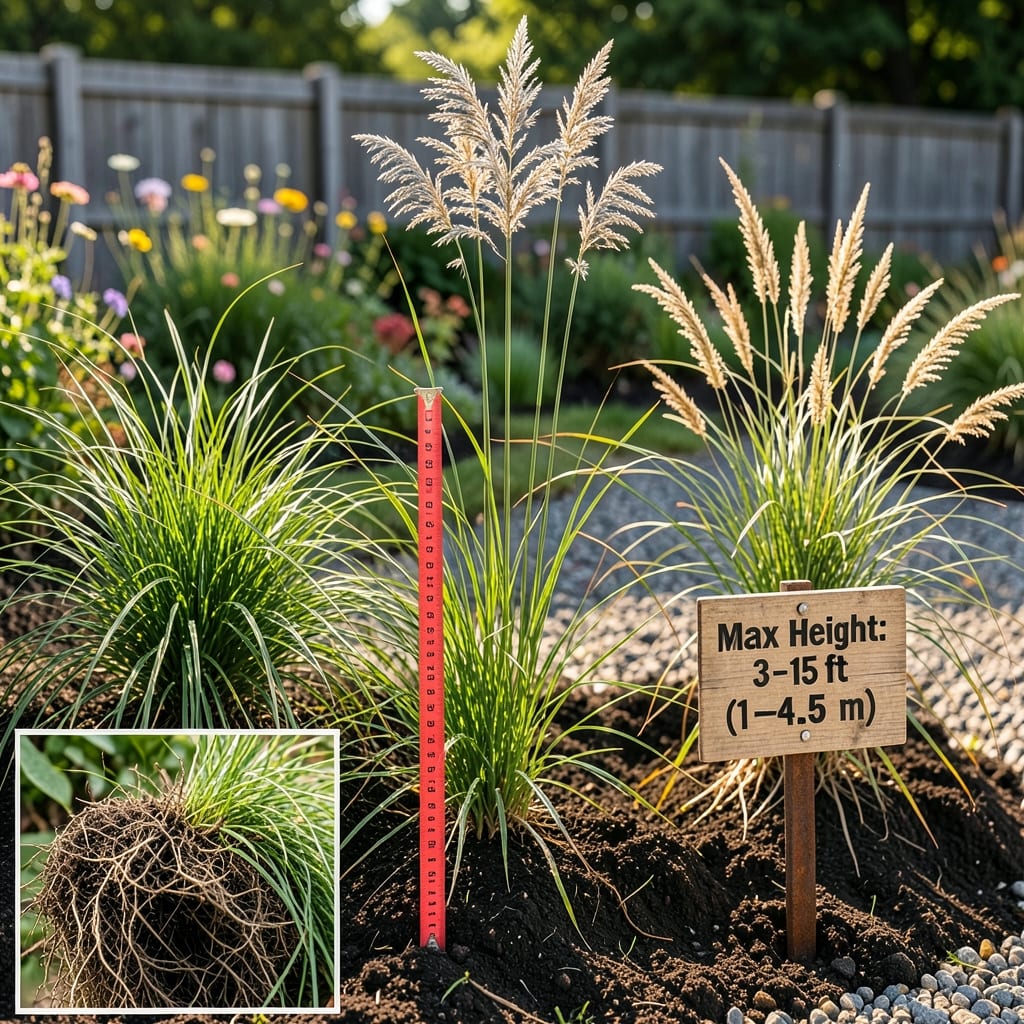
If you’ve ever looked at a wild grass patch and wondered just how tall it could grow, you’re not alone. Some varieties of wild grass 🌿 can reach heights that will make you feel like you’re standing in a natural forest—without even trying. The answer might surprise you, especially when you consider the right conditions and species.
Wild grass heights vary dramatically depending on the species, climate, and even soil quality. In ideal conditions, certain types can shoot up to 12 feet or more, towering over most people and even small trees. But not all wild grasses are giants—some stay closer to the ground, while others grow aggressively if left unchecked.
Whether you’re dealing with towering switchgrass or the delicate blades of fescue, understanding these growth patterns helps with everything from landscaping to natural habitat preservation. Let’s break down the tallest wild grasses, how climate plays a role, and what you can do to manage their growth if needed.
From tropical regions where grasses grow unchecked to cooler zones like USDA 6a, the factors influencing height are fascinating. And yes, you can influence how tall your wild grass gets—if you know the tricks. Ready to find out more?

Tallest wild grass species and their record heights
Wild grass isn’t just a patch of green—some varieties grow into towering giants that can reach heights you’d expect from small trees. The tallest species can surpass 12 feet, with certain tropical varieties even documented at over 20 feet in ideal conditions. These natural skyscrapers thrive in specific climates and soil types, often outpacing cultivated grasses by a landslide.
If you’ve ever seen a field of wild grass swaying like a forest, you were likely looking at species like Miscanthus giganteus or Phalaris arundinacea. These grasses don’t just grow tall—they grow with purpose, developing thick stems and dense foliage that can dominate landscapes. Let’s explore the record holders and what makes them so impressive.
One of the most striking examples is Cortaderia selloana, commonly known as pampas grass. In its native South American habitats, this ornamental grass can reach heights of 10 to 15 feet, with some specimens documented at over 20 feet in tropical climates. Its feathery plumes add to its dramatic presence, making it a favorite in both wild and cultivated settings.
Miscanthus giganteus, often called "giant miscanthus," is another standout. Native to East Asia, this grass can grow up to 15 feet tall in a single season, making it a popular choice for biomass energy production due to its rapid growth and hardiness. Its tall, arching stems create a striking visual impact, especially in large plantings.
For those in USDA Zone 6a, like myself, growing these towering grasses requires careful planning. While some species like switchgrass (Panicum virgatum) thrive in cooler climates, others need protection from frost or may not reach their full potential. However, with the right conditions, even temperate-zone gardeners can cultivate grasses that rival their tropical counterparts.
If you’re curious about growing these giants, remember that height isn’t the only factor—soil quality, water availability, and sunlight play critical roles. For instance, Arundo donax, or giant reed, can grow up to 20 feet in ideal Mediterranean climates but may struggle in colder regions without proper care. Let’s dive into how climate zones specifically influence these growth patterns next.
Understanding these record heights helps whether you’re designing a landscape, managing an overgrown field, or simply admiring nature’s skyscrapers. The next time you see a wild grass patch, take a closer look—you might be standing next to a plant that could one day tower over you! 🌱
How climate zones affect wild grass growth heights
Climate plays a huge role in how tall wild grass can grow. In tropical zones like USDA 10-12, grasses thrive year-round with abundant rainfall and warm temperatures, often reaching their maximum heights. For example, Miscanthus giganteus in Florida or Hawaii can easily hit 12+ feet without any intervention.
In temperate zones (USDA 5-9), like much of the U.S., growth slows in winter but still produces impressive heights. Switchgrass (Panicum virgatum) often tops out at 6-10 feet in these regions, while reed canary grass (Phalaris arundinacea) can reach 8 feet with consistent moisture.
Arid climates (USDA 3-4) limit grass growth due to water scarcity and shorter growing seasons. Here, wild grasses like bluestem (Andropogon spp.) rarely exceed 4-5 feet, though they develop deep root systems to survive drought.
Soil quality also matters—nutrient-rich, well-drained soil fuels faster growth, while compacted or poor soil stunts height. For instance, pampas grass (Cortaderia selloana) in USDA 7-10 can hit 10 feet with ideal soil, but may only reach 6 feet in rocky terrain.
If you’re in USDA 6a (like much of the Midwest), expect 6-8 feet for hardy species like big bluestem, but provide extra water and fertilizer to push heights closer to 10 feet. The right climate and care can turn wild grass into a living privacy screen!
Understanding these patterns helps you predict growth and plan accordingly—whether you want a natural windbreak or just to keep it under control. 🌿