
Trees
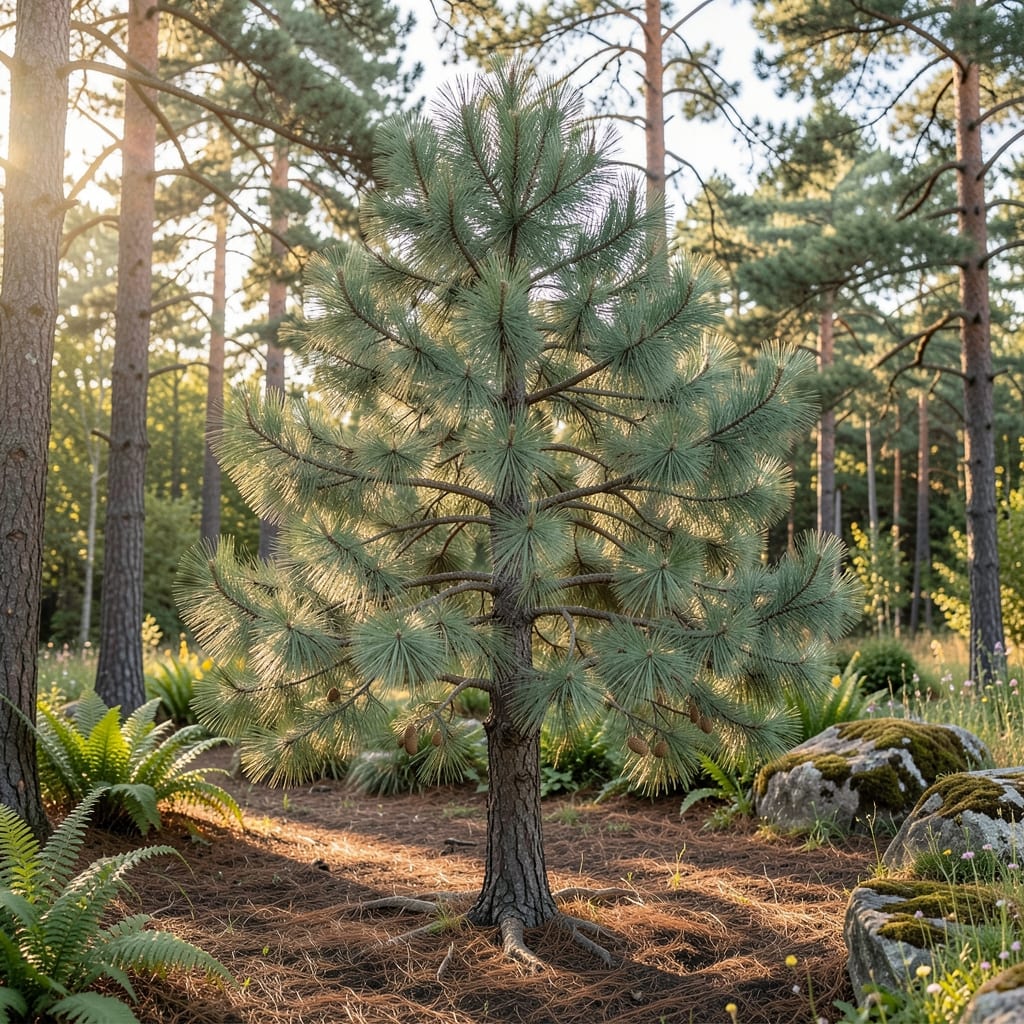
If you've ever wondered how tall white pines can grow, the answer might surprise you—these towering evergreens aren't just trees, they're living skyscrapers that can reach heights of 80 feet or more under perfect conditions.
But here's the catch: their growth depends on more than just time. Whether you're planning a backyard retreat or a large-scale landscape project, understanding what influences their height—like your local climate and soil quality—is the key to getting the results you want.
In this guide, I'll break down exactly how tall different white pine varieties can grow, which zones they thrive in, and the simple (but crucial) steps to encourage their full potential—or keep them in check if space is limited.
Ready to discover how you can cultivate these giants—or their smaller cousins—without the guesswork? Let's dive in.


Mature heights of white pine varieties: from dwarf to giant species
White pines are some of the most impressive trees you can grow, with Eastern White Pines reaching heights of 70-80 feet in ideal conditions. But not all white pines grow this tall—some varieties stay compact, perfect for smaller yards. Let’s explore the height ranges of the most popular white pine species and what to expect in your own landscape.
If you’re planning to plant white pines, understanding their mature sizes is key. The Eastern White Pine is the tallest, while the Mugo Pine stays under 10 feet, making it ideal for hedges or foundation plantings. Each variety has unique growth habits, so choosing the right one depends on your space and goals.
🌲 Visual Comparison: Imagine a 3-story building—that’s how tall some white pines grow! Others, like dwarf varieties, stay the size of a small shrub. Here’s how they stack up:
| Variety | Mature Height (ft) | Growth Rate (ft/year) | Best For |
|---|---|---|---|
| Eastern White Pine | 70-80 ft | 1.5-2 ft | Large landscapes, privacy screens |
| Western White Pine | 50-100 ft | 1-1.5 ft | Wooded areas, wild landscapes |
| Norway Pine | 50-70 ft | 2-3 ft | Urban parks, large yards |
| Mugo Pine (Dwarf) | 4-10 ft | 0.5-1 ft | Borders, hedges, containers |
The Eastern White Pine is the most common variety in the U.S., thriving in USDA Zones 3-8 and growing up to 2 feet per year in ideal conditions. Its towering presence makes it perfect for creating natural privacy barriers or adding drama to large properties.
For smaller spaces, the Mugo Pine is a game-changer. This dwarf variety stays under 10 feet tall and grows slowly, making it ideal for hedges, foundation plantings, or even large containers. It’s also more drought-tolerant once established, which is a plus for low-maintenance gardens.
If you’re in the Western U.S., the Western White Pine is a native giant that can reach 100 feet in the wild. However, in cultivated settings, it typically tops out around 50-70 feet. This variety loves cooler climates and well-draining soils, making it a great choice for mountainous regions.
The Norway Pine is another fast grower, often used in urban landscapes for its tolerant nature and vibrant foliage. It grows 2-3 feet per year and can reach 70 feet in ideal conditions, but it’s also adaptable to city environments where space is limited.
When choosing a white pine, consider not just height but also spread and growth rate. For example, the Eastern White Pine can spread 20-30 feet wide, while the Mugo Pine stays compact at just 3-6 feet wide. Always check your local nursery for region-specific recommendations to ensure your tree thrives.
Pro Tip: If you’re planting near power lines or structures, opt for a dwarf variety or plan for regular pruning to keep the tree manageable. A well-pruned white pine can live for hundreds of years, so choose wisely!
🌿
How growth zones affect white pine height and survival
White pines are resilient trees, but their mature height and survival depend heavily on your USDA hardiness zone. These trees thrive in zones 3 through 8, but their growth potential shifts dramatically from colder northern climates to warmer southern regions. In zone 3, for example, white pines grow slower but reach impressive heights of 50-70 feet due to cooler temperatures and shorter growing seasons.
In contrast, zones 6-8 offer ideal conditions for rapid growth, with some varieties like the Eastern White Pine hitting 80 feet or more when given ample space and nutrients. The key difference lies in how quickly they grow—warmer zones allow for 2-3 feet of annual growth, while colder zones may only see 1-2 feet per year.
Your local climate also affects drought tolerance and cold hardiness. White pines in zone 4 or lower develop thicker bark and deeper root systems to withstand harsh winters, while those in zone 7+ may struggle with heat stress if not given enough water during dry spells. Understanding these regional nuances helps you set realistic expectations for height and health.
🌲
| USDA Zone | Mature Height | Growth Rate | Cold Tolerance | Drought Risk |
|---|---|---|---|---|
| 3-4 | 50-70 ft | 1-2 ft/year | Excellent | Low |
| 5-6 | 60-75 ft | 2-3 ft/year | Good | Moderate |
| 7-8 | 70-80+ ft | 3-4 ft/year | Moderate | High |
If you're planting white pines in warmer zones (7-8), prioritize well-draining soil and consistent moisture to prevent heat stress. In cooler zones (3-5), focus on wind protection and acidic soil to support slower but steady growth. For example, a Western White Pine in zone 5 may only reach 40 feet without proper care, while the same tree in zone 6 could easily exceed 60 feet.
Another critical factor is elevation. Trees grown at higher altitudes—even within the same zone—often grow 10-20% slower due to cooler temperatures and thinner air. For instance, a white pine in Denver (zone 5) might max out at 50 feet, while one in Seattle (also zone 5 but lower elevation) could reach 70 feet with ideal conditions.
To maximize height in your area, choose the right variety for your zone and monitor soil pH—white pines prefer acidic to neutral soil (pH 5.0-7.0). If your local climate is drier than average, consider mulching deeply to retain moisture and reduce stress. With the right approach, you can help your white pine reach its full potential—no matter where you live.
☀️