
Flowers
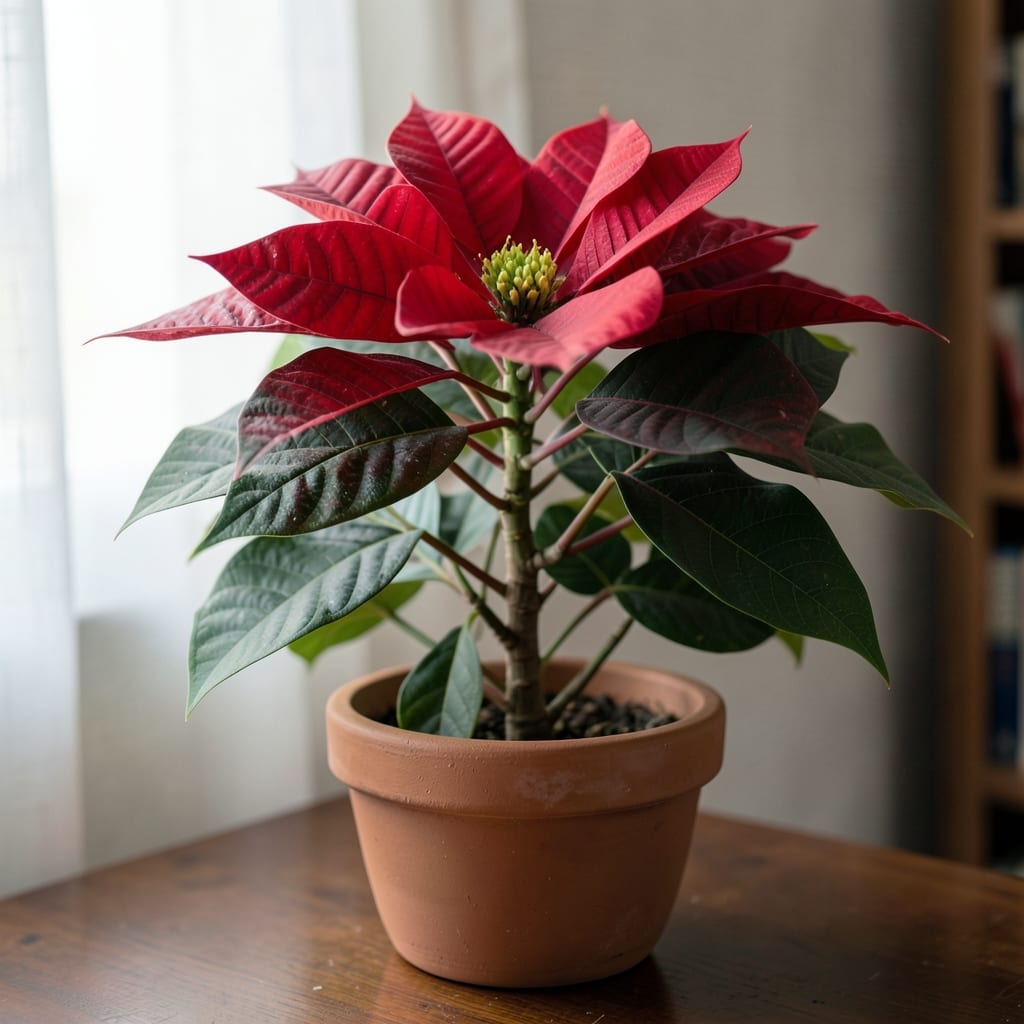
If you’ve ever wondered how tall poinsettias can grow, the answer depends more on their variety and care than you might think. These festive plants can range from compact 1-foot dwarfs to towering 5-foot giants—yes, really!—depending on whether you’re growing them indoors or letting them thrive outdoors in warmer climates.
The key to controlling their height lies in understanding their growth habits. Most standard poinsettias mature between 3 and 4 feet, but with the right pruning and light exposure, you can encourage them to reach their full potential—or keep them small and manageable for cozy spaces. Think of it like training a plant to fit your decor, not the other way around.
What’s even more interesting is how quickly poinsettias grow when given the right conditions. With proper care—like bright, indirect light and occasional pruning—they can add a foot or more in just a few months. But skip those steps, and you might end up with a leggy, overgrown plant that’s more trouble than it’s worth.
Ready to learn how to shape your poinsettia’s height? I’ll walk you through the secrets of variety-specific growth, pruning techniques, and the simple tweaks that make all the difference. Let’s get started!


Poinsettia height by variety: from dwarf to giant sizes
Poinsettias (Euphorbia pulcherrima) come in a stunning array of sizes, from dwarf varieties perfect for windowsills to giant cultivars that rival small trees. The variety you choose determines not just height but also growth speed and color intensity. For example, the 'Premium Red' standard poinsettia typically reaches 3-4 feet indoors, while 'Winter Rose' stays compact at 1-2 feet—ideal for apartments or small spaces.
Outdoors in USDA Zones 10-11, poinsettias can grow even taller, sometimes exceeding 5 feet with proper care. The difference comes down to light exposure, pruning habits, and temperature consistency. Even indoor plants can hit 6 feet in rare cases if given optimal conditions—like the 'Giant Poinsettia' variety, which is bred specifically for height.
Here’s the key: Most poinsettias mature between 2-4 feet indoors, but their first-year growth is what sets the stage. A 1-foot seedling can become a 4-foot plant in just 6 months with the right care. The secret? Early pruning to encourage bushier growth rather than tall, leggy stems.
🎄
| Variety | Mature Height (Indoors) | Growth Habit | Best For |
|---|---|---|---|
| 'Winter Rose' | 1-2 ft | Compact, bushy | Small spaces, apartments |
| 'Premium Red' | 3-4 ft | Tall, upright | Holiday centerpieces |
| 'Giant Poinsettia' | 5-6 ft | Very tall, fast-growing | Outdoor landscapes (Zones 10-11) |
| 'Celebrate Red' | 2-3 ft | Medium, bushy | Indoor pots, gift-giving |
| 'Ice Punch' | 2-3 ft | Medium, variegated | Unique color displays |
| 'Jingle Bells' | 1.5-2.5 ft | Dwarf, trailing | Hanging baskets |
If you’re growing poinsettias outdoors in warmer climates, expect even more dramatic growth. In Zone 11, for instance, a 'Giant Poinsettia' can easily reach 6 feet or taller with full sun exposure. The trade-off? These varieties often need staking to support their weight and protection from frost, which can limit their suitability for cooler regions.
For indoor gardeners, the 'Winter Rose' and 'Jingle Bells' varieties are my top picks for small spaces. They stay under 2 feet tall but still deliver vibrant bracts and long-lasting color. Meanwhile, the 'Premium Red' is a classic for those who want a statement plant without going overboard on space.
Pro tip: If you’re aiming for taller poinsettias, focus on pruning early (within the first 3 months) to encourage multiple stems instead of one long shoot. This creates a fuller, bushier plant that grows upward more evenly. Skip this step, and you’ll likely end up with a leggy, top-heavy plant that’s prone to flopping.
🌱
Light exposure plays a huge role in height control. Poinsettias grown in low-light conditions (like a north-facing window) will stretch toward light, becoming taller and spindly. Move yours to a bright, indirect spot—like a south or west window—to keep it compact and sturdy. Just avoid direct sunlight, which can scorch the delicate bracts.
Finally, remember that dwarf varieties aren’t just for small spaces—they often bloom more reliably and
How to control poinsettia height: pruning, light, and temperature secrets
Pruning is your secret weapon for controlling poinsettia height. If you want a compact, bushy plant perfect for tables or shelves, prune early in the season. Simply pinch off the tips of new growth when your plant has 4-5 sets of leaves—this encourages branching and prevents leggy stems. For a taller poinsettia, delay pruning until later in the season, but be warned: late pruning can still lead to a slightly shorter final height.
Light exposure plays a critical role in height control. Place your poinsettia near an east or west-facing window for bright, indirect light—this mimics their natural tropical habitat. Too little light stretches stems, creating a leggy, weak plant that can grow 2 feet taller than intended. If your plant starts leaning toward the light, rotate it quarter-turns every few days to keep it growing evenly.
🔴
Temperature also influences height. Poinsettias thrive in 65-75°F daytime temps but need cooler nights (55-60°F) to stay compact. If your home stays too warm at night, your plant may grow taller and leggier as it stretches toward light sources. A simple trick: Move potted poinsettias to a cooler room at night (like a basement or garage) for 2-3 weeks in early fall to encourage bushier growth.
For outdoor-grown poinsettias in warm climates (USDA Zones 10-11), height control becomes easier—just let them grow! These plants can reach 5-6 feet tall when grown outdoors with proper spacing. The key is regular pruning to shape them and prevent them from becoming too top-heavy. Use sharp pruners to cut back 1/3 of the plant’s height in early spring for a fuller, more manageable size.
Finally, don’t forget about fertilizer timing. Over-fertilizing in late summer can lead to excessive height growth with weak stems. Instead, feed your poinsettia with a balanced 10-10-10 fertilizer every 4-6 weeks during the growing season (spring and early summer), then taper off by mid-August to encourage flowering and compact growth.
With these simple adjustments, you’ll have a poinsettia that fits your space—whether you want a tabletop-sized centerpiece or a statement-making holiday plant. Experiment with pruning and light to find the perfect height for your home! 🌿