
How To
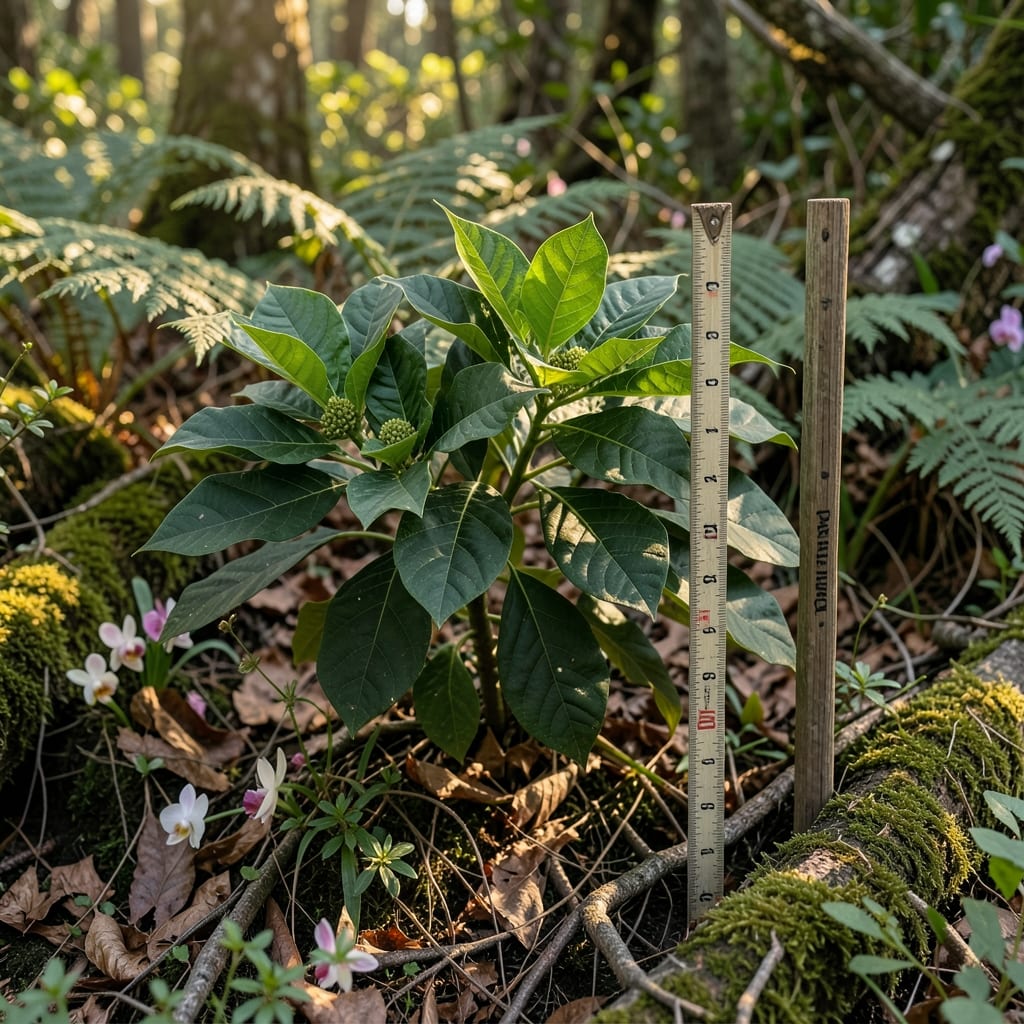
If you’ve ever wondered how tall poinsettias can grow in the wild, you’re in for a surprise—these vibrant plants aren’t just holiday tabletop stars. In their native 9a-10a zones, they transform into towering shrubs that dwarf even the tallest potted varieties you’ve seen.
The average wild poinsettia reaches between 10 to 15 feet tall, with some specimens stretching even higher when given ideal conditions. That’s nearly three times the height of your typical store-bought plant! This dramatic difference comes down to factors like climate, soil, and the freedom to spread roots without container restrictions.
But here’s the catch: most gardeners grow poinsettias as compact houseplants, rarely exceeding 3 to 4 feet unless carefully trained. The good news? With the right care—like proper pruning and sunlight exposure—you can coax your own poinsettia toward its wild potential, even in a home garden.
Let’s break down what makes wild poinsettias so much taller and how you can apply those same principles to your own plants, whether you’re aiming for a small shrub or a full-sized tropical beauty.

Wild poinsettia height limits: species breakdown by native habitat
When you picture a poinsettia, you likely imagine the 3-foot potted plant gracing your holiday table—but in the wild, Euphorbia pulcherrima and its relatives can reach 10 to 15 feet tall, transforming into dense, multi-stemmed shrubs. This dramatic difference stems from their native habitats in Mexico and Central America’s tropical climates, where they thrive year-round without frost or container restrictions.
The most common wild species, Euphorbia pulcherrima, typically grows between 10 and 12 feet in ideal conditions, with some specimens exceeding 15 feet in open, sunny clearings. Their height varies by region—cooler highland areas may yield slightly shorter shrubs, while lowland tropical zones encourage faster, taller growth due to warmer temperatures and richer soils.
Other wild poinsettia relatives, like Euphorbia cyathophora (a smaller cousin), max out around 3 to 5 feet, but these are exceptions. Most gardeners focus on E. pulcherrima because of its showy bracts, which also grow larger in wild conditions—sometimes spanning 6 to 8 inches wide on mature plants.
Here’s how wild poinsettias compare across their native range:
| Species | Native Region | Wild Height Range | Key Growth Factors |
|---|---|---|---|
| Euphorbia pulcherrima | Central Mexico | 10–15 ft | Tropical climate, rich volcanic soil |
| Euphorbia cyathophora | Southern U.S. to South America | 3–5 ft | Drier, sandier soils |
| Euphorbia heterophylla | Central America | 8–12 ft | Humid lowland forests |
In their wild form, poinsettias develop a thick, woody base that supports their height, often forming multiple stems from the ground up. This contrasts sharply with potted plants, which are typically grafted or pruned to stay compact. Without these restrictions, wild poinsettias spread their energy into vertical growth, creating a lush, multi-branched canopy that can shade smaller plants beneath them.
Their height isn’t just about genetics—it’s also about space and resources. Wild poinsettias grow in partial shade to full sun, with roots spreading widely to access nutrients. In contrast, container-grown plants face root-bound conditions, limiting their ability to reach their full potential.
If you’re growing poinsettias outdoors in USDA Zones 9–11, you can mimic these wild conditions by planting them in well-draining, slightly acidic soil (pH 6.0–6.5) and providing 6+ hours of sunlight daily. This setup allows them to grow taller naturally, though they may still max out at 6 to 8 feet in cooler microclimates.
For gardeners in colder zones, overwintering poinsettias as houseplants and transplanting them outdoors in spring can help them gradually reach closer to their wild height over time. The key is patience—wild poinsettias take 3 to 5 years to reach their full height, while container plants often remain stunted if not pruned correctly.
Understanding these natural growth patterns helps set realistic expectations. Whether you’re admiring a wild specimen in Mexico or nurturing a potted plant at home, the potential for height is always there—you just need to create the right conditions to unlock it.
Wild poinsettia height limits: species breakdown by native habitat
When you picture a poinsettia, you likely think of the 3-foot-tall potted plant gracing holiday tables—but in their native Central American rainforests, these plants grow into shrubs reaching 10 to 15 feet tall. The most common wild species, Euphorbia pulcherrima, dominates these regions, with some varieties like Euphorbia cyathophora (a close relative) even exceeding 15 feet under ideal conditions.
The dramatic height difference comes down to three key factors: unrestricted root growth, year-round warmth (USDA zones 9a-10a), and abundant rainfall. In their natural habitat, poinsettias spread their roots widely, accessing nutrients and water that container-grown plants simply can’t. This freedom to grow vertically leads to their impressive stature.
Here’s how height varies by region:
- Southern Mexico: 10–12 feet (cooler nights slow growth slightly)
- Central Mexico: 12–15 feet (ideal climate for rapid growth)
- Guatemala & Costa Rica: 8–10 feet (shorter due to seasonal dry periods)
| Species | Native Region | Wild Height Range | Key Growth Factor |
|---|---|---|---|
| Euphorbia pulcherrima | Southern Mexico | 10–12 feet | Cooler nights |
| Euphorbia pulcherrima | Central Mexico | 12–15 feet | Year-round warmth |
| Euphorbia cyathophora | Guatemala | 8–10 feet | Seasonal drought |
| Euphorbia heterophylla | Costa Rica | 6–8 feet | Humid climate |
Interestingly, wild poinsettias don’t just grow taller—they also develop thicker trunks and denser foliage compared to their potted relatives. In the wild, they compete for sunlight, leading to broader canopies that can span up to 8 feet wide. This bushy growth is a far cry from the single-stemmed plants sold in nurseries!
If you’re dreaming of a tall poinsettia for your garden, focus on replicating these wild conditions: well-draining soil, partial shade, and consistent moisture. Even in containers, you can encourage height by pruning strategically—more on that in the next section.
🌿