
How To
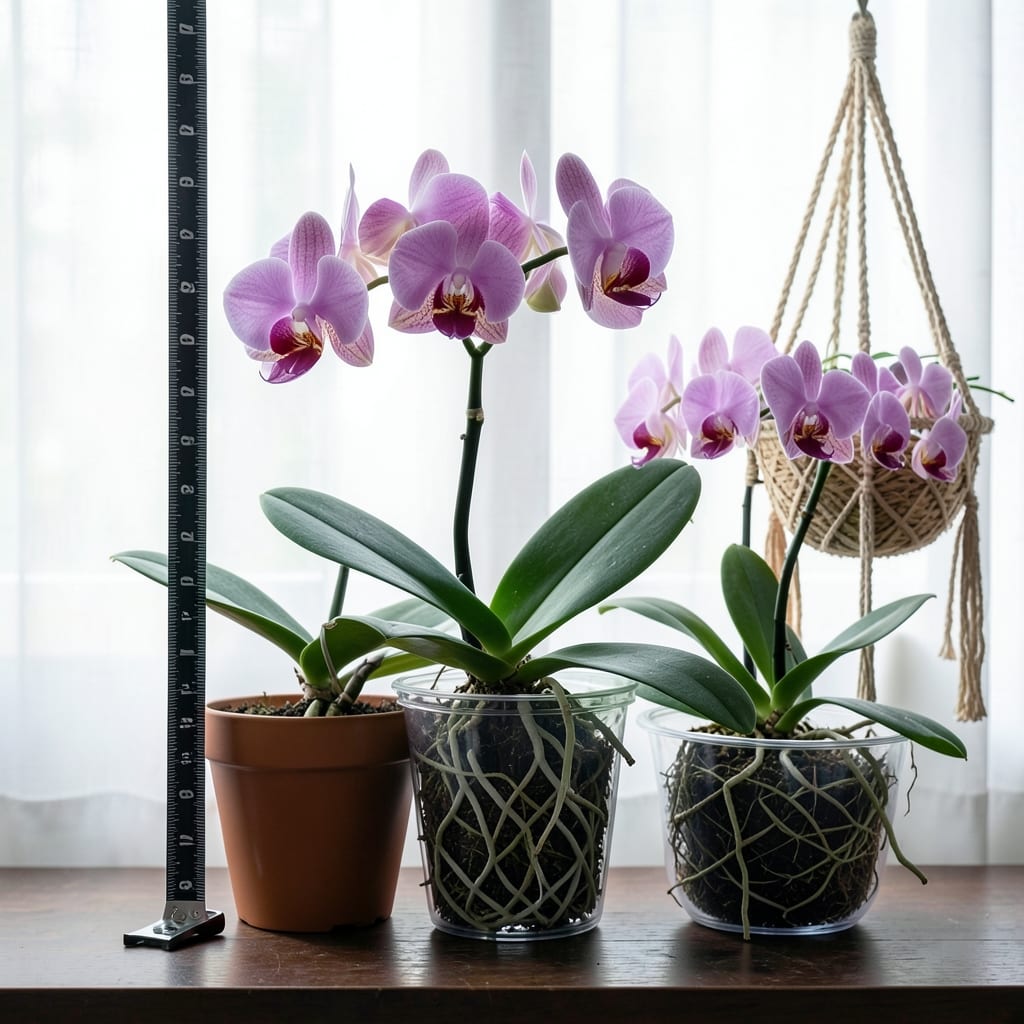
Ever wondered how tall orchids can grow when given the perfect conditions? The answer might surprise you—some varieties stretch toward the ceiling like tropical trees, while others stay compact enough for windowsill displays. But what determines whether your orchid grows as a delicate 6-inch gem or a 4-foot showstopper?
Orchid height isn’t just about genetics—light exposure, pot size, and even pruning techniques play starring roles. A Phalaenopsis might stay modest, but a Vanda or Grammatophyllum could reach heights that rival a small person! Whether you’re dreaming of a lush vertical garden or keeping your orchids tabletop-sized, understanding these factors is the key to unlocking their full potential.
Let’s break down the height ranges by species, from tiny miniature orchids to towering giants, and share expert tips for managing their growth. You’ll discover how to encourage vertical growth without stressing your plants—and which varieties thrive best in your Zone 6 space. Ready to transform your orchid care game?
From dwarf Cattleyas to sky-high Dendrobiums, we’ll cover everything you need to know to grow orchids that match your vision—whether that’s a delicate springtime centerpiece or a dramatic statement piece for your greenhouse. Let’s get started!


Orchid height by species: from tiny jewels to towering giants
Orchids come in every size imaginable, from delicate miniature varieties that fit on your windowsill to tree-like giants that dwarf even the tallest gardeners. The height range of orchids depends entirely on their species, with some reaching heights of over 10 feet in their natural habitats. Understanding these differences helps you choose the right orchid for your space—whether you have a cozy apartment or a sprawling greenhouse.
Most household orchids, like the popular Phalaenopsis (moth orchid), stay compact at 12–24 inches tall, making them perfect for indoor growing. Meanwhile, epiphytic orchids such as Vandas and Cattleyas can stretch toward the ceiling, often exceeding 3 feet with proper care. Even more dramatic are the rare giant orchids, like the Grammatophyllum, which can grow up to 15 feet tall in the wild!
If you’re working with limited vertical space, Phalaenopsis miniatures or Bulbophyllum species (some under 6 inches) are ideal. For dramatic displays, Vandas or Cattleyas add height and elegance, while Dendrobiums offer seasonal blooms without taking over your space. The tallest orchids, like Grammatophyllum, are best left to experienced growers with greenhouse setups.
Even within a single species, height variations exist due to genetics and growing conditions. For example, a Phalaenopsis grown in low light may stay shorter than one basking in bright indirect light. Similarly, hybrid orchids often combine traits—like a Cattleya-Vanda hybrid that grows taller than either parent. Always check the specific cultivar when selecting an orchid, as even miniature Phalaenopsis can occasionally produce a taller-than-expected bloom spike.
For indoor growers, height is often a space-planning consideration. A 3-foot-tall Vanda might outgrow a standard shelf, while a 12-inch Oncidium fits neatly on a desk. If you’re unsure, start with dwarf varieties like Phalaenopsis or Paphiopedilum (lady slipper orchids), which rarely exceed 18 inches. These are forgiving for beginners and still produce stunning
What limits orchid growth height: light, pot size, and pruning secrets
Orchid height isn’t just about the species—environmental factors like light exposure and container size can push your plant toward the ceiling or keep it compact. Too little light? Your orchid may stay stunted. Too much direct sun? It might grow leggy and weak. The pot size also plays a crucial role: roots need space to expand, but too much room can delay flowering and encourage excessive height.
For example, a Phalaenopsis in a 6-inch pot will likely stay under 2 feet, while the same variety in a 12-inch pot might reach 3 feet with proper care. The key is balancing root growth with nutrient availability—overpotting leads to wasted energy, while underpotting restricts vertical expansion.
🚨 WARNING: Overcrowded roots or root-bound conditions can stunt growth entirely. If your orchid’s roots are circling the pot, it’s time to repot—but choose a container only 1-2 inches larger than the current one to avoid encouraging excessive height.
Avoid These Height-Killers
- Direct sunlight causes etiolation (leggy, weak growth)
- Overwatering rots roots, halting vertical expansion
- Pruning too aggressively removes growth potential
- Using non-porous pots traps moisture, stunting roots
Pruning is another game-changer for height control. When you trim spent spikes or divide overcrowded plants, you redirect energy toward new growth. For taller orchids like Vandas, pruning encourages lateral branching, creating a fuller, bushier plant rather than a single towering stem. Always use sterilized shears and target 1-2 inches above a node for best results.
Light isn’t just about intensity—color temperature matters too. Blue-rich light (like morning sun) promotes compact growth, while red-rich light (evening sun) can elongate stems. If you’re growing orchids indoors, a grow light with a 6500K bulb will keep them shorter and stockier than natural sunlight alone.
Finally, humidity levels and temperature fluctuations indirectly affect height. Orchids in low-humidity environments (like Zone 6 winters) often grow slower, while high humidity (70%+) can encourage faster, taller growth. Use a humidifier or pebble tray to maintain ideal conditions without sacrificing control over your orchid’s height trajectory.