
Size
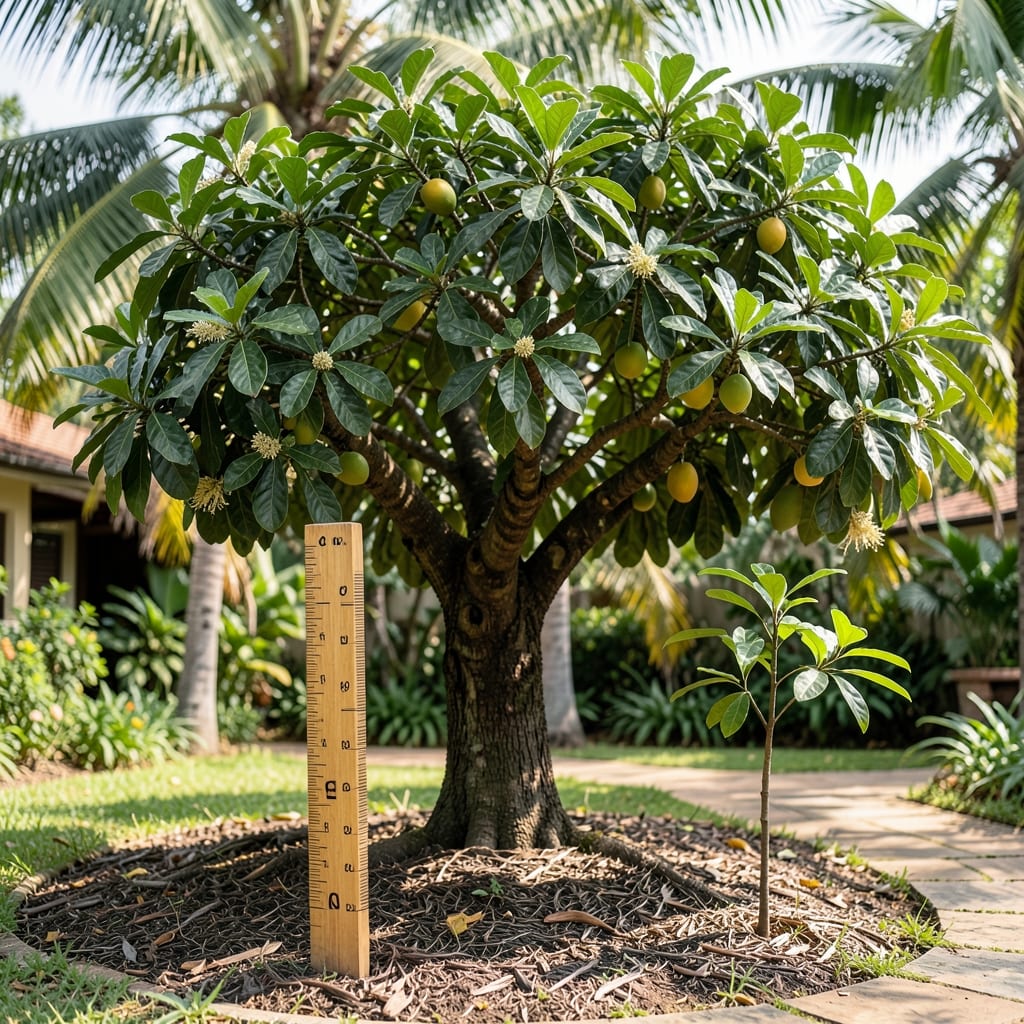
Wondering how tall can mango trees grow and whether they’ll fit in your backyard? The answer might surprise you—some varieties stretch toward the sky like tropical skyscrapers, while others stay manageable for even small spaces.
🥭 If you’re imagining a mango tree as a towering giant, you’re not wrong—standard varieties can reach 80 to 100 feet, shading entire yards and producing fruit high above your head. But here’s the good news: dwarf varieties stay between 10 to 20 feet, perfect for patios or containers.
What determines the height? Climate, soil, pruning, and even the variety play a huge role. In USDA Zones 10-11, where mangoes thrive, proper care can help you steer growth toward your ideal size—whether that’s a compact backyard tree or a full-sized fruit powerhouse.
Ready to learn how to control your mango tree’s height and choose the perfect variety for your space? Let’s break it down step by step—because the right tree can bring tropical flavors to your doorstep, no matter how much (or little) room you have.


Mango tree height by variety: from dwarf to giant heights
Mango trees are famous for their dramatic height differences—some varieties grow like skyscrapers while others stay small enough for patios. The standard varieties like Haden or Keitt can reach 80 to 100 feet, towering over homes and requiring spacious yards. But if you’re dreaming of a backyard mango tree, dwarf varieties like Cogshall or Julie top out at just 10 to 20 feet, making them perfect for containers or small gardens.
Your choice of variety isn’t just about height—it also affects fruit size, flavor, and how quickly the tree matures. For example, semi-dwarf varieties like Kent grow to 20 to 30 feet and produce fruit in 3 to 5 years, while giant varieties may take 10+ years to bear fruit but reward you with massive, juicy mangoes.
🌱 The key to managing height starts with the rootstock used for grafting. Dwarf varieties are often grafted onto dwarfing rootstock, which naturally limits their growth. Meanwhile, standard trees grow on their own roots or vigorous rootstock, allowing them to stretch toward the sky.
Climate plays a huge role in how tall your mango tree grows. In USDA Zones 10-11, where mangoes thrive year-round, trees grow faster and taller due to warm temperatures and long growing seasons. Even in these ideal zones, pruning and spacing can influence height—giving your tree room to spread horizontally can encourage a bushier, more manageable shape.
If you’re in a cooler subtropical zone (like parts of Florida or California), expect slower growth. Trees may stay shorter but still reach 30 to 50 feet if given proper care. In these areas, winter protection, like windbreaks or mulch, helps maintain healthy growth without stunting the tree.
🌿 For container growers, dwarf varieties are your best bet. Even with regular pruning, a standard mango tree in a 20-gallon pot will struggle to stay under 10 feet. But dwarf varieties like Cogshall thrive in containers, producing fruit while staying compact. Just remember: larger containers mean slower growth and more stability.
Soil quality also affects height. Mango trees need well-draining, slightly acidic soil (pH 5.0–6.5) to thrive. Poor soil can stunt growth or lead to weak branches that snap under the weight of fruit. Amending your soil with compost and organic matter ensures your tree grows strong and healthy, regardless of its mature height.
Finally, don’t forget that pollination impacts overall tree health—and indirectly, growth. Some mango varieties are self-pollinating
How to control mango tree height: pruning and care tips
Managing the height of your mango tree starts with pruning, a skill that transforms a wild, sky-reaching giant into a manageable backyard beauty. The right pruning techniques can keep a standard variety under control or encourage a dwarf variety to fill out beautifully. For me, the best time to prune is late winter or early spring, just before new growth begins. This gives your tree time to heal and prepare for the growing season.
🪴 When pruning, focus on removing upward-growing branches (called water sprouts) and any crossing or diseased branches. These cuts encourage the tree to grow wider rather than taller. For a compact shape, aim to prune back about 20-30% of the tree’s height annually. If you’re growing a dwarf variety in a container, you can be even more aggressive with pruning to maintain its size.
- Step 1: Choose the Right Tools
Use sterilized pruning shears for small branches and a pruning saw for larger limbs. Sharp tools prevent tearing and reduce the risk of disease. - Step 2: Prune for Structure
Remove suckers and water sprouts (fast-growing vertical shoots) to redirect energy to fruit production and a bushier canopy. - Step 3: Thin the Canopy
Space branches 12–18 inches apart to allow sunlight and air circulation. This prevents fungal diseases and encourages even growth. - Step 4: Shape for Balance
Prune to create a central leader (main upward branch) with evenly spaced side branches. This ensures stability and easier fruit harvesting. - Step 5: Clean Up
Remove all pruned branches from the area to prevent pests and diseases from lingering.
Spacing is another critical factor in controlling height. Mango trees need adequate room to spread—planting them too close together forces them to compete for sunlight and nutrients, often resulting in taller, weaker growth. For standard varieties, space trees 40–60 feet apart, while dwarf varieties can thrive in 15–20 feet of space. If you’re growing in containers, choose pots that are at least 24 inches in diameter for dwarf varieties.
💧 Proper watering and fertilization also influence height. Overwatering can lead to weak, leggy growth, while underwatering stunts development. Aim for deep, infrequent watering—about 15–20 gallons per week for mature trees—to encourage strong root systems. Fertilize with a balanced citrus/mango fertilizer (like 6-6-6 or 8-3-9 NPK) every 4–6 weeks during the growing season to support healthy, controlled growth.
Seasonal care makes a big difference. In summer, mango trees need extra attention—mulch around the base to retain moisture and prune lightly to remove any heat-stressed branches. In winter, reduce watering and fertilization, as the tree enters a dormant phase. For trees in cooler climates, protect young trees with burlap windbreaks or frost cloth during unexpected cold snaps.
Finally, remember that patience is key. Even with perfect care, a mango tree won’t reach its full height overnight. Dwarf varieties may take 3–5 years to mature, while standard varieties can take 10+ years. But with consistent pruning, spacing, and care, you can shape your mango tree to fit your space—whether that’s a tropical centerpiece in your backyard or a container-friendly fruit producer on your patio.