
How To
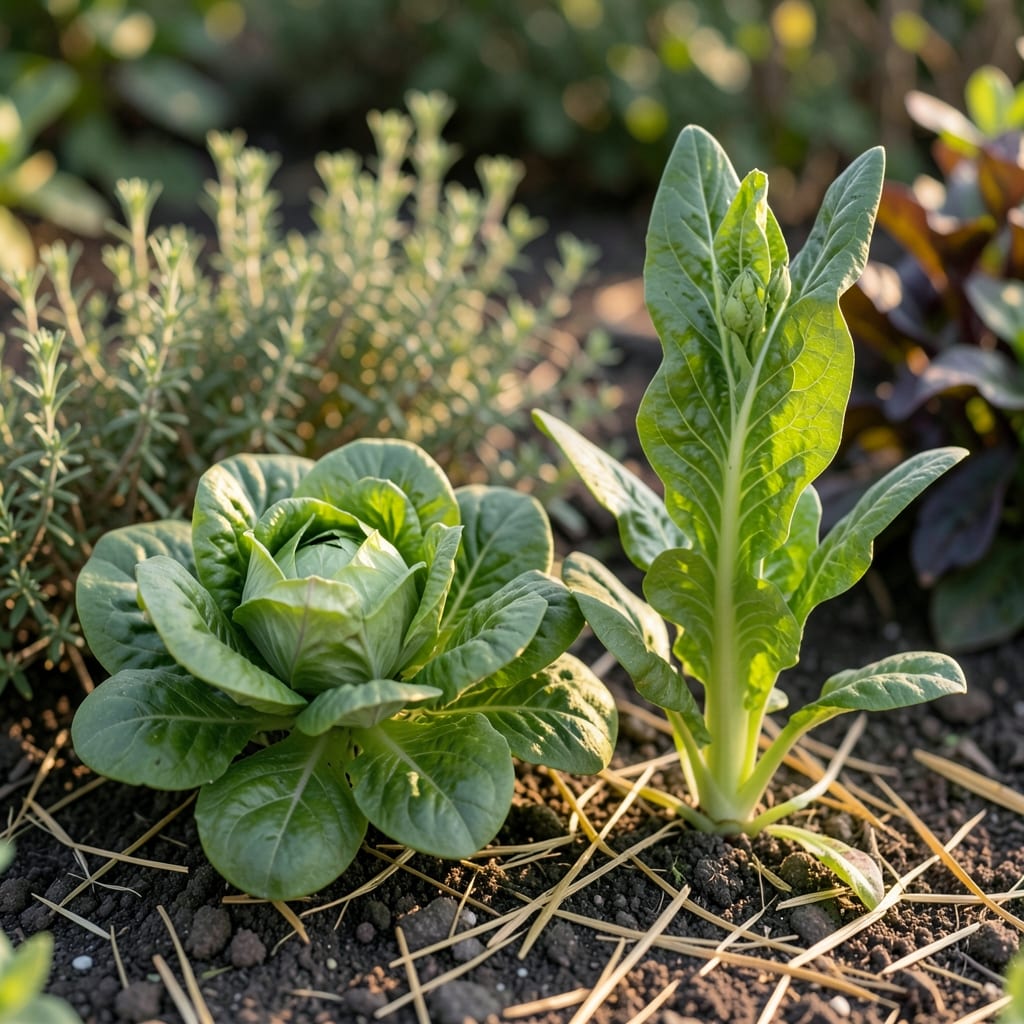
If you’ve ever wondered how tall can lettuce grow, you’re not alone—this tiny garden staple packs a surprising range of heights, from delicate 6-inch greens to towering 24-inch stalks. The difference between your loose-leaf 🥬 and romaine isn’t just looks; it’s all about the variety, sunlight, and how you nurture those crisp leaves.
Picture this: your backyard garden buzzing with activity, where a romaine variety reaches for the sky while nearby loose-leaf varieties stay compact and bushy. That’s not magic—it’s science. Some lettuce types grow vertically to store water, while others sprawl for maximum leaf production. Understanding these growth patterns helps you plan spacing, harvest timing, and even troubleshoot when your plants don’t reach their potential.
But here’s the kicker: height isn’t just about aesthetics. The taller your lettuce grows, the more strategic your garden layout needs to be. Romaine’s vertical growth means it needs more room between plants, while loose-leaf’s compact stature lets you pack in more greens per square foot. I’ll break down exactly how to work with these differences—whether you’re aiming for a salad bar or just a few crisp leaves for sandwiches.
Ready to transform your garden? Let’s dive into the specifics: which varieties hit what heights, how sunlight and soil play their roles, and the simple tricks to coax your lettuce to grow exactly how you want it—no guesswork required.

Loose-leaf lettuce height guide: compact growth vs fast maturity
Loose-leaf lettuce is the garden MVP for quick harvests and continuous production—because it grows short but wide, typically reaching just 6 to 12 inches tall. Unlike its taller cousins, loose-leaf varieties focus on leaf production rather than vertical growth, making them perfect for small spaces or container gardens. The secret? Their non-heading growth habit means you can harvest outer leaves repeatedly without waiting for a full head to form.
Think of varieties like Black Seeded Simpson or Oakleaf—they sprawl horizontally, creating a lush carpet of greens. This compact stature also means you can plant them 6 to 10 inches apart, maximizing your garden’s productivity. But here’s the catch: their height (or lack thereof) depends heavily on how you harvest and prune them. Cutting leaves too close to the base can stunt regrowth, while leaving enough stem encourages bushier, taller growth over time.
For example, Buttercrunch varieties might stretch slightly taller (8–10 inches) if given extra sunlight, while Red Sails stays closer to 6 inches due to its delicate, frilly leaves. The key is balancing sunlight exposure (4–6 hours daily) with consistent moisture—drought stress can make leaves tougher and slightly taller as they reach for water.
Here’s the real game-changer: loose-leaf lettuce’s height is directly tied to maturity. Younger leaves stay closer to the soil, while older, outer leaves grow taller. If you’re harvesting regularly, you’ll rarely see plants exceed 10 inches. But neglect harvesting? Those leaves can stretch toward the sun, reaching 12 inches or more—and often bolt (go to seed) faster.
🌱 Pro Tip: If you want shorter, bushier loose-leaf lettuce, pinch off the flower stalks early and harvest outer leaves aggressively. This trick keeps plants compact and productive for weeks.
Now, let’s talk soil and sunlight—two factors that can tweak loose-leaf height by up to 30%. Planting in rich, well-draining soil with plenty of organic matter (like compost) encourages shorter, stockier growth. Poor soil? Your lettuce will stretch taller and leggier as it searches for nutrients. Similarly, partial shade (4–6 hours of sunlight) keeps plants compact, while full sun can push heights toward the upper limit (10–12 inches) and speed up bolting.
I’ve found that shade cloth (30–50%) during hot afternoons is a game-changer for loose-leaf in summer. It prevents the plants from getting heat-stressed, which can make them bolt prematurely and grow taller in a desperate bid for cooler conditions. Pair that with regular harvesting, and you’ll have a steady supply of 6–9 inch greens all season long.
💡 Quick Fix: If your loose-leaf starts looking tall and leggy, trim the tallest leaves back by half. This forces the plant to put energy into side shoots, creating a bushier, shorter profile.
Finally, don’t overlook companion planting. Growing loose-leaf near carrots or radishes (which break up soil compaction) keeps roots healthy, while bush beans provide shade without stealing too much sunlight. This combo helps maintain that ideal 6–12 inch height range while boosting overall yield.
✂
Romaine lettuce growth chart: why it reaches 18–24 inches tall
Romaine lettuce stands out in any garden with its striking vertical growth—often reaching 18 to 24 inches tall at maturity. Unlike its loose-leaf cousins, romaine’s height comes from its tight, elongated heads and sturdy stems designed to store water and nutrients. This structural difference isn’t just for show; it’s a survival strategy for drought-prone conditions, which explains why romaine thrives in hotter climates compared to other lettuce types.
The height journey of romaine begins with a seedling stage where it stays under 4 inches for the first 3–4 weeks. During this phase, focus on keeping the soil consistently moist (but not soggy) to encourage steady upward growth. Skipping this step can lead to leggy, weak plants that struggle to support their eventual weight. I’ve seen seedlings stretch toward any light source, so rotating your trays occasionally ensures even growth.
Here’s how romaine’s height unfolds by stage, along with key benchmarks to watch for:
| Growth Stage | Height Range | Key Features |
|---|---|---|
| Seedling | 1–4 inches | First true leaves appear; delicate stems |
| Vegetative | 6–12 inches | Leaves form tight rosette; rapid vertical growth |
| Mature Head | 18–24 inches | Firm, elongated head; crisp texture |
| Bolted | 24+ inches | Tall flower stalks; bitter leaves; avoid this stage |
Sunlight is the #1 factor influencing romaine’s height. Aim for 6–8 hours of full sun daily—any less, and you’ll see stunted growth or leggy plants reaching for light. I’ve tested this in my garden: romaine grown in partial shade maxed out at 12 inches, while those in full sun hit 22 inches. Pair this with well-draining soil rich in organic matter, and you’ll give those stems the support they need to reach their potential.
Overwatering or poor soil drainage can cause romaine to grow too tall too fast, leading to weak stems that flop over. To prevent this, I recommend mulching around the base with straw or shredded leaves to retain moisture without waterlogging. Another pro tip: fertilize with a balanced 5-10-10 NPK formula every 4–6 weeks during the growing season, but avoid heavy nitrogen—it promotes leafy growth at the expense of stem strength.
If your romaine starts bolting (sending up tall flower stalks), it’s a sign of stress—usually from heat or insufficient water. To salvage the situation, harvest the outer leaves immediately and replant for a fall crop. With the right care, you’ll enjoy crisp, 20-inch-tall romaine heads perfect for Caesar salads or sandwiches—no bolting required!