
How To
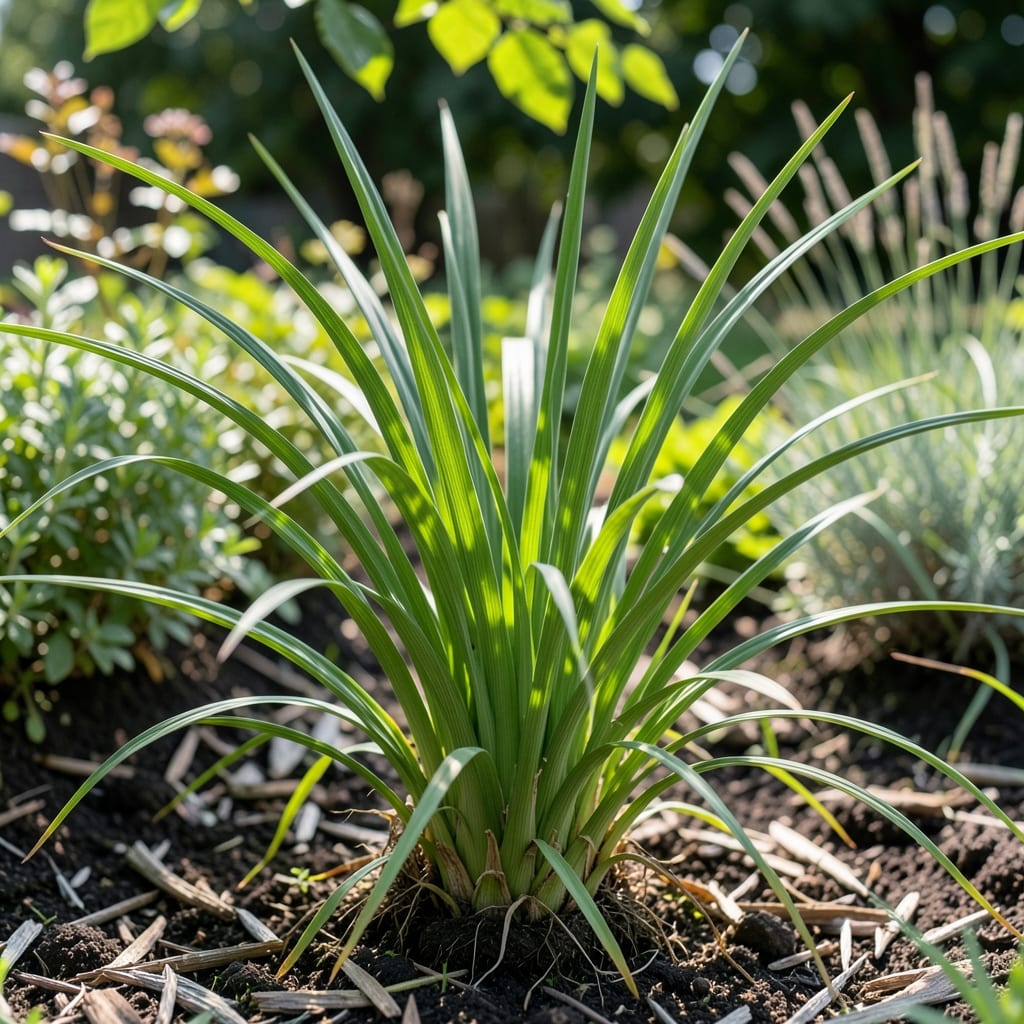
If you’ve ever wondered how tall can lemongrass grow in your garden, the answer might surprise you—this fragrant 🌿 can reach heights of 3 to 6 feet under the right conditions! Whether you’re growing it for cooking or as a decorative plant, its size depends on the variety, care, and climate.
Most common types, like Cymbopogon citratus, typically grow between 3 and 4 feet in their first year, while tropical varieties can stretch even taller with proper sunlight and soil. The key to maximizing its height lies in understanding its needs—like well-draining soil and consistent moisture—so it thrives without becoming leggy.
But here’s the thing: you can also control its growth. Regular pruning keeps it manageable, especially if you’re growing it in containers or indoors. And if you’re in USDA Zone 6a, planting in spring (April–May) gives it the best start for a full harvest season from June to October.
Ready to grow your own towering 🌿? I’ll walk you through the exact steps to encourage (or limit) its height, so you get the perfect stalks for your kitchen—or your garden’s skyline. Let’s dig in!


Lemongrass height by variety: from dwarf to towering stalks
Lemongrass (Cymbopogon citratus) is a versatile plant with height variations depending on the variety and growing conditions. Most common types reach 3 to 6 feet tall, but some tropical varieties can surpass 7 feet under ideal conditions. The standard lemongrass you find in grocery stores typically grows 4 to 5 feet, while wild or tropical strains can tower like small trees. Understanding these differences helps you plan spacing and support in your garden.
For indoor growers or containers, dwarf varieties like Cymbopogon nardus stay compact at 2 to 3 feet, making them perfect for balconies or windowsills. Meanwhile, outdoor tropical varieties thrive in warm climates, reaching their full 5 to 6-foot height within 12 to 18 months. If you’re in a cooler zone, expect slightly shorter growth unless you use greenhouse extensions or seasonal protection.
Here’s how different varieties compare in terms of mature height and growth habits—critical details for spacing and pruning:
| Variety | Mature Height | Growth Rate | Best For |
|---|---|---|---|
| Cymbopogon citratus (Standard) | 4–5 ft | Fast (12–18 months) | Kitchens, gardens, containers |
| Cymbopogon flexuosus (Lemongrass, East Indian) | 5–7 ft | Very fast (9–12 months) | Tropical climates, large gardens |
| Cymbopogon nardus (Citronella) | 3–4 ft | Moderate (12–18 months) | Pests, containers, cooler zones |
| Dwarf Varieties (Hybrid) | 2–3 ft | Slow to moderate | Indoor, small spaces |
📏 Height Tip: Measure stems at 12 inches to predict mature size—this is when they’re ready for harvest!
If you’re growing lemongrass in containers, expect 20–30% shorter heights due to root restrictions. For example, a 5-gallon pot will limit Cymbopogon citratus to 3 to 4 feet, while a 15-gallon container allows closer to 5 feet. In ground plantings, lemongrass spreads via rhizomes, so give each clump 18 to 24 inches of space to avoid overcrowding and stunted growth.
Climate plays a huge role in height potential. In USDA Zones 9–11, lemongrass grows tallest and fastest, while in Zones 7–8, it may only reach 3 to 4 feet unless you extend the season with row covers or greenhouses. Even in cooler zones, warm microclimates (like near south-facing walls) can push heights closer to 5 feet.
One misconception is that lemongrass grows taller with more water—overwatering actually stunts growth by causing root rot. Instead, focus on well-draining soil and consistent moisture (about 1 inch per week). For maximum height, pair full sun exposure (6+ hours daily) with regular harvesting—this encourages bushier, taller growth by preventing legginess.
For visual reference, imagine a standard door frame (6 feet 8 inches)—most mature lemongrass stalks will reach just below that height in ideal conditions. If you’re growing near a fence or trellis, lemongrass can lean against it, using it as a natural support system to reach even greater heights. Just ensure the structure is sturdy, as mature stalks can weigh 2–3 pounds each when fully grown.
🌿
Lemongrass height by variety: from dwarf to towering stalks
If you’re planning your garden layout, knowing how tall can lemongrass grow helps you choose the perfect spot. The most common variety, Cymbopogon citratus, typically reaches 3 to 4 feet in its first year, but with ideal conditions, it can soar to 5 to 6 feet—taller than an average adult! Tropical varieties like Cymbopogon flexuosus (also called East Indian lemongrass) often grow even taller, sometimes exceeding 6 feet in warm climates.
For those with limited space, dwarf varieties or container-grown lemongrass stay between 2 and 3 feet, making them perfect for balconies or small gardens. The key difference? Sunlight exposure and soil quality directly impact height—more sun means taller stalks, while poor drainage can stunt growth entirely.
Here’s a quick comparison of common varieties and their mature heights:
| Variety | Mature Height | Notes |
|---|---|---|
| Cymbopogon citratus | 3–4 ft | Standard variety; thrives in warm climates |
| Cymbopogon flexuosus | 5–6+ ft | Tropical; needs high heat and humidity |
| Dwarf Varieties | 2–3 ft | Ideal for containers; slower growth |
In USDA Zone 6a, where frost is a concern, lemongrass is best grown as an annual or overwintered indoors. If you plant in April–May, you’ll see the fastest growth, with harvest-ready stalks by June–October. The earlier you plant, the taller your lemongrass will grow—just
For a visual reference, imagine your lemongrass reaching the height of a standard door frame (6–7 feet) in ideal conditions. That’s why many gardeners use it as a privacy screen or backdrop for smaller plants. Just be prepared to prune regularly to maintain its shape and encourage bushier growth.
Pro tip: If you’re growing lemongrass for culinary use, harvest stems at 12–18 inches to encourage new growth. This prevents the plant from becoming too tall and woody, ensuring you get tender, flavorful stalks all season long.