
Size
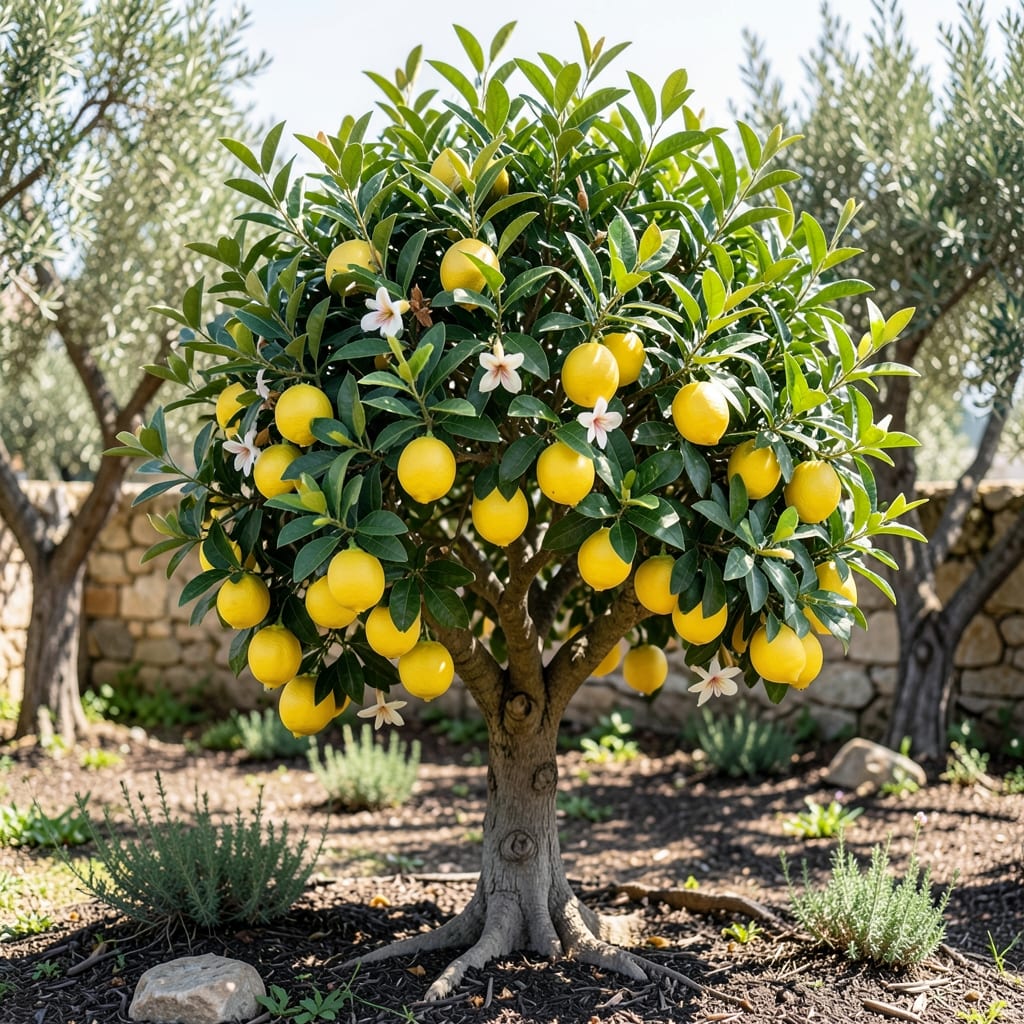
Ever wondered just how tall your 🍋 Lemon Tree could grow if you planted one today? The answer might surprise you—some varieties stay compact enough for your kitchen counter, while others stretch taller than your two-story house!
If you're dreaming of growing your own citrus tree but space is a concern, don't worry. The height of a lemon tree depends entirely on its variety, growing conditions, and how you care for it. Whether you're in USDA Zone 6a or a warmer climate, there's a perfect size for every garden—from dwarf varieties that fit in pots to towering giants that need plenty of room.
In this guide, I'll break down everything you need to know about lemon tree heights, from the smallest dwarf varieties that stay under 10 feet to the rare giants that can reach 60 feet or more. You'll also discover how to control growth with pruning, training, and grafting—so you can grow the perfect-sized tree for your space.
Ready to find out which lemon tree fits your home best? Let's explore the possibilities and help you grow the citrus tree of your dreams—no matter how big (or small) you want it to be!


Lemon tree height by variety: from dwarf to towering giants
When it comes to lemon tree heights, the possibilities are as varied as the flavors they produce. The Meyer lemon, a popular choice for home gardeners, typically reaches 6 to 10 feet at maturity, making it perfect for containers or small patios. Meanwhile, the classic Eureka lemon can grow a staggering 15 to 25 feet, rivaling the height of a two-story house!
But here’s the exciting part: some rare lemon tree varieties, like those grown in tropical climates, can even reach 40 to 60 feet—taller than a telephone pole! The key difference lies in their rootstock and growing conditions. Dwarf varieties are often grafted onto smaller rootstock, while standard trees grow on their own roots or larger rootstock, allowing them to stretch skyward.
Below, I’ve broken down the most common lemon tree varieties by their mature heights, so you can choose the perfect size for your space—whether you’re growing in a 5-gallon pot or a spacious backyard.
| Variety | Mature Height | Best For | Growth Rate |
|---|---|---|---|
| Meyer Lemon | 6–10 ft | Containers, patios, small gardens | Moderate (1–2 ft/year) |
| Improved Meyer | 8–12 ft | Balconies, large pots, urban gardens | Moderate (1.5–2 ft/year) |
| Eureka Lemon | 15–25 ft | Backyards, large landscapes | Fast (2–3 ft/year) |
| Lisbon Lemon | 20–30 ft | Commercial orchards, large properties | Fast (2.5–4 ft/year) |
| Villafranca Lemon | 12–20 ft | Medium-sized gardens, containers (with pruning) | Moderate (1.5–2.5 ft/year) |
| Ponderosa Lemon | 40–60 ft (rare, tropical climates) | Orchards, large estates (not for home gardens) | Very fast (3–5 ft/year) |
If you’re growing a lemon tree in USDA Zone 6a or cooler climates, you’ll need to choose a dwarf or semi-dwarf variety like the Meyer or Improved Meyer. These varieties are hardier and can even be grown in large containers on a sunny patio. Standard varieties like Eureka or Lisbon thrive in warmer zones but may need winter protection in colder areas.
Another factor that influences height is pruning habits. Regular pruning can keep even standard varieties under control, while neglect can lead to unruly growth. For example, a 10-foot Meyer lemon left unpruned for years might reach 15 feet or more as it grows wild. On the other hand, aggressive pruning can keep a standard variety like Eureka at a manageable 8 to 10 feet.
For those with limited space, grafting is a game-changer. By grafting a dwarf variety onto a standard rootstock, you can enjoy the benefits of a compact tree while still benefiting from the root system of a larger variety. This technique is commonly used by commercial growers but can also be done at home with the right tools and knowledge.
Now that you know the height ranges, you might be wondering: Can I grow a lemon tree indoors? The short answer is yes, but with limitations. Dwarf varieties like Meyer lemons can thrive near a south-facing window with proper care, but they’ll likely stay smaller than their outdoor counterparts. For best results, place your tree in a bright, sunny spot and supplement with a grow light if needed.
Remember, the height of your lemon tree isn’t set in stone—it’s entirely up to you! With the right variety, pruning, and care, you can grow a lemon tree that fits your space perfectly, whether you want a countertop-sized tree or a backyard giant.
Lemon tree height by variety: from dwarf to towering giants
Choosing the right lemon tree variety is the first step to controlling its height. Some varieties stay small enough for container gardening, while others grow tall enough to shade your entire backyard. The key difference lies in their genetic growth habits and how they respond to pruning.
For example, the Improved Meyer lemon is a popular dwarf variety that typically reaches only 6-10 feet at maturity, making it perfect for patios or indoor growing. On the other end of the spectrum, the Villafranca lemon can grow up to 20-30 feet without intervention, requiring a large yard or professional pruning.
🌱
| Variety | Mature Height | Best For | Notes |
|---|---|---|---|
| Improved Meyer | 6-10 ft | Containers, Patios | Cold-hardy, sweet fruit |
| Eureka | 15-25 ft | Backyards, Large Gardens | Classic lemon, high yield |
| Lisbon | 20-30 ft | Orchards, Rural Areas | Thick-skinned, great for juicing |
| Villafranca | 20-30 ft | Large Gardens | Tallest standard variety |
| Giant Varieties (Rare) | 40-60 ft | Specialty Gardens | Needs professional care |
Even within the same variety, factors like climate, soil quality, and water availability can influence how tall your lemon tree grows. For instance, a Meyer lemon in USDA Zone 9 with rich soil may reach 12 feet, while one in Zone 6a might stay closer to 8 feet due to colder winters.
If you're growing lemons in containers, expect even more compact growth—often 30-50% smaller than their in-ground counterparts. The root restriction naturally limits height, but you'll still need to prune regularly to maintain shape and encourage fruit production.
For those with limited space, consider grafting a dwarf variety onto a standard rootstock. This technique allows you to enjoy the benefits of a smaller tree while maintaining the fruit quality of larger varieties. Just remember, grafted trees may take 1-2 years to bear fruit compared to seed-grown trees.
🌿