
Size
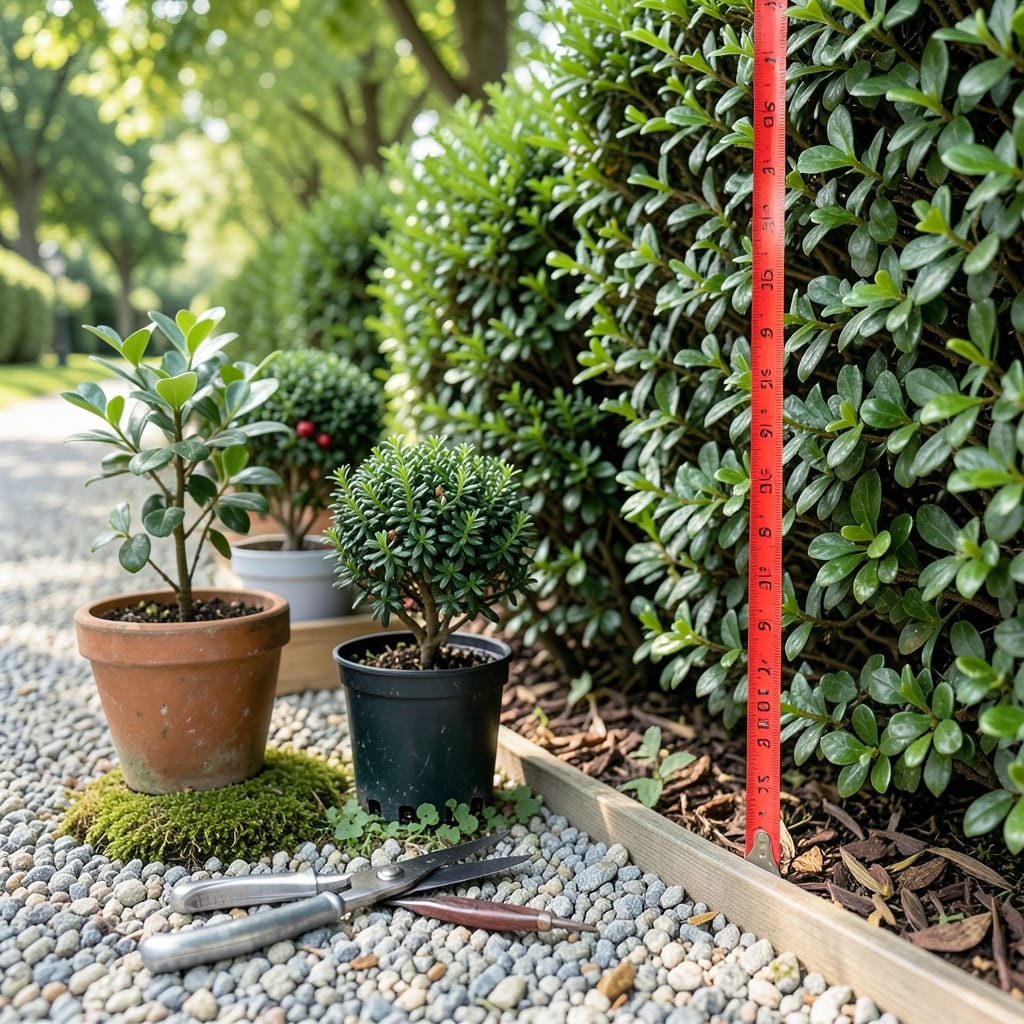
Ever stared at your yard and wondered how tall your hedges could grow if you let them? The answer might surprise you—some varieties stretch taller than a two-story house, while others stay neatly trimmed at waist height. The difference comes down to species, care, and a little strategic pruning.
If you're dreaming of a privacy wall made of lush greenery or just want to add vertical interest to your landscape, understanding hedge growth potential is the first step. We'll break down the tallest varieties, how to control their height, and what to watch out for when they start reaching for the sky.
From fast-growing giants like Leyland Cypress to slow-and-steady boxwoods, each type has its own growth story. I'll show you how to pick the right one for your space and keep it at the perfect height—whether that means 3 feet or 30 feet. Let's get growing!
Ready to turn your yard into a verdant masterpiece? You'll learn which hedges defy gravity, how often to prune them, and why some neighborhoods have rules about hedge height. Spoiler: It's not just about aesthetics—it's about balance, too.


Tallest hedge species: which varieties reach sky-high heights?
If you're chasing that privacy wall or dramatic landscape feature, some hedges can grow taller than your two-story house—yes, really! The tallest hedge species like Leyland Cypress and Thuja Green Giant are engineered for vertical dominance, while others like bamboo and photinia offer fast growth to reach impressive heights in just a few years.
Your climate zone plays a huge role—cooler regions favor evergreens like yew, while warmer zones thrive with rapid-growing photinia or bamboo. Even holly hedges can stretch to 15 feet with the right conditions. Let’s break down the tallest varieties and their sky-high potential.
🌿
| Variety | Max Height | Growth Rate | Ideal Climate | Notes |
|---|---|---|---|---|
| Leyland Cypress | 60-70 ft | 3-4 ft/year | Zones 6-10 | Fast-growing, needs full sun |
| Thuja Green Giant | 30-40 ft | 2-3 ft/year | Zones 5-9 | Drought-tolerant, dense foliage |
| Bamboo (Running) | 50+ ft | 5-10 ft/year | Zones 7-11 | Aggressive spread, contains roots |
| Photinia 'Red Robin' | 15-25 ft | 2-3 ft/year | Zones 7-9 | Bright foliage, thrives in heat |
| English Holly | 15-20 ft | 1-2 ft/year | Zones 5-9 | Spiny leaves, evergreen |
| Emerald Green Arborvitae | 12-15 ft | 1-2 ft/year | Zones 3-8 | Cold-hardy, slow-growing |
For ultra-tall hedges, Leyland Cypress and bamboo are the top contenders, but they require regular pruning to maintain health and shape. If you're in a cooler climate, Thuja Green Giant or Emerald Green Arborvitae are hardy choices that still hit 30 feet with patience.
Photinia and holly offer color and texture while reaching 15-25 feet, perfect for accent hedges or windbreaks. Just remember: soil quality and watering consistency are non-negotiable for these giants. Skimp on care, and you’ll end up with a stunted, leggy mess instead of a towering masterpiece
Pruning limits and growth control: how to manage hedge height
Pruning is the secret weapon for controlling hedge height—whether you want a neat 3-foot barrier or a 15-foot privacy wall. Without proper pruning, even fast-growing species like Leyland Cypress can become unruly, blocking sunlight and inviting pests. The key is knowing when, how, and how much to trim to encourage healthy, controlled growth.
Most hedges tolerate light pruning year-round, but heavy pruning should happen in late spring or early summer when new growth is active. Avoid cutting back more than one-third of the hedge's height in a single session—this prevents shock and promotes dense foliage. For example, a 10-foot Thuja Green Giant should never be reduced to 3 feet in one prune.
- Stunted growth from removing too many leaves at once
- Increased disease risk when cuts expose old wood
- Sunburn damage to inner branches after heavy trimming
For tall hedges (10+ feet), invest in a polesaw or telescoping hedge trimmer to avoid ladder accidents. Prune in layers, starting at the top and working downward, to maintain an even shape. Evergreens like Arborvitae benefit from an annual "haircut" in early summer, while deciduous hedges like Photinia can handle late-winter pruning before new buds form.
Seasonal timing matters too: Spring pruning encourages summer growth, while fall pruning (before frost) helps harden off new wood. If your hedge is overgrown by 50% or more, prune it back gradually over 2-3 years to avoid stress. For example, reduce a 20-foot Leyland Cypress to 15 feet in year one, then 12 feet in year two.
Soil and sunlight also influence height control. Well-draining soil with composted organic matter supports stronger root systems, while full sun (6+ hours daily) fuels faster growth. If your hedge is too leggy, it may need more sunlight or a balanced fertilizer with equal NPK ratios (like 10-10-10) applied in early spring.
Remember: Patience is key. Even with aggressive pruning, most hedges grow 6-12 inches per year. A 6-foot hedge might take 3-5 years to reach maturity, while a 20-foot specimen could require a decade. Plan ahead, and your hedge will thank you with lush, vibrant growth—without overpowering your landscape! 🌿✂️