
Vegetables
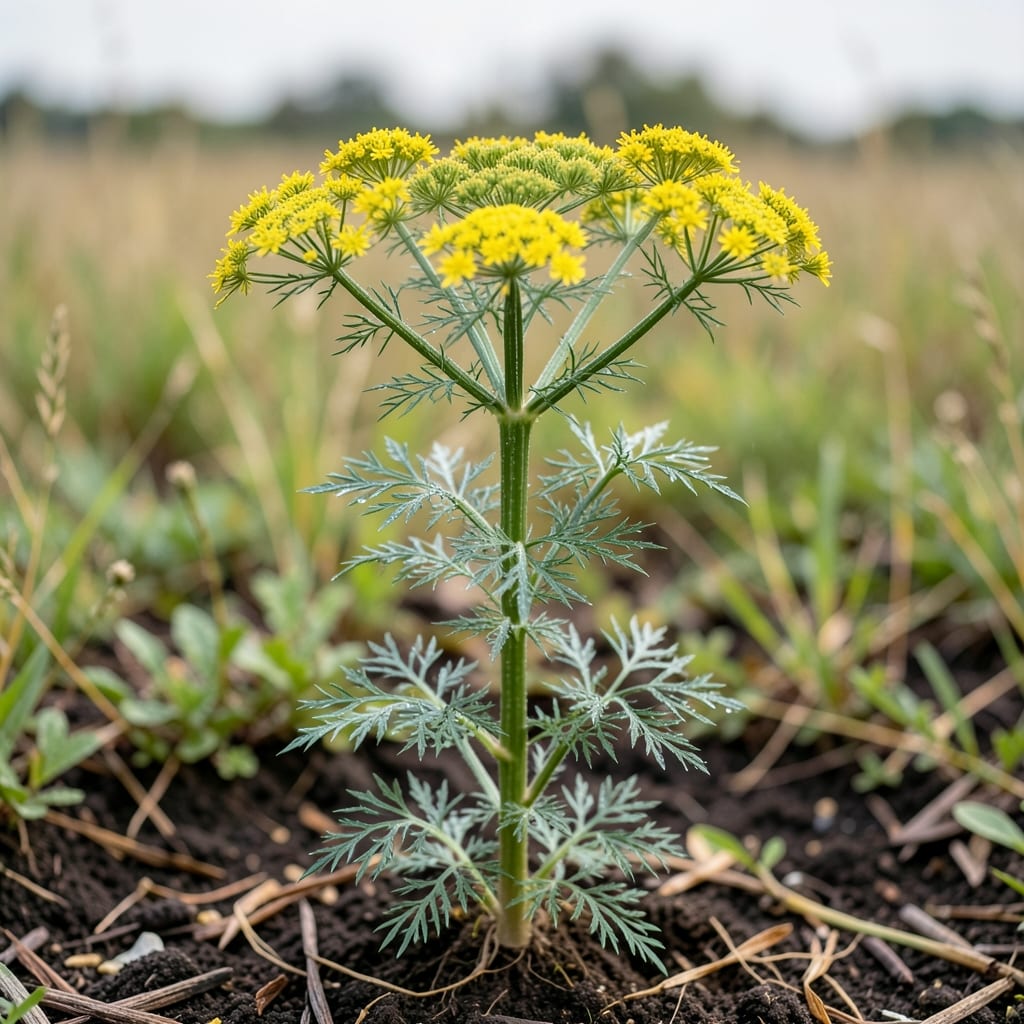
Dill varieties and their maximum height: from compact to towering
When I first planted dill in my backyard garden, I was surprised by how quickly it shot up—taller than my kitchen counter! But not all dill varieties grow to the same sky-high heights. Some stay compact and bushy, while others reach for the clouds. The variety you choose determines whether your dill will be a towering giant or a neatly contained bush.
Dill is a biennial plant that typically grows 3 to 5 feet tall in its first year, with some varieties stretching even higher. In its second year, it can reach its maximum height potential, especially if you allow it to bolt. But with proper pruning and harvesting, you can control its growth and keep it at your desired height.
Here’s a breakdown of the most popular dill varieties and their typical height ranges, so you can plan your garden layout accordingly. Whether you’re growing dill for fresh leaves, dried seeds, or both, knowing these heights will help you space plants correctly and avoid overcrowding.
| Variety | Height Range | Growth Habit | Ideal Spacing | Best For |
|---|---|---|---|---|
| Bouquet | 2–3 ft | Bushy, compact | 12–18 in apart | Container gardening, fresh leaves |
| Mammoth Long Island | 4–5 ft | Tall, slender stems | 24 in apart | Dried seeds, large harvests |
| Fernleaf | 3–4 ft | Medium height, bushy | 18 in apart | Balanced leaf and seed production |
| Duke | 2–3 ft | Compact, early maturing | 12 in apart | Short-season gardens, quick harvests |
| Sowilo | 3–4 ft | Tall, upright | 20 in apart | Dried seeds, ornamental use |
If you’re growing dill in containers, opt for the Bouquet or Duke varieties, as they stay shorter and won’t overwhelm small pots. For large gardens or raised beds, the Mammoth Long Island variety is a fantastic choice if you want to maximize seed production and don’t mind the extra height.
The Fernleaf variety is a great middle-ground option, offering a balance between height and bushiness. It’s perfect if you want a moderate-sized plant that’s easy to maintain and harvest from regularly. I’ve found that Fernleaf also produces a steady supply of leaves throughout the growing season, making it ideal for cooks who use dill frequently.
When planning your garden, remember that dill can bolt quickly in hot weather, especially if it’s not getting enough water. Bolting means the plant will focus its energy on producing flowers and seeds rather than leaves. To delay bolting and encourage taller growth, keep the soil consistently moist and provide full sun exposure.
For those growing dill in cooler climates, like USDA Zone 6a, you might notice slower growth in the early spring. However, once temperatures rise, dill can sprout rapidly and reach its full height potential within 60 to 75 days. If you’re in a shorter growing season, consider starting seeds indoors or using a row cover to extend the season.
One of my biggest gardening lessons with dill was learning how to support tall varieties. If you’re growing Mammoth Long Island or Sowilo, their slender stems can get top-heavy with seed heads and may need staking or trellising. I’ve used simple bamboo stakes tied to the stems to keep them upright and prevent them from flopping over.
How to control dill height: pruning, pinching, and harvesting techniques
Dill’s height isn’t set in stone—your pruning habits and harvesting timing can dramatically shape its growth. Tall varieties like Mammoth Long Island can reach 5 feet or more, but with the right techniques, you can keep them manageable or encourage even greater height. The key lies in understanding when to pinch, prune, and harvest for optimal results.
For bushier, compact dill plants, focus on regular pruning and pinching the tips. This encourages lateral growth, creating a fuller plant that stays shorter. If you’re growing dill for its seed heads or simply want towering stems, let it grow taller and harvest selectively. The goal is to balance growth stimulation with plant health—neither overcrowding nor neglect will yield the best results.
🌿
Step-by-Step Guide to Managing Dill Height
- Pinch Young Plants: When dill seedlings reach 6–8 inches, pinch off the top 2–3 inches to encourage branching. This creates a bushier plant and prevents it from growing too tall too quickly.
- Prune Regularly: Throughout the growing season, trim back 1/3 of the plant’s height every 4–6 weeks to maintain shape and encourage new growth. Use clean, sharp pruning shears to avoid damaging stems.
- Harvest Leaves Early: For shorter, leafier dill, harvest leaves from the bottom up as soon as they’re large enough to use. This prevents the plant from channeling energy into tall flower stalks.
- Let Seed Heads Form: If you want tall dill for seeds or aesthetics, avoid pruning the flower stalks. Allow them to mature fully for the tallest possible growth, often reaching 5+ feet.
- Avoid Overcrowding: Space plants 12–18 inches apart to prevent competition for nutrients. Overcrowded dill will stunt growth and produce weak stems.
- Support Tall Varieties: For varieties like Mammoth Long Island, use stakes or cages to prevent flopping. This also protects leaves from soil-borne diseases.
One common mistake gardeners make is waiting too long to prune. If you let dill grow unchecked until it bolts, you’ll end up with a single, woody stalk and fewer leaves. Instead, think of pruning as a conversation with your plant: guide its growth by responding to its needs. For example, if you notice the plant leaning, it’s time to stake it or prune uneven growth to encourage balance.
Harvesting is another critical factor. If you’re growing dill for its leaves, harvest frequently to stimulate new growth. But if you’re after seeds, let the plant flower and mature—this is when it will reach its maximum height. The trade-off? You’ll sacrifice some leaf production for those towering stems. Weigh your goals: bushy greens or tall seed stalks?
Pro tip: Deadhead spent flowers to redirect the plant’s energy back into leaf production. This keeps dill lush and green longer, even as it grows taller. It’s a simple trick that can add weeks to your harvest season while keeping your dill looking its best. With these techniques, you’ll have control over dill’s height—whether you want a compact bush or a sky-scraping giant.