
How To
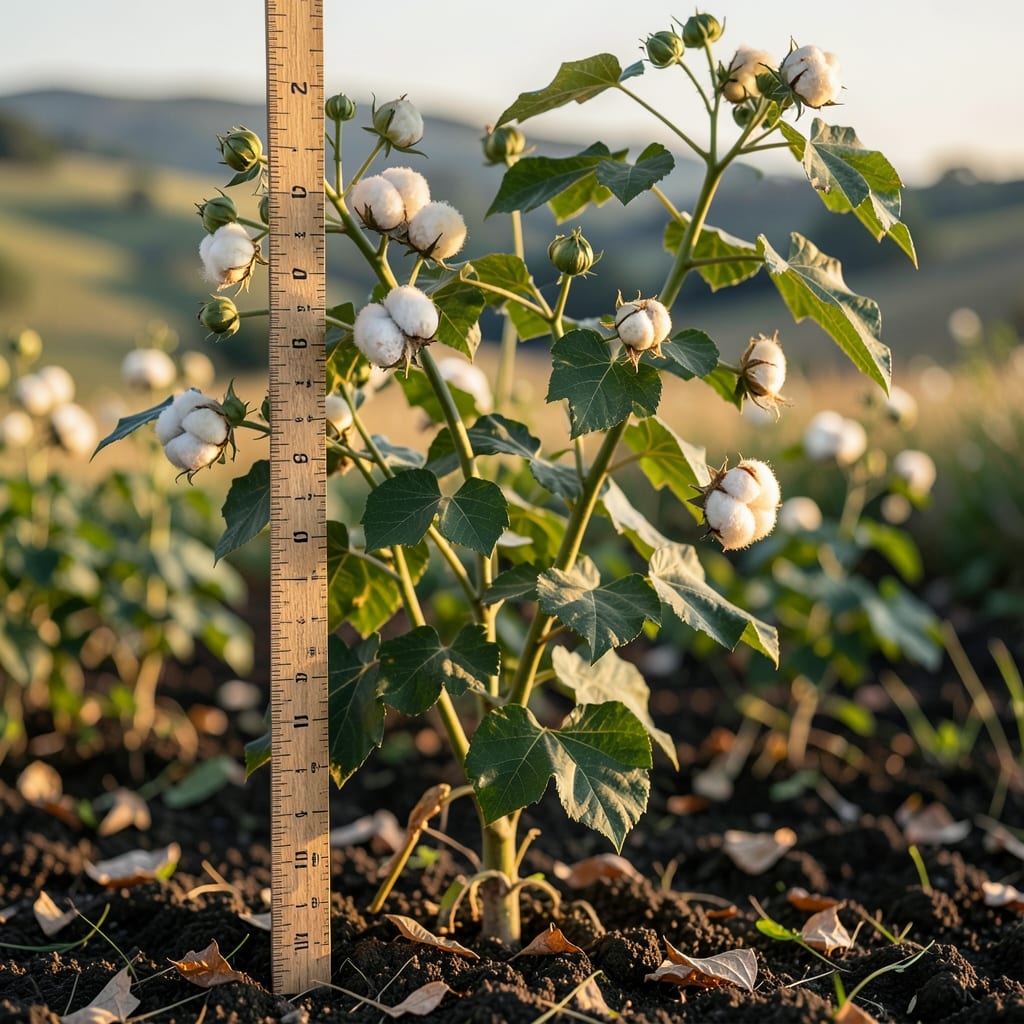
If you're wondering how tall can cotton grow in your garden, the answer might surprise you—this fluffy favorite 🧵 can reach heights that dwarf most backyard plants, depending on the variety and growing conditions.
Picture this: a cotton plant in your USDA Zone 6a garden could easily stretch to 5-6 feet or more, while dwarf varieties stay compact at just 2-3 feet. The difference comes down to genetics, climate, and care, which means you can tailor your cotton crop to fit your space perfectly.
Whether you're a small-scale gardener or dreaming of a commercial-sized harvest, understanding these growth patterns is key to maximizing your yield. I'll break down the factors that influence height, from soil quality to sunlight exposure, so you can grow cotton like a pro.
Ready to transform your garden into a cotton field? Let's explore how to nurture these plants to their full potential—because with the right approach, you could be harvesting fluffy bolls in no time.


Cotton plant height by variety: dwarf vs. upland vs. Pima
Cotton plants come in a stunning range of heights, from compact dwarf varieties perfect for small gardens to towering commercial giants reaching over 6 feet. The variety you choose directly impacts how much space your plants will need and how much yield you can expect. For example, Gossypium hirsutum (upland cotton) is the most common commercial type, while Gossypium barbadense (Pima cotton) grows taller but produces finer fibers.
If you're working with limited space, dwarf cotton varieties like 'Dwarf Upland' can stay between 2-3 feet tall, making them ideal for containers or small backyard plots. Meanwhile, standard varieties like 'Delta Pine' can soar to 5-6 feet or even taller in optimal conditions. The right choice depends on your goals—whether you're growing for fiber, seeds, or just the novelty of fluffy bolls.
Here’s how the most popular cotton varieties compare in terms of height and suitability for different growing environments:
| Variety | Mature Height | Best For | Notes |
|---|---|---|---|
| Dwarf Upland (e.g., 'Dwarf Upland') | 2-3 ft | Containers, small gardens | Compact, early maturing, great for beginners |
| Semi-Dwarf Upland (e.g., 'Acala') | 3-4 ft | Backyard plots, small farms | Balanced height, good yield, drought-tolerant |
| Standard Upland (e.g., 'Delta Pine') | 5-6 ft | Commercial fields, large gardens | High yield, needs ample space, thrives in warm climates |
| Pima Cotton (e.g., 'Pima S-7') | 4-7 ft | High-end fiber, specialty markets | Longer fibers, slower growth, needs consistent water |
Genetics play a huge role in determining height, but environmental factors like sunlight exposure and soil nutrients can push plants to grow even taller—or keep them shorter if conditions aren’t ideal. For instance, Pima cotton often grows taller in USDA Zone 8-10 due to longer growing seasons, while dwarf varieties might max out at 2 feet in cooler zones like Zone 6a.
If you're growing cotton for fiber production, taller varieties like Pima or standard upland cotton will give you more yield, but they require more space and careful pruning to support their height. On the other hand, dwarf varieties are perfect for small-space growers or those who want to experiment with cotton in containers. The key is matching the variety to your climate and available space.
Pro tip: If you're planting multiple varieties, space them accordingly. A 6-foot-tall standard upland cotton needs at least 18-24 inches between plants to avoid overcrowding, while dwarf varieties can thrive with just 12 inches of space. This spacing ensures each plant gets enough sunlight and air circulation to reach its full height potential.
For those in cooler climates, consider starting seeds indoors or using black plastic mulch to warm the soil. This can help dwarf varieties grow slightly taller and standard varieties reach their maximum height faster. The goal is to give your cotton plants the best possible start, whether you're aiming for a compact bush or a towering giant.
Remember, cotton is an annual plant, so each growing season is a fresh opportunity to experiment with different varieties and see how they perform in your specific conditions. Keep track of which plants thrive and which struggle—this knowledge will help you fine-tune your approach for future seasons.
Whether you're growing cotton for its fluffy bolls, seeds, or just the challenge of cultivating a plant that can grow so dramatically, choosing the right variety is the first step to success. With the right care, you could be harvesting cotton that’s taller than you are in just a few months.
How climate zones affect cotton plant growth and maximum height
Cotton plants thrive in warm climates, but their maximum height depends heavily on your USDA climate zone. In Zones 7-10, where temperatures stay consistently warm, cotton can reach its full 5-6 foot potential. However, in cooler Zones 5-6, growth may be stunted unless you choose cold-hardy varieties or extend the season with row covers.
The key factors influencing height include daylength, temperature, and rainfall patterns. Cotton needs at least 120-150 frost-free days to mature, which explains why it struggles in northern climates. For example, in Texas (Zone 8-9), cotton can grow 7+ feet tall with ideal conditions, while in California (Zone 9-10), desert varieties stay shorter but produce denser fibers.
Rainfall also plays a critical role. Too much moisture can lead to fungal diseases that stunt growth, while drought stress slows development. In Georgia (Zone 7b-8a), where rainfall is moderate, cotton typically reaches 4-5 feet without supplemental irrigation. Meanwhile, in Arizona (Zone 9-10), low humidity and intense sun can push heights toward 6 feet but require careful water management.
| Climate Zone | Avg. Height | Key Growth Factors | Best Varieties |
|---|---|---|---|
| Zones 5-6 | 2-4 ft | Short season, cool nights | Dwarf Upland |
| Zones 7-8 | 4-6 ft | Moderate heat, consistent rain | Upland, Pima |
| Zones 9-10 | 5-7+ ft | Long hot summers, low humidity | Desert Upland |
If you're in a cooler zone, focus on early-maturing varieties like Dwarf Upland, which can complete their growth cycle in just 120 days. In warmer zones, prioritize Pima cotton for its longer fibers, but be prepared for taller plants that may need staking or trellising to prevent lodging.
For container growing, choose dwarf or semi-dwarf varieties to limit height to 3-4 feet, but ensure your pots are at least 12 inches deep to accommodate root growth. In-ground planting offers more height potential, but proper soil drainage is critical to prevent root rot, which can drastically reduce plant vigor.
Regardless of your zone, monitor humidity levels—cotton hates soggy roots. In high-humidity areas, improve airflow with spaced planting and avoid overhead watering. With the right climate adaptations, you can grow cotton successfully almost anywhere, from compact backyard plots to large-scale fields 🌱🌿.