
Size
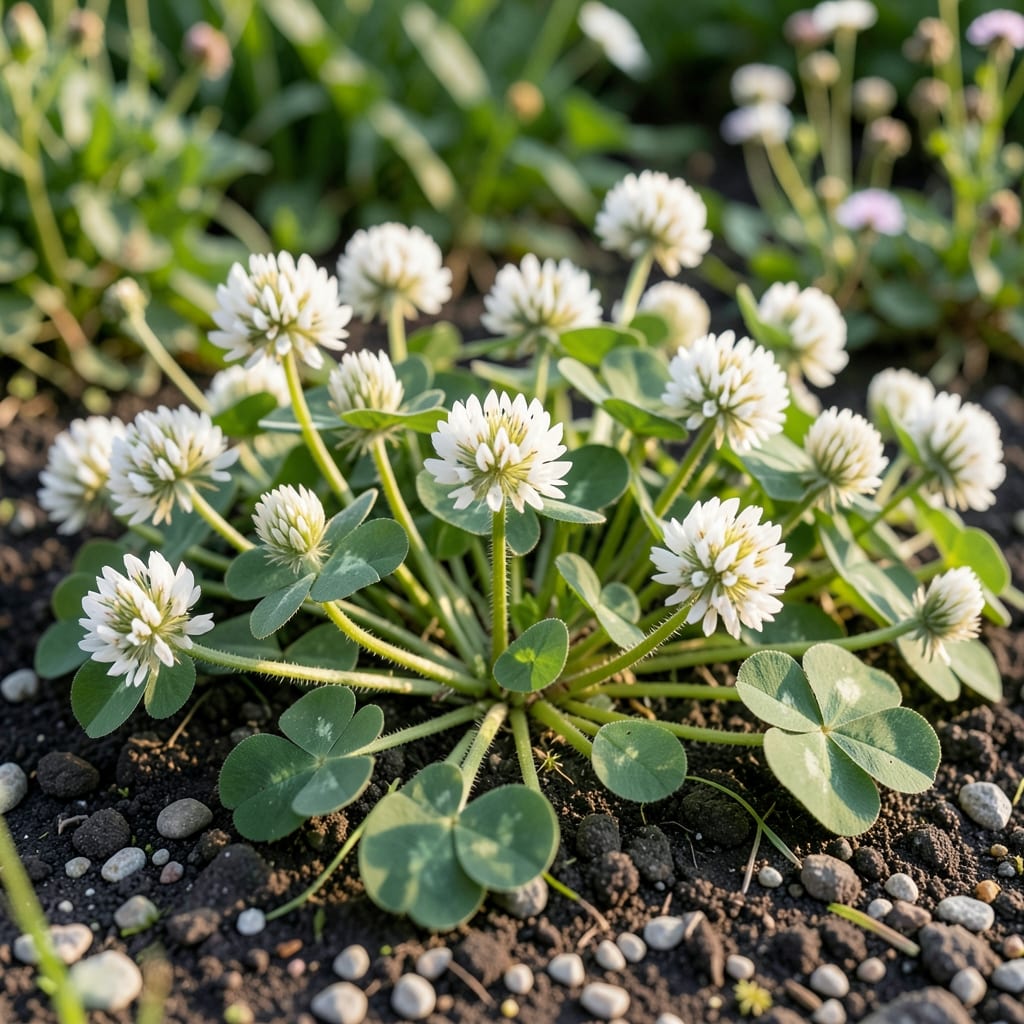
If you’ve ever wondered how tall the clover in your patch can grow, the answer depends more on the variety than you might think. Some types of clover barely reach your ankles, while others can climb toward your knees—making it a surprisingly versatile plant for gardens, lawns, or even erosion control.
For example, white clover typically stays between 1 to 6 inches tall, perfect for ground cover or a soft lawn substitute. Meanwhile, red clover can stretch up to 12 to 24 inches, ideal for adding height and color to meadow-style gardens. The key difference? Soil, sunlight, and how you care for it can push clover in either direction.
Whether you’re aiming for a lush, low carpet of 🌱 clover or a taller, flower-filled border, understanding these growth factors will help you shape your garden exactly how you want it. Let’s break down the heights by variety and how to control them—so you can get the look you’re after without surprises.
From sun exposure to pruning tips, I’ll show you how to keep your clover at your preferred height, whether it’s a neat 2-inch lawn or a towering 18-inch meadow. Ready to take control of your clover’s growth?

Clover height by variety: a complete growth chart comparison
Clover isn’t one-size-fits-all when it comes to height—some varieties stay low and lush, while others reach knee-high with vibrant blooms. The variety you choose determines whether your clover becomes a soft ground cover or a flowering meadow feature. Below, I’ve compared the most common types to help you pick the perfect fit for your garden.
White clover, for instance, is the classic low-growing option, rarely exceeding 6 inches. It’s ideal for lawn substitutes or erosion control because it stays put. On the other hand, red clover can shoot up to 24 inches, making it perfect for wildflower gardens or pollinator-friendly borders. Alsike clover falls somewhere in between, typically reaching 12 to 18 inches.
Crimson clover is another tall grower, often topping out at 18 to 24 inches, while Dutch white clover stays compact at 2 to 4 inches—great for walkways or container gardens. Understanding these differences lets you plan your garden’s height and texture from the start.
🌱
If you’re designing a low-maintenance lawn, white or Dutch clover will keep things tidy and soft underfoot. For a wild, cottage-garden look, red or crimson clover adds height and color. Alsike clover strikes a balance, offering both ground cover and vertical interest.
Pro tip: Mixing varieties can create a textured garden layer. For example, plant white clover in the foreground and red clover in the back for a natural, dimensional effect. Just be mindful—taller clover varieties may need occasional pruning to prevent them from flopping over in wind or rain.
Now that you know the height ranges, let’s talk about how to control clover growth—whether you want it shorter or taller. The next section covers the key factors that shape your clover’s height, from sunlight to soil.
Key factors that control clover height in your garden
If you’ve ever noticed your clover patch growing taller or shorter than expected, you’re not alone. The height of clover isn’t just about the variety—it’s heavily influenced by soil conditions, sunlight exposure, and even how often you water it. For example, red clover thrives in full sun and can reach 18 inches, while white clover stays compact at 2-6 inches when given partial shade. Understanding these factors lets you shape your clover’s growth to fit your garden’s needs.
One of the biggest surprises for gardeners is how soil pH affects height. Clover prefers slightly acidic to neutral soil (pH 6.0-7.0). If your soil is too alkaline, clover may grow stunted or leggy, reaching for sunlight. Test your soil and amend it with compost or peat moss to keep clover at its ideal height. A well-balanced soil also encourages denser, shorter growth—perfect for lawn substitutes.
Sunlight is another critical factor. Most clover varieties need 4-6 hours of sun daily, but too much direct sunlight can cause red clover to grow taller and more aggressive. If you’re aiming for a neat, low-growing lawn, plant white clover in partial shade (like under fruit trees) to keep it under 4 inchesfull sun and expect heights up to 24 inches.
Watering habits play a sneaky role too. Overwatering can lead to soft, sprawling growth, while underwatering stresses clover into reaching upward for moisture. Aim for deep, infrequent watering—about 1 inch per week—to encourage sturdy, compact growth. Mulching with straw or wood chips helps retain moisture and keeps clover shorter and bushier.
Don’t overlook the role of pruning and mowing. Regularly trimming clover (especially red or alsike varieties) prevents it from bolting tall and woody. Use a lawnmower on a high setting (3-4 inches) to maintain a neat lawn look, or let it grow taller for a wildflower meadow vibe. Just avoid cutting it too short—below 2 inches can stress the plant and invite weeds.
Finally, consider your climate zone. In cooler regions (USDA zones 3-6), clover may stay shorter due to slower growth, while warmer zones (zones 7-10) can see taller, more vigorous growth. If you’re in a humid area, watch for fungal issues—keeping clover well-spaced and pruned helps prevent moldy, leggy growth.
By tweaking these factors, you can control clover height whether you want a soft ground cover or a flower-filled border. Start with the right variety, adjust your soil and sun, and prune regularly to get the look you love—without surprises.
Watch Out for Over-Fertilizing!
Too much nitrogen can stunt clover’s height and make it spread aggressively instead of growing tall. Stick to a light, balanced fertilizer (5-10-10) and avoid heavy doses. For lawn clover, skip fertilizer entirely—it thrives on natural soil nutrients.
Now that you know how to shape your clover’s growth, the next step is learning when and how to trim it for the best results. Whether you’re keeping it short for a lawn or letting it grow tall for a meadow, proper pruning keeps clover healthy and right where you want it.