
Trees
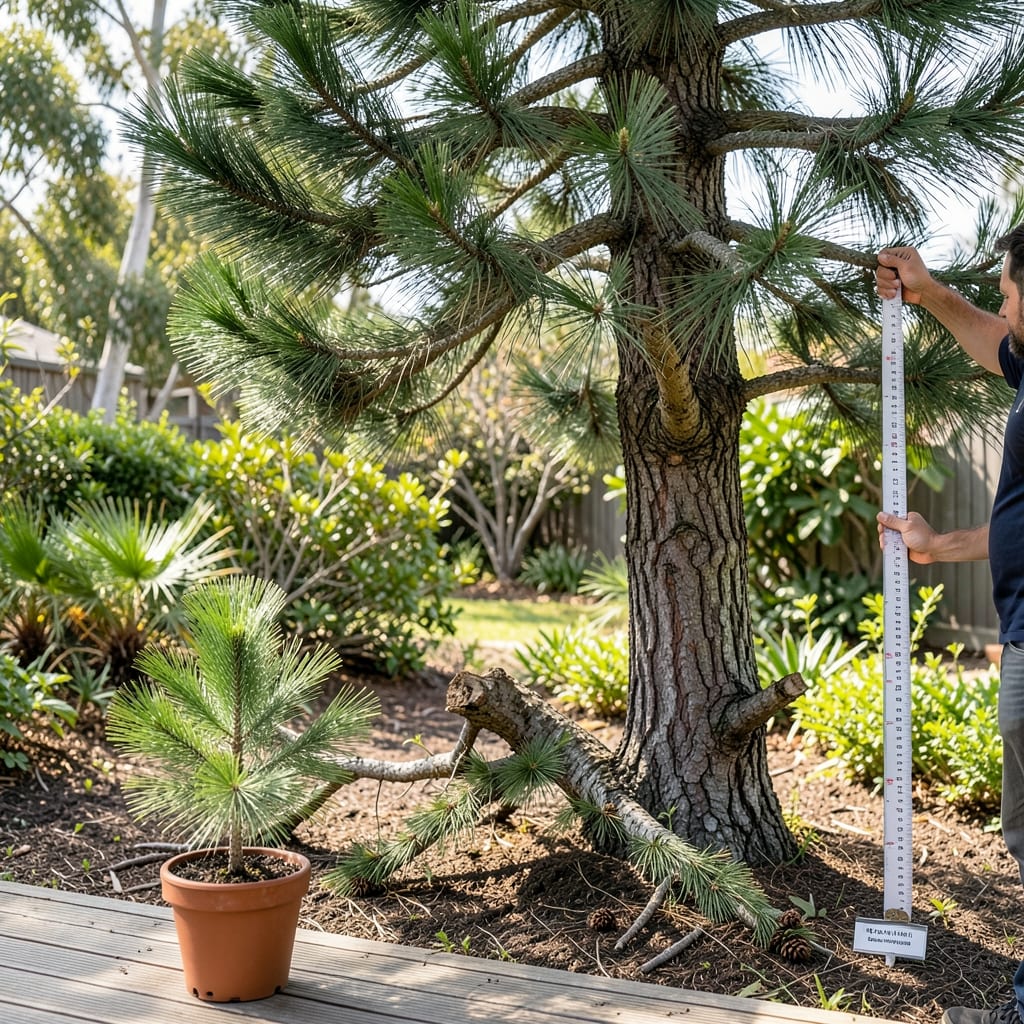
Ever wondered how tall can Christmas trees grow before they dominate your backyard like a holiday skyscraper? The answer depends entirely on the species—some stay compact enough for city yards, while others shoot for the sky like natural skyscrapers. Whether you're dreaming of a 6-foot tabletop tree or a towering 60-foot giant, understanding growth potential is the key to picking the perfect variety for your space.
Not all Christmas trees grow at the same rate, and some species mature faster than others. A Nordmann fir, for example, might reach 15 feet in just a decade, while a Douglas fir could take twice as long to hit that height. The good news? With the right care—like proper pruning and ideal planting conditions—you can steer your tree toward your desired size, whether you're working with a small urban lot or a sprawling estate.
If you're planting in USDA Zone 6a, timing matters too—fall is the best window to get your tree established before winter. But before you dig, you’ll want to know which species thrive in your climate and how to maximize their growth. From dwarf varieties perfect for patios to towering evergreens that make neighbors jealous, we’ll break down everything you need to know to grow the perfect Christmas tree for your needs.
Ready to turn your yard into a holiday wonderland? Let’s explore the height ranges, growth tips, and space-saving tricks that’ll help you grow the Christmas tree of your dreams—no matter how big (or small) you envision it.

Christmas tree species height limits: from dwarf to sky-scraping giants
Choosing a Christmas tree isn’t just about holiday décor—it’s about matching your space to the perfect tree species. Some varieties stay compact enough for a cozy container garden, while others need acres to reach their full sky-scraping potential. Let’s break down the height ranges of the most popular Christmas trees so you can pick the right fit for your yard.
Whether you dream of a miniature tree for your patio or a towering giant that rivals your roof, understanding these height limits will help you plan for years of holiday cheer. Some species mature in just a decade, while others take 30+ years to reach their full height—so timing matters!
🎄 Height Comparison Table: Below, you’ll find the mature heights and growth habits of 12+ Christmas tree species, ranked from smallest to tallest. This will help you visualize which trees suit your space, from urban backyards to sprawling estates.
The Dwarf Alberta Spruce is perfect if you’re dreaming of a mini Christmas tree that fits on your patio or balcony. At just 4-6 feet tall, it’s ideal for container gardening and can even be brought indoors during the holidays. Its slow growth rate means it’ll stay manageable for years.
On the other end of the spectrum, the Douglas Fir and White Pine are the tallest Christmas trees you can grow, reaching heights of 50-80 feet. These giants need wide-open spaces and are better suited for rural properties or forests. If you’re planting one in your yard, plan for decades of growth and potential power line conflicts!
For medium-sized yards, the Nordmann Fir (semi-dwarf) is a fantastic choice. It grows to 8-15 feet tall and has a moderate growth rate, making it ideal for holiday displays or privacy screens. Its soft needles and fragrant aroma also make it a favorite for traditional Christmas décor.
If you’re considering a fast-growing Christmas tree, the Leyland Cypress is a top pick. It can grow 3-4 feet per year, reaching 40-60 feet tall
How fast do Christmas trees grow? Growth rate guide by species
Christmas trees don’t all grow at the same speed—some shoot up like weeds, while others take decades to reach their full potential. If you’re dreaming of a 12-foot tree in 5 years or planning a long-term investment for a 60-foot giant, knowing the growth rates will help you set realistic expectations. Fast-growing varieties like the Leyland Cypress can add 3-4 feet per year, while slower growers like the Fraser Fir might only gain 1-2 feet annually. Let’s break down the timeline for your favorite species.
Whether you’re working with a small urban yard or a sprawling estate, growth rate is key. A Nordmann Fir, for example, typically takes 8-10 years to reach the 6-8 foot mark—perfect for a cozy holiday centerpiece. Meanwhile, a Douglas Fir can grow 2-3 feet per year, making it a faster option for larger spaces. Understanding these rates helps you plan when to prune, fertilize, or even transplant if space becomes an issue.
🌱 Christmas Tree Growth Rates
| Species | Annual Growth Rate | Years to 6-Ft Height | Mature Height |
|---|---|---|---|
| Leyland Cypress | 3-4 ft/year | 2-3 years | 40-60 ft |
| Douglas Fir | 2-3 ft/year | 3-4 years | 60-100 ft |
| Nordmann Fir | 1-2 ft/year | 5-7 years | 40-60 ft |
| Fraser Fir | 1-2 ft/year | 6-8 years | 30-50 ft |
| Dwarf Alberta Spruce | 0.5-1 ft/year | 8-10 years | 4-6 ft |
| Scots Pine | 2-3 ft/year | 3-4 years | 50-70 ft |
Fast growers like the Leyland Cypress are ideal if you’re short on time or space. They’ll give you a holiday-ready tree in just 2-3 years, though they may outgrow smaller yards quickly. For a more manageable pace, the Nordmann Fir or Fraser Fir are excellent choices—they grow steadily and develop that classic Christmas tree shape over time. If you’re aiming for a dwarf variety, like the Alberta Spruce, be patient; it takes nearly a decade to reach its 4-6 foot mature height.
Growth rates can also shift based on your climate and care routine. Trees in warmer zones (like USDA Zones 7-9) often grow faster than those in colder regions. Proper watering, sunlight exposure, and soil quality can accelerate growth by up to 30%. For example, a Douglas Fir in full sun with rich soil might add an extra foot per year compared to one struggling in shade. Regular pruning in early spring also encourages fuller growth, making your tree look lush and festive sooner.
If you’re growing a tree for long-term enjoyment, consider its growth rate when planning your landscape. A 60-foot Douglas Fir planted near your house might need early pruning to avoid power line issues, while a dwarf spruce could stay in a container for years before transplanting. Think about how quickly you want to see results and whether you’re willing to wait for a slow-growing but stunning specimen like the Fraser Fir.
Remember, these are general guidelines—your tree’s growth could vary based on local conditions. Monitor its progress yearly, adjust care as needed, and enjoy watching it transform from a tiny sapling to your holiday centerpiece! 🎄