
Size
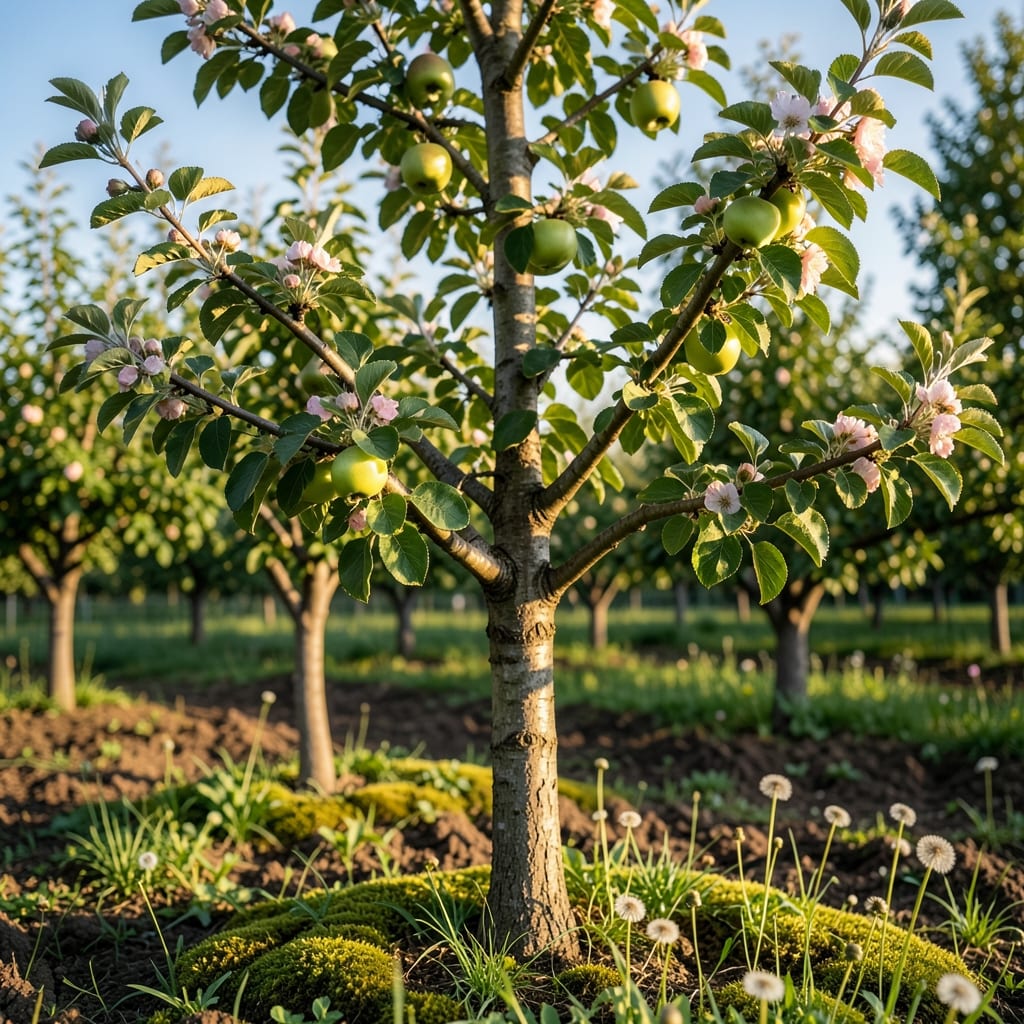
If you’ve ever wondered just how tall can apple trees grow, the answer might surprise you—these trees can stretch from a compact 6 feet to towering 40-foot giants, depending on the variety and care you provide. Picture your backyard transformed with a 🍎 tree that fits snugly in a container or one that shades your entire property, all while producing delicious fruit.
The key to controlling an apple tree’s height lies in choosing the right rootstock and pruning techniques. Dwarf varieties stay manageable, perfect for urban gardens, while standard trees thrive in rural spaces with plenty of room to grow. Whether you’re working with USDA Zone 6a conditions or aiming for a spring planting, understanding these factors will help you pick the perfect size for your needs.
But here’s the best part: no matter which variety you choose, proper care ensures your tree stays healthy and productive. From April to May planting to August to October harvests, I’ll walk you through everything you need to know to nurture your apple tree—whether it’s a petite patio tree or a sprawling orchard giant.
Ready to discover how to maximize your space while reaping a bountiful harvest? Let’s dive into the world of apple trees and uncover the secrets to growing them at the perfect height for your garden.

Apple tree height variations: dwarf to standard to giant sizes explained
Apple trees come in a stunning range of sizes, from dwarf varieties that fit perfectly in containers to full-size giants that dominate rural landscapes. The height of your apple tree hinges on its rootstock, which determines its growth potential. Understanding these categories will help you choose the perfect tree for your space, whether it’s a cozy backyard or a sprawling orchard.
Most apple trees fall into four height categories: dwarf, semi-dwarf, standard, and full-size. Each type has unique spacing needs, care requirements, and fruit production capabilities. For example, a dwarf apple tree might reach just 6 to 12 feet, while a standard variety can soar to 25 to 40 feet. Let’s break down what you need to know to pick the right size for your garden.
| Tree Type | Mature Height | Rootstock Examples | Spacing Needs |
|---|---|---|---|
| Dwarf | 6–12 ft | M9, B9 | 4–6 ft apart |
| Semi-Dwarf | 12–18 ft | MM106, MM111 | 8–10 ft apart |
| Standard | 20–30 ft | Seedling, MM104 | 15–20 ft apart |
| Full-Size | 30–40+ ft | None (seedling) | 25–30 ft apart |
Dwarf apple trees are ideal for urban gardens, patios, or even large containers. They mature quickly and produce fruit in just 2–3 years, making them perfect for small spaces. Varieties like 'Columnar' or 'Patio' types grow vertically, saving even more space while delivering abundant harvests. These trees require minimal pruning and are easier to maintain, but they may need staking for support as they grow.
If you have a bit more room, semi-dwarf apple trees strike a balance between manageable size and robust fruit production. They typically reach 12 to 18 feet at maturity and thrive in USDA Zone 6a or warmer. Semi-dwarfs require slightly more space than dwarfs but still fit well in suburban backyards. Popular choices like 'Honeycrisp' or 'Gala' on MM106 rootstock are excellent for this category.
For those with ample space, standard and full-size apple trees offer the classic orchard experience. These trees can grow 25 to 40 feet tall, providing shade and a dramatic focal point for your landscape. However, they require regular pruning to manage height and encourage fruit production. Varieties like 'Granny Smith' or 'Fuji' on seedling rootstock are classic choices for larger properties.
One critical factor to consider is spacing requirements. Dwarf trees need only 4–6 feet of space, while full-size trees demand 25–30 feet to avoid crowding. Proper spacing ensures good airflow, reducing the risk of disease and pests while allowing sunlight to reach all parts of the tree. If you’re planting multiple trees, consider their mature size when designing your orchard layout.
Choosing the right height for your apple tree isn’t just about aesthetics—it’s about optimizing fruit production and ease of care. Whether you’re a city dweller with a balcony or a rural homesteader with acres, there’s an apple tree size that’s perfect for you. Next, we’ll explore the factors that influence height, so you can take full control of your tree’s growth trajectory.
🍎
Factors that determine how tall your apple tree will grow
When choosing an apple tree, you might assume its height is set in stone—but several controllable factors actually influence how tall it grows. The most critical is the rootstock, the underlying root system onto which the scion (fruit-bearing part) is grafted. For example, M9 rootstock produces dwarf trees (6–12 ft), while seedling rootstock yields full-size giants (30–40+ ft). Understanding these factors lets you customize your tree’s growth to fit your space.
The rootstock isn’t the only player—pruning techniques play a huge role in managing height. Regular pruning in early spring removes competing branches, directing energy toward fruit production instead of vertical growth. I recommend open-center pruning for dwarf trees to maintain their compact shape, while central leader pruning works better for taller varieties. Without pruning, even dwarf trees can grow taller than expected.
- Rootstock Type: Determines 80% of mature height (e.g., M9 = dwarf, MM106 = semi-dwarf).
- Pruning Frequency: Annual pruning can reduce height by 20–30% in dwarf varieties.
- Soil Quality: Nutrient-rich soil with good drainage promotes controlled growth (avoid nitrogen overload).
- Sunlight Exposure: Full sun (6+ hours) maximizes fruit production but may accelerate vertical growth in taller varieties.
- Climate Conditions: Cooler climates slow growth; warmer zones may see faster height increases.
Soil quality directly impacts how tall your apple tree grows. Trees planted in well-draining, nutrient-rich soil with a pH of 6.0–7.0 grow more uniformly and stay healthier. Poor soil—especially if compacted or waterlogged—can stunt root development, leading to weaker structural support and potentially taller, less stable growth. I always recommend amending clay soil with compost or sand to improve drainage and aeration.
Don’t overlook sunlight exposure—apple trees thrive in full sun (6+ hours daily), but too much intense sunlight can cause rapid vertical growth in taller varieties. If you’re growing a dwarf tree in a hot climate, partial afternoon shade can help manage height while maintaining fruit quality. Conversely, insufficient sunlight leads to leggy growth as the tree stretches toward light, increasing its height beyond expected limits.
Finally, climate considerations play a subtle but important role. Trees in cooler climates (USDA Zone 6a or below) grow more slowly, staying shorter than their counterparts in warmer zones. For example, a Granny Smith on seedling rootstock might reach 35 ft in California but only 30 ft in upstate New York. If you’re in a frost-prone area, choose cold-hardy rootstock like MM111 to ensure consistent growth patterns.
By mastering these factors, you can control your apple tree’s height—whether you want a compact patio tree or a towering orchard centerpiece. Next, we’ll explore the best varieties for small vs. large spaces, so you can pick the perfect match for your garden’s layout and your fruit preferences.
🌳