
How To
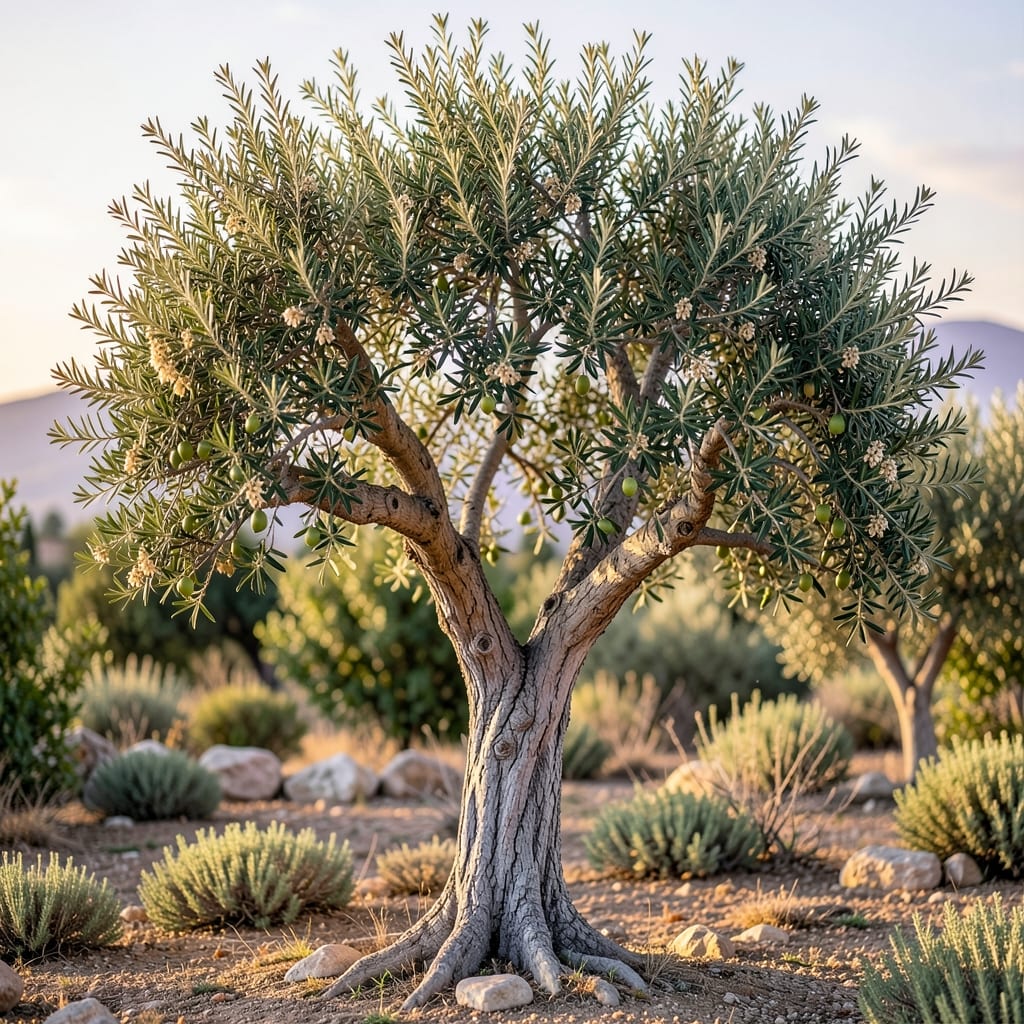
Ever wondered how tall an olive tree can grow if left to its own devices? The answer might surprise you—some varieties of 🫒 olive trees can reach heights of 50 feet or more, while others stay neatly contained at just a few feet tall. Whether you’re dreaming of a towering Mediterranean giant or a compact backyard staple, understanding the growth potential of olive trees is the key to planning your perfect garden.
The height of an olive tree depends on more than just its variety—climate plays a huge role, especially if you’re in Zone 9b or a similar Mediterranean-friendly region. But here’s the good news: with the right pruning techniques, even the tallest olive trees can be kept in check. I’ll show you how to control their growth while still enjoying those delicious olives you’ve been craving.
If you’re working with limited space, don’t worry—dwarf varieties are perfect for containers or small yards. These little powerhouses grow just 8 to 15 feet tall, making them ideal for urban gardens or even indoor cultivation. The best part? They still produce fruit without taking over your yard. Let’s break down the varieties, pruning secrets, and everything else you need to know to grow the perfect olive tree for your space.
Ready to turn your olive tree dreams into reality? Whether you’re planting in late winter or just curious about long-term growth, this guide will help you make informed decisions. Let’s get started!


Olive tree height by variety: dwarf vs. standard vs. giant sizes
Olive trees (Olea europaea) come in a stunning range of sizes, from tiny container-friendly varieties to towering Mediterranean giants. The mature height of your olive tree depends entirely on its variety, with some reaching 50 feet or more while others stay neatly under 8 feet. Choosing the right variety for your space is the first step to controlling growth—and avoiding a backyard takeover.
For gardeners in Zone 9b, where olive trees thrive year-round, the Arbequina variety is a popular choice for its manageable size (typically 10-15 feet tall). Meanwhile, the Manzanillo variety can soar to 30-50 feet if left unpruned. Understanding these differences helps you plan for long-term growth and maintenance.
Below, I’ve broken down the most common olive tree varieties by their mature heights, growth rates, and ideal climates. Whether you’re planting in a large backyard, a small urban patio, or even indoors, this guide will help you pick the perfect tree for your space.
The dwarf varieties are ideal for containers or small gardens, while standard varieties thrive in open spaces. Even the giant species can be managed with proper pruning—more on that in the next section! Let’s dive into the specifics.
As you can see, the Arbequina and Little Ollie varieties are perfect for gardeners with limited space, while the Manzanillo and Frantoio varieties are better suited for larger properties or commercial olive groves. If you’re in Zone 9b, all of these varieties will thrive with proper care.
One factor that often surprises new growers is how quickly olive trees grow in their first few years. A 1-year-old olive tree might only reach 1-3 feet, but by year three, it can grow 6-10 feet tall. This rapid early growth is why planning for height control is crucial—especially if you’re working with a standard or giant variety.
For example, a Manzanillo olive tree left unpruned can easily exceed 30 feet in just a decade. However, with strategic pruning (which we’ll cover in the next section), you can keep it at a more manageable 15-20 feet while still enjoying a bountiful harvest. The key is to start pruning early and maintain a consistent schedule.
If you’re growing olives for table olives
Pruning secrets to control olive tree height: when, how, and why
Pruning isn’t just about shaping your olive tree—it’s the secret weapon for controlling its height. With the right techniques, you can transform a 50-foot giant into a manageable 8-foot bush. The key is timing and strategy, especially if you’re in Zone 9b where olive trees thrive year-round.
Start by pruning in late winter or early spring, just before new growth begins. This is when your tree is dormant but about to burst into action. Remove any dead, diseased, or crossing branches first—they’re just taking up space and resources. Then, cut back up to one-third of the tree’s height to encourage bushier growth.
For height control, focus on the topmost branches. Trim them back by 20-30% each year to prevent vertical growth. This method keeps your tree compact while still allowing it to produce abundant olives. Use clean, sharp pruners to make cuts just above a leaf node or bud.
🌱
If you’re growing olives for fruit production, avoid heavy pruning in the fall. This is when your tree is storing energy for next year’s harvest. Instead, focus on light shaping to keep the tree open and airy, which reduces disease risk and improves fruit access.
For container-grown olive trees, pruning is even more critical. Since roots are confined, you’ll need to prune more aggressively to control height and encourage bushiness. Use dwarf varieties like 'Little Ollie' and trim back up to 50% of new growth in the first year to keep it under control.
✂️