
Companion Plants
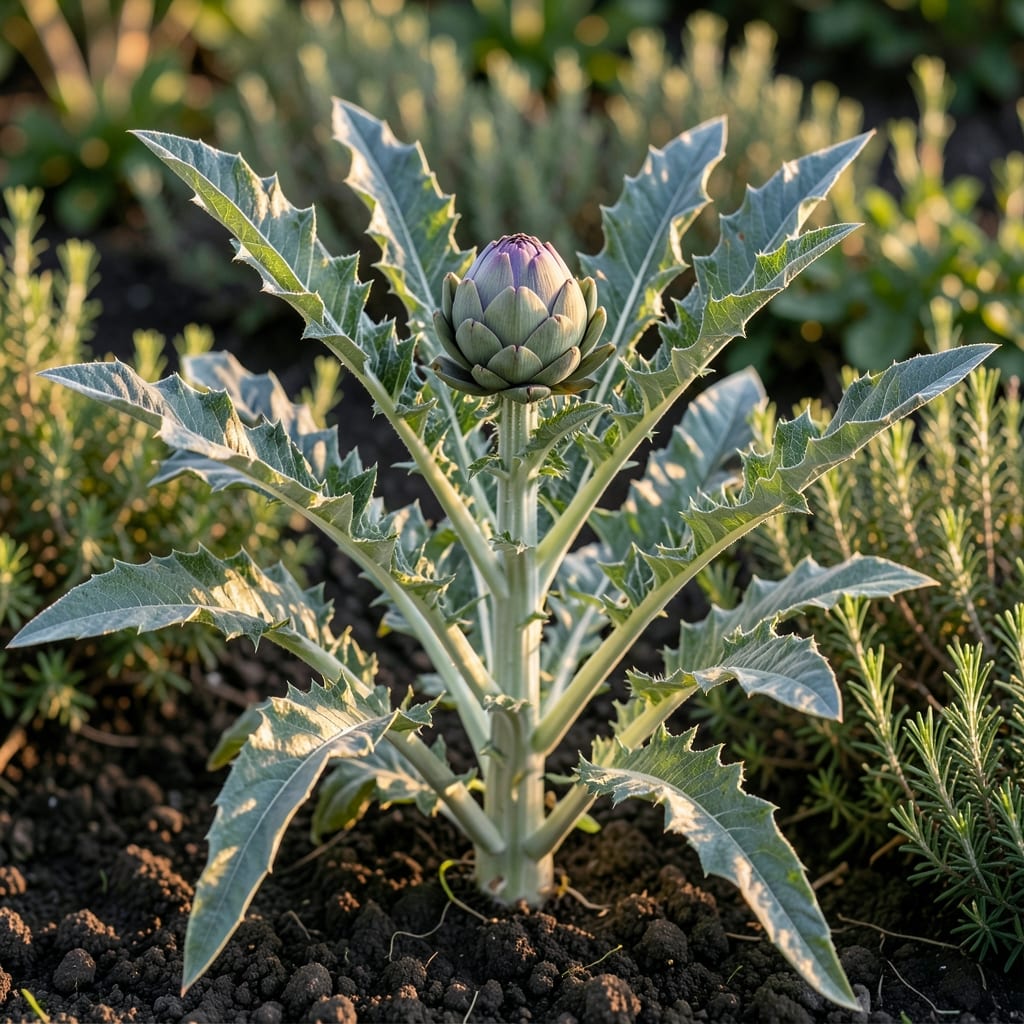
How tall can an artichoke plant grow? If you’ve ever imagined plucking fresh 🌱 artichokes straight from your garden, you might be surprised to learn these plants can reach heights that rival small trees—though their exact size depends on the variety and care you provide.
Most home gardeners grow varieties like Green Globe, which typically stand between 4 and 6 feet tall, while some heirloom types can stretch up to 8 feet under ideal conditions. That means your backyard could soon be home to a towering, edible landscape—if you know how to support their growth.
But here’s the catch: taller artichoke plants need more space, sturdier stakes, and strategic pruning to prevent flopping over. Whether you’re working with a compact dwarf or a giant globe, understanding their mature height will help you plan your garden layout and care routine for a bountiful harvest.
Let’s break down the height ranges of popular artichoke varieties, how to control their growth, and why some plants grow taller than others—so you can grow the perfect size for your space and harvest.


Artichoke plant height by variety: from compact to towering giants
If you're planning to grow artichokes, knowing their mature height is crucial for spacing and support. Most varieties reach between 3 to 6 feet, but some can stretch taller with ideal conditions. The Green Globe, a classic variety, typically grows 4 to 5 feet tall, making it perfect for home gardens with moderate space. Meanwhile, Romanesco artichokes can reach 5 to 6 feet, resembling small trees with their striking purple buds.
For smaller spaces, consider dwarf varieties like Violetto, which max out at 3 to 4 feet. These compact plants are ideal for containers or urban gardens where vertical space is limited. Even within the same variety, height can vary based on soil fertility, sunlight exposure, and pruning habits. Overcrowding or poor nutrition often results in leggy, taller growth, while balanced care keeps plants bushier and shorter.
Here’s how height compares across popular types—including spacing needs to prevent competition:
| Variety | Mature Height | Spacing Needs | Notes |
|---|---|---|---|
| Green Globe | 4–5 ft | 3 ft apart | Classic variety; needs staking for support |
| Romanesco | 5–6 ft | 4 ft apart | Tallest variety; produces striking purple buds |
| Violetto | 3–4 ft | 2–3 ft apart | Dwarf variety; great for containers |
| Imperial Star | 4–5 ft | 3 ft apart | High-yielding; needs consistent moisture |
When selecting a variety, consider your garden’s layout. Taller varieties like Romanesco need 4 feet of spacing to avoid shading smaller plants. In contrast, dwarf types like Violetto thrive in tight spaces or even 10-gallon containers. Always plant artichokes in well-draining soil with a pH of 6.5–7.5 to prevent stunted growth. Amending clay soil with compost can reduce height variability caused by poor drainage.
Height isn’t just about space—it also affects harvest accessibility. Taller plants may require stakes or cages to support heavy buds, especially in windy areas. If you’re growing artichokes for the first time, start with Green Globe or Imperial Star for a balance of height and productivity. For urban gardens, Violetto is my top pick due to its manageable size and prolific blooms.
Fun fact: Artichokes are perennials in USDA zones 7–10, meaning they’ll return year after year—growing slightly taller each season if not pruned. In colder zones, treat them as annuals or protect them with mulch to encourage regrowth. With the right variety and care, your artichoke plants can become a stunning edible focal point in your garden.
Pro tip: If you notice your artichoke plants growing too tall too quickly, it’s often a sign of excess nitrogen or overcrowding. Adjust your fertilizer to a balanced 5-10-10 ratio and thin seedlings to 12–18 inches apart at planting. This simple step can reduce height by 1–2 feet while improving bud production.
For container growers, choose dwarf varieties and use 5-gallon pots for each plant. Smaller pots limit root growth, naturally keeping plants shorter and bushier. Just ensure the container has drainage holes to prevent root rot, which can stunt growth and reduce height.
Understanding your artichoke’s height potential helps you plan for support structures, companion plants, and even vertical gardening solutions. Whether you’re aiming for a 6-foot Romanesco or a 3-foot Violetto, knowing the variety’s growth habit is the first step to a successful harvest.
Ready to dive deeper? Next, we’ll explore pruning secrets to control height while maximizing your artichoke yield—without sacrificing those delicious buds!
Artichoke plant height by variety: from compact to towering giants
Artichoke plants aren’t just delicious—they’re architectural stars in your garden, with heights ranging from 3 feet for dwarf varieties to 8 feet for heirloom giants. The Green Globe, the most popular choice for home gardeners, typically reaches 4 to 6 feet tall, while Romanesco varieties can stretch up to 7 feet under ideal conditions.
Your garden’s layout will depend heavily on the variety you choose. Dwarf varieties like ‘Baby’ or ‘Small Wonder’ stay between 3 and 4 feet, making them perfect for containers or small spaces. On the other end, ‘Violetto’ and ‘Imperial Star’ can tower over 6 feet, requiring sturdy stakes and ample spacing.
Here’s a quick breakdown of how tall common artichoke varieties grow at maturity, along with their ideal spacing to prevent overcrowding:
| Variety | Mature Height | Spacing Needs | Notes |
|---|---|---|---|
| Green Globe | 4–6 ft | 3–4 ft apart | Most popular; needs staking |
| Violetto | 5–7 ft | 4–5 ft apart | Tall, purple buds; great for cut flowers |
| Romanesco | 6–8 ft | 5–6 ft apart | Fractal-shaped; needs strong support |
| Baby | 3–4 ft | 2–3 ft apart | Dwarf; ideal for containers |
| Imperial Star | 5–6 ft | 4 ft apart | Large buds; needs trellising |
The height of your artichoke plant isn’t just about aesthetics—it directly impacts yield and ease of care. Taller varieties like Romanesco produce fewer but larger buds, while shorter types like ‘Baby’ yield more frequently. If you’re short on space, opt for dwarf varieties or prune taller types to encourage bushier growth.
For container gardening, stick to dwarf varieties in 15-gallon pots or larger, ensuring they get full sun and deep watering to compensate for their limited root space. If you’re growing in the ground, plan for at least 3 feet of space around each plant to prevent competition for nutrients and sunlight.
Pro tip: If you love the look of tall artichokes but lack space, try vertical gardening with sturdy trellises or cages. This not only saves space but also makes harvesting easier—no more bending over for those 6-foot giants! 🌱