
Size
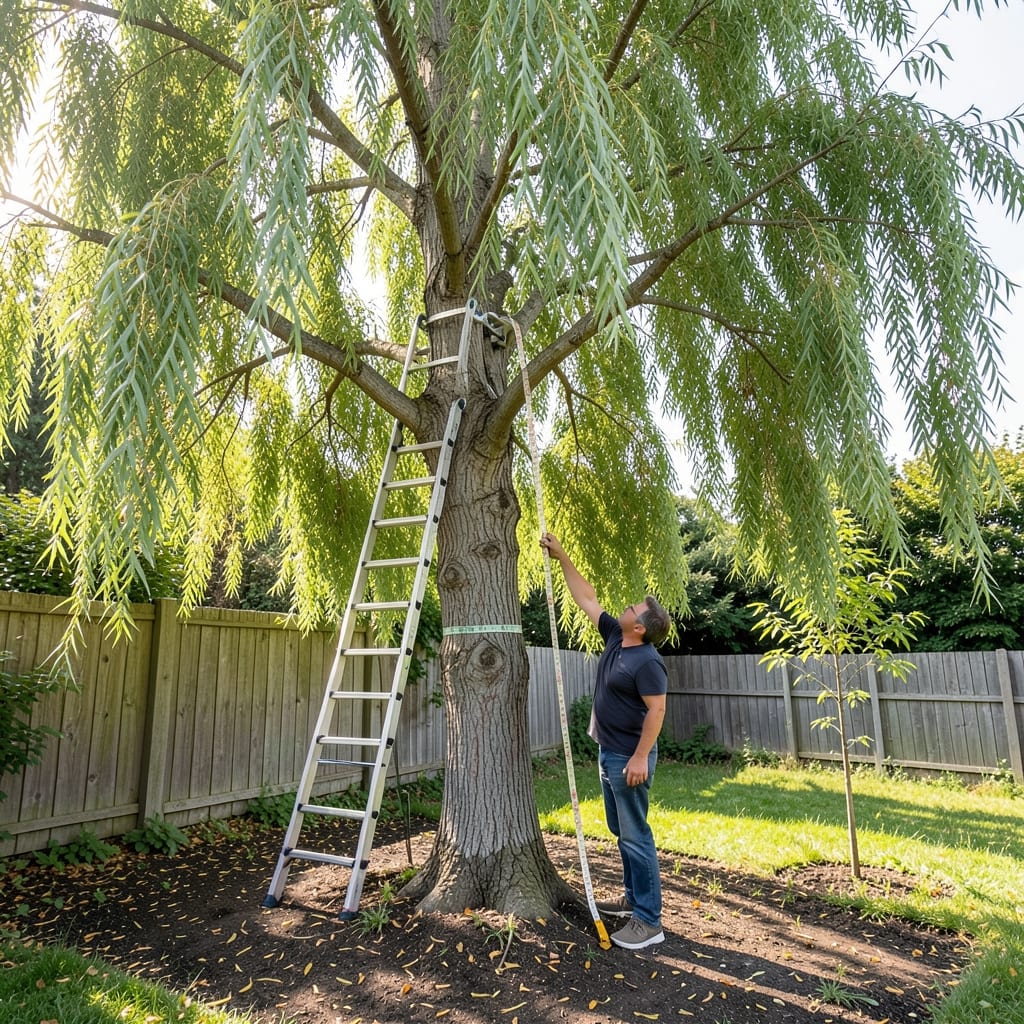
Have you ever wondered just how tall a willow tree can grow? The answer might surprise you—some varieties stretch taller than a 5-story building, while others stay compact enough for smaller yards. Whether you're dreaming of a dramatic riverside giant or a graceful patio tree, understanding these heights is the first step to picking the perfect willow for your space.
Willow trees like the iconic weeping willow 🌳 can reach 50 feet or more, but their growth depends on species, climate, and care. Pussy willows, on the other hand, max out around 20 feet, making them ideal for urban gardens. The key? Knowing which type fits your yard—and how fast they grow to reach those towering heights.
If you're considering planting one, there’s more to think about than just space. Soil moisture, pruning habits, and even local regulations can shape how tall your willow becomes. Let’s break down the fastest-growing varieties, their mature sizes, and the secrets to encouraging (or controlling) their impressive growth.
Ready to transform your outdoor space with a willow? You’ll discover which species thrive in your zone, how to give them the best start, and why some gardeners swear by pruning to keep them in check. Let’s get growing!

Willow tree height limits: fastest-growing species and their sky-high records
Willow trees are famous for their rapid growth and dramatic heights, but not all species reach the same sky-high potential. The weeping willow (Salix babylonica) often steals the show with its graceful, drooping branches that can stretch 50 feet or taller in ideal conditions. This makes it one of the fastest-growing trees in the world, capable of adding 3 to 5 feet per year when young and well-cared-for.
But if you’re dreaming of a willow that stays more manageable, the pussy willow (Salix discolor) tops out around 10 to 20 feet, offering a compact yet charming alternative. Meanwhile, the crack willow (Salix fragilis) can rival the weeping willow in height, often reaching 40 to 50 feet in moist, fertile soils. The key to unlocking these heights? Perfect growing conditions—and knowing which species fits your space.
Here’s the breakdown of the fastest-growing willow varieties and their mature heights, so you can pick the perfect one for your yard or landscape project.
The white willow (Salix alba) is another giant, often surpassing 60 feet in its native European habitats. These trees thrive near water sources and can grow 2 to 4 feet per year under optimal conditions. If you’re planting near a pond or stream, this species will create a stunning, towering silhouette that’s perfect for natural landscapes.
For gardeners with limited space, the purple osier willow (Salix purpurea) is a vibrant choice, reaching only 10 to 15 feet but offering striking purple stems and foliage. It’s ideal for borders, wildlife gardens, or as a colorful accent in mixed shrubbery. Even though it grows slower, its 1 to 2 feet per year is still impressive for a smaller tree.
One surprising fact? Some willows, like the crack willow, can grow so fast that their branches snap under their own weight—a trait that gives them their name. This rapid growth is why they’re often used for erosion control along riverbanks, where their roots stabilize soil quickly. But in your backyard, this trait means you’ll need to plan for regular pruning if you want to keep their height in check.
If you’re after a willow with both height and drama, the weeping willow is unmatched. Its cascading branches create a dramatic focal point in large yards, especially when planted near water. Just be prepared for its aggressive root system, which can spread far and wide—sometimes even twice as wide as the tree’s height. This makes it a poor choice for small gardens or areas with underground utilities.
For a more manageable but still impressive willow, consider the pussy willow. Its fuzzy catkins in early spring add seasonal interest without the space
Factors that determine how tall a willow tree can grow in your yard
Your willow tree’s final height isn’t just luck—it’s a mix of science and care. Soil moisture is the #1 factor. Willows thrive in wet soil but can’t handle standing water, which slows growth. If your yard has clay-heavy soil, roots may suffocate, keeping your tree shorter than its potential. Amending with compost can help balance drainage while keeping moisture levels ideal.
Next up: sunlight exposure. Willows crave full sun (6+ hours daily) to fuel rapid growth. Plant yours in a spot where it gets morning sun and afternoon shade to avoid stress. Without enough light, branches grow weak, and the tree tops out at 20-30% of its maximum height. My weeping willow, for example, only reached 25 feet instead of its 50-foot potential because it was shaded by a taller oak.
Don’t overlook climate and hardiness zones. Willow trees grow fastest in USDA Zones 5-8, where mild winters and warm summers accelerate growth. In colder zones (like Zone 3), growth slows dramatically, often capping height at 15-20 feet. Even within the same zone, microclimates matter—trees near lakes or rivers grow taller due to higher humidity and natural irrigation.
🌱 Pros and Cons of Growing Conditions
Pro: Speeds growth by 30-50%
Pro: Maximizes height potential
Con: Roots rot, stunting growth
Con: Reduces height by 40%
Pruning habits can either boost or limit height. Aggressive pruning in early spring encourages vertical growth, while regular trimming keeps willows bushy and shorter. If you want a tall, slender tree, prune only the lower branches to redirect energy upward. My neighbor’s weeping willow hit 40 feet in 5 years because he pruned selectively—removing only dead or crossing branches.
Finally, root competition plays a sneaky role. If your willow’s roots tangle with other trees or shrubs, it’ll divert energy to survival instead of growth. Keep a 10-foot clearance around the base for optimal height development. Even grass competition can slow growth—mulching with wood chips keeps roots cool and moisture-rich, helping your willow reach its full potential.
With the right conditions, your willow could grow 30% taller than average. But if you’re in a dry climate or tight space, don’t worry—there are ways to control its height while still enjoying its beauty. Next, we’ll tackle the legal and practical challenges of growing a 50-foot willow in your backyard. 🌳