
Trees
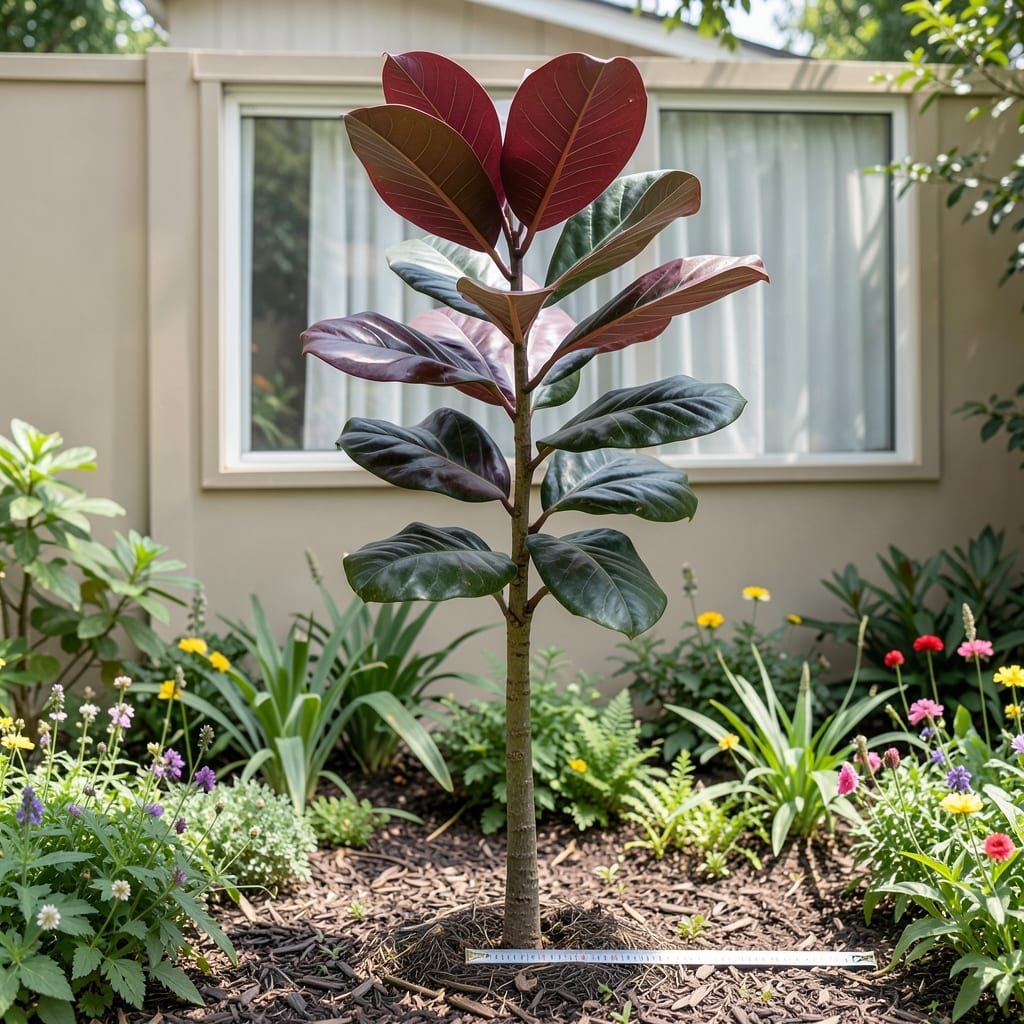
Wondering how tall can a rubber tree grow before it turns your living room into a jungle? This glossy-leaved beauty can reach heights that’ll make you reconsider where to place it—indoors or out.
The rubber tree (Ficus elastica) 🌿 is a fast grower, but its final height depends on whether it’s basking in outdoor sunshine or thriving as an indoor statement piece. In ideal conditions, it can stretch up to 35 feet tall, but most homeowners keep it more manageable with pruning and proper care. Let’s explore how to control its growth and whether it’s better suited for cozy apartments or sprawling gardens.
Indoors, your rubber tree might top out at 6-10 feet if left unchecked, but with strategic pruning, you can keep it compact for small spaces. Outdoors, where it gets more light and room to stretch, it can grow even taller—think small tree territory. The key is understanding its needs to shape it just right.
Whether you’re dreaming of a towering indoor tree or an outdoor focal point, we’ll cover everything from growth rates to care tips so you can enjoy its lush foliage without losing ceiling space. Ready to grow your own green giant?


Indoor rubber tree height limits: how big can it get inside?
Your rubber tree (Ficus elastica) 🌿 can grow into a stunning indoor centerpiece, but its height depends on several key factors. Without intervention, it typically reaches 6-10 feet indoors, though some varieties or neglected plants may stretch toward 12 feet if given enough time and space. The good news? With proper care and pruning, you can keep it at a manageable 3-6 feet—perfect for apartments and offices.
Growth speed is another exciting factor. Indoors, rubber trees grow about 12-24 inches per year under ideal conditions. That means a 3-foot-tall plant could reach 6 feet in just 3 years if left unchecked. The trade-off? Faster growth often means faster outgrowing of your space—unless you’re planning for it.
Light exposure is the #1 factor controlling indoor height. Place your rubber tree near a bright, indirect light source, like an east or north-facing window. In low light, growth slows dramatically, often resulting in leggy stems and smaller leaves. If you notice your plant stretching toward the light, it’s time to relocate it or supplement with a grow light.
Pot size also plays a huge role. Rubber trees grow faster when root-bound (when roots fill the pot). If you want to slow growth, choose a larger pot with fresh soil every 2-3 years. Conversely, keeping it in a snug pot encourages upward growth. Just ensure the pot has drainage holes to prevent root rot.
| Factor | Indoor Height Impact | Care Tip |
|---|---|---|
| Light Exposure | Low light = slower growth (3-5 ft max); bright light = faster growth (6-10 ft) | Rotate plant weekly for even growth |
| Pot Size | Small pot = faster upward growth; large pot = slower growth | Repot every 2-3 years for height control |
| Pruning Frequency | Regular pruning = compact shape (3-6 ft); no pruning = tall and leggy (8-12 ft) | Prune in spring to encourage bushiness |
| Fertilizer Use | Balanced fertilizer = faster growth; no fertilizer = slower growth | Use 10-10-10 in spring/summer only |
| Ceiling Height | Low ceilings = prune early; high ceilings = less pruning needed | Measure growth monthly against ceiling |
If you’re worried about your rubber tree outgrowing its space, don’t panic—pruning is your best friend. You can trim it back by up to 1/3 in early spring to control height and encourage bushier growth. Just be sure to use sterilized pruners and seal larger cuts with pruning wax to prevent sap loss.
For small spaces, consider dwarf varieties like 'Black Prince' or 'Tineke,' which naturally stay shorter (3-5 feet). These varieties grow at a slower rate, making them ideal for apartments or offices. Even with dwarf varieties, regular pruning will keep them at your desired height.
Remember, rubber trees are low-maintenance but thrive with a little attention. Monitor their growth monthly, adjust light exposure as needed, and prune to maintain your ideal height. With the right care, your indoor rubber tree can be a stunning, manageable centerpiece for years to come.
Pro tip: If you love the look of a tall rubber tree but lack ceiling space, try growing it as a standard tree with a single trunk. This creates an elegant, tree-like shape while keeping the overall height more controlled.
Outdoor rubber tree growth: can it become a small tree?
When your rubber tree (Ficus elastica) escapes indoors and thrives in outdoor conditions, it transforms into a small tropical tree with real skyward ambitions. In the right climate, these plants can reach 10-35 feet tall—think towering over your porch or shading a garden corner. The key difference outdoors? Unrestricted root growth and full-spectrum sunlight fuel their rapid ascent.
In tropical climates (USDA Zones 10-12), rubber trees grow fastest, often reaching 10-20 feet in 5-10 years. Even in temperate zones (Zones 9-10), they can still hit 15-25 feet with proper care. The secret? Rich, well-draining soil and consistent moisture—they hate soggy roots but love to stretch.
Outdoor rubber trees also develop thicker trunks and denser canopies than their indoor cousins. Without pruning, they’ll grow into multi-stemmed shrubs or even small trees with aerial roots, mimicking their jungle ancestors. For a single-trunk tree, stake the tallest stem early to encourage vertical growth.
| Growth Factor | Indoor Potential | Outdoor Potential |
|---|---|---|
| Height Range | 6-10 ft (unpruned) | 10-35 ft (full sun) |
| Growth Rate | 1-2 ft/year | 3-5 ft/year |
| Trunk Thickness | 1-2 inches | 4-8 inches |
| Canopy Spread | 3-5 ft wide | 6-12 ft wide |
| Cold Hardiness | 30-40°F (temporary) | 20°F (with protection) |
If you’re planting outdoors, choose a sunny, sheltered spot—these trees hate wind and frost. In colder zones, grow them in large containers and winter-proof them with burlap wraps or move them indoors. With time, your outdoor rubber tree could become a living room divider or privacy screen, outshining many ornamental trees.
For dwarf varieties (like 'Burgundy' or 'Tineke'), expect 50% smaller heights—still impressive at 5-10 feet—but they’re easier to manage in smaller yards. The trade-off? Slower growth and less dramatic foliage compared to standard types. Whether you go big or small, outdoor rubber trees reward patience with year-round greenery and low-maintenance beauty. 🌳