
Size
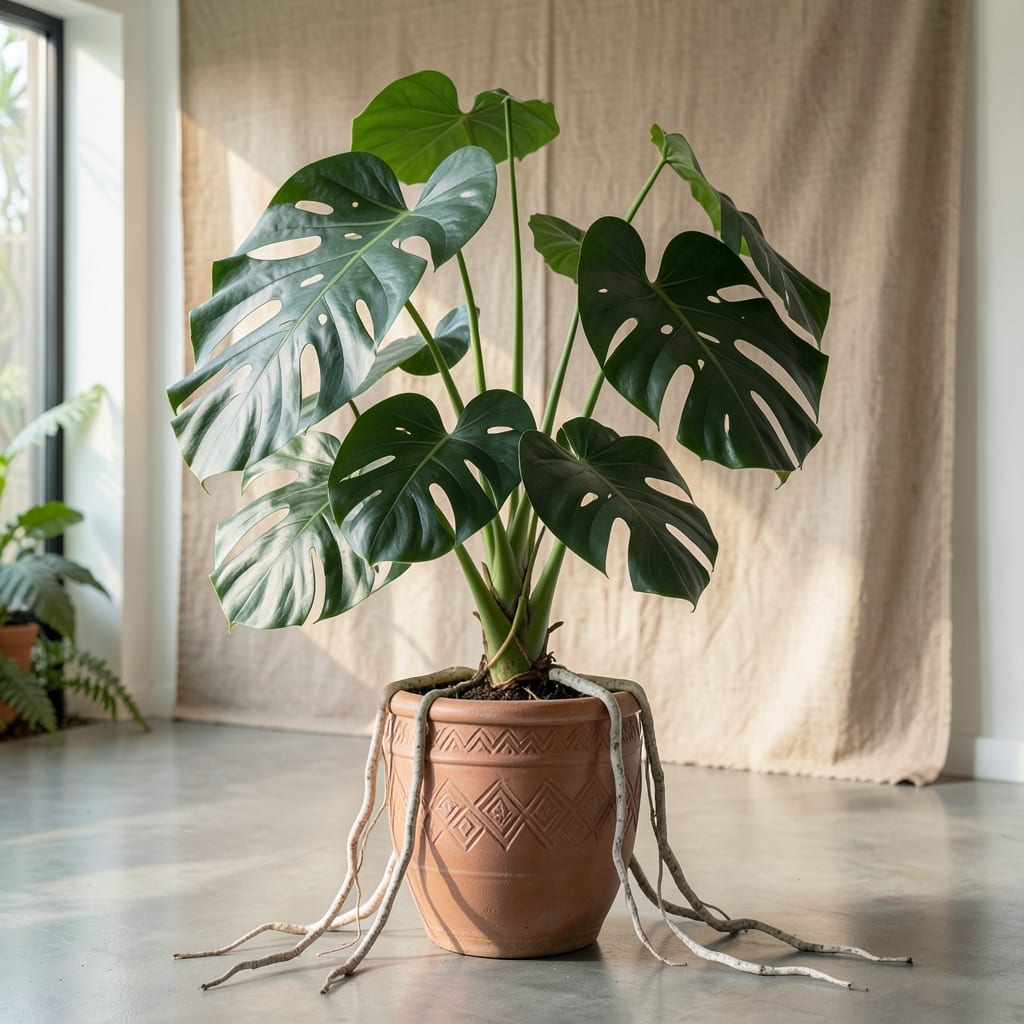
If you’ve ever wondered how tall a monstera can grow—whether it’ll become a jungle giant or stay a modest houseplant—the answer depends on far more than just its species. This tropical vine’s height can swing wildly—from a modest 6 feet indoors to a towering 30 feet outdoors—depending on light, space, and your care habits.
The key to controlling its growth lies in understanding how your environment shapes its potential. Too little light? It’ll stretch awkwardly toward windows, sacrificing leaf size for height. Too much direct sun? You might end up with crispy leaves and stunted growth. And let’s not forget the role of pruning—whether you’re trimming for shape or encouraging bushier growth.
What most people don’t realize is that bigger leaves don’t always mean a taller plant. A Monstera’s height is influenced by its support system, humidity levels, and even the pot size. Whether you’re dreaming of a ceiling-high statement plant or a compact desk companion, the right conditions can make all the difference.
In this guide, I’ll break down the science behind Monstera growth, from indoor ceilings to outdoor giants, and share pro tips to help you steer its height—without sacrificing its health or beauty. Let’s get started.

Monstera Deliciosa height guide: indoor growth limits and realistic expectations
Your Monstera Deliciosa might look like a slow starter, but its growth trajectory can surprise you—especially indoors. On average, a healthy indoor Monstera reaches 6 to 10 feet over 3–5 years, though some varieties like the Monstera Adansonii stay shorter at 3 to 6 feet. The difference? Light exposure, pot size, and how you train its vines. Without proper care, it might stretch awkwardly toward windows, sacrificing leaf size for height.
Think of your Monstera’s height as a negotiable trait. While genetics set a baseline, your environment dictates whether it becomes a ceiling-high statement plant or a compact desk companion. For example, a Monstera in low light might max out at 4 feet, while one basking in bright indirect light could hit 10 feet in the same timeframe. The key is balancing growth speed with leaf health.
Here’s the catch: bigger leaves don’t equal taller plants. A Monstera with large fenestrations (those iconic splits) might have stunning foliage but grow slower vertically. Meanwhile, a fast-growing vine with smaller leaves could climb higher—unless you provide support. Without a trellis or moss pole, vines sprawl horizontally, wasting energy that could fuel upward growth.
Pot size plays a sneaky role too. A root-bound Monstera in a small container will focus energy on filling its pot, stunting height. Upgrade to a 12-inch pot (or larger) to encourage vertical growth, but avoid oversizing—too much soil leads to root rot and slower development. Humidity matters too: Low humidity (40% or below) can limit growth to 3–5 feet, while 60%+ humidity unlocks its full potential.
Let’s talk growth stages. In its first year, expect 2–4 feet of growth if conditions are ideal. By year two, with consistent care, it can double in height, reaching 6–10 feet. After that, growth slows unless you’re growing a variegated Monstera, which often stays smaller due to higher energy demands for leaf patterns. Pay attention to new leaves: if they’re small and pale, your plant is stressed—likely from underwatering or poor light.
One common misconception is that older Monsteras grow taller automatically. Not true! A 5-year-old Monstera might only reach 8 feet if neglected, while a well-cared-for one could hit 12 feet. The secret? Seasonal care adjustments. In spring and summer, when growth is most active, fertilize every 6–8 weeks with a balanced 10-10-10 mix. In fall and winter, reduce feeding to let the plant rest—this prevents overgrowth and keeps it compact.
If you’re aiming for a taller Monstera, focus on these three levers: light, support, and humidity. Place it near an east-facing window for gentle morning sun, and rotate the pot weekly so growth isn’t lopsided. For support, use a moss pole wrapped in coconut coir—this mimics its natural habitat and encourages upward growth. Pro tip: Mist leaves daily or use a pebble tray to maintain humidity, especially in dry climates.
On the flip side, if your Monstera is too tall for your space, pruning is your best friend. Cut back leggy vines in early spring to encourage bushier growth. You can even propagate the cuttings! Just ensure your cuts are just above a node (the bump where leaves grow) to promote new shoots. Avoid pruning in fall or winter, as the plant needs energy to recover before dormancy.
Remember: height isn’t everything. A healthy Monstera with large, glossy leaves is more rewarding than a skinny, stretched-out vine. Balance your goals—whether it’s a ceiling-high centerpiece or a shelf-sized statement
Outdoor Monstera growth: how sunlight and climate turn it into a 20-Foot giant
When your Monstera Deliciosa escapes indoors and thrives outdoors, it transforms from a houseplant into a jungle giant. In ideal conditions, outdoor Monsteras can reach 20 to 30 feet tall, rivaling small trees. This dramatic growth spurt happens when they get direct sunlight, high humidity, and plenty of space to climb or sprawl. The key difference? Outdoor Monsteras grow 3x faster than their indoor counterparts, thanks to natural sunlight and larger root systems.
Climate plays a huge role in determining how tall your outdoor Monstera will grow. In tropical zones (USDA 10-12), Monsteras grow aggressively year-round, while in temperate zones (USDA 6-9), growth slows in winter but rebounds fiercely in spring. For example, a Monstera in Florida might hit 30 feet in 3-5 years, while one in California’s coastal regions could take 5-7 years to reach the same height.
Too much direct sun can scorch leaves, while too little light stunts growth. The sweet spot is morning sun + afternoon shade, especially in hot climates. Without proper shade, leaves may develop brown patches, and the plant will focus on survival rather than growth. I’ve seen outdoor Monsteras in full sun grow 10 feet in a single season—but only when paired with consistent watering and mulch.
| Factor | Tropical Climate (USDA 10-12) | Temperate Climate (USDA 6-9) |
|---|---|---|
| Growth Speed | Rapid (10-15 ft/year) | Moderate (5-10 ft/year) |
| Max Height | 25-30 ft | 15-20 ft |
| Sunlight Needs | Full sun with afternoon shade | Partial shade (morning sun) |
| Water Needs | High (daily in dry seasons) | Medium (every 2-3 days) |
| Pest Risks | Spider mites, mealybugs | Scale insects, aphids |
Outdoor Monsteras need support structures to reach their full height potential. Without a trellis, moss pole, or sturdy fence, vines will sprawl horizontally, wasting energy. I’ve trained mine to climb 12-foot bamboo poles, which not only maximizes vertical growth but also encourages larger, healthier leaves. The secret? Prune regularly to remove dead or weak vines, redirecting energy to the main stem.
One common mistake is assuming outdoor Monsteras are low-maintenance. In reality, they require weekly inspections for pests like spider mites and mealybugs, which thrive in warm, humid conditions. A neem oil spray every 4-6 weeks keeps infestations at bay. I also recommend mulching with organic matter to retain moisture and cool roots during heatwaves—this alone can boost growth by 20%.
If you’re in a cooler climate, don’t despair—outdoor Monsteras still thrive, just at a slower pace. In USDA Zone 7, for example, they grow 8-12 feet tall in 5 years with proper winter protection (like wrapping the base in burlap). The key is to plant in spring, after the last frost, and choose a sheltered spot to avoid cold snaps. With patience and care, even temperate-zone Monsteras can become stunning vertical focal points in your garden.