
Flowers
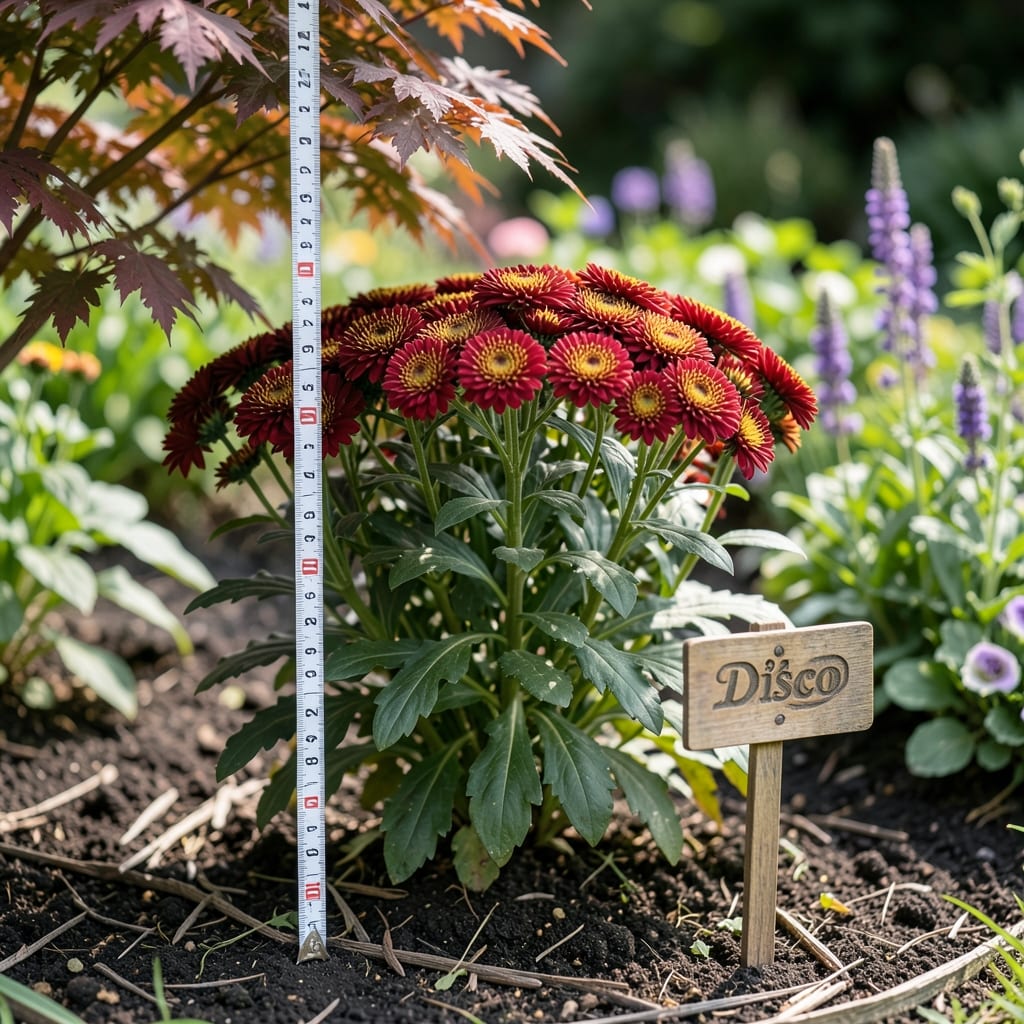
Wondering how tall a Florist's Chrysanthemum 🌼 can grow and whether it’ll dwarf your patio or reach for the sky? The answer depends on the variety you choose—some stay compact at just 6 inches, while others stretch up to 3 feet tall!
If you’re planning your garden layout or dreaming of dramatic centerpieces, knowing these height ranges is key. Whether you love the delicate 'Dwarf Bonanza' or the bold 'Mammoth' varieties, each thrives with the right care. Let’s explore how sunlight, soil, and pruning can push your chrysanthemums to their full potential—or keep them neatly trimmed.
You’ll also discover how to encourage taller stems or bushier growth, so you can match your plants to your space—whether that’s a cozy container or a sprawling backyard. Plus, we’ll cover the most common mistakes that stunt growth and how to avoid them.
Ready to turn your garden into a vibrant display? Let’s dive into the secrets of growing Florist’s Chrysanthemums at their best height—no guesswork required!


Florist’s Chrysanthemum height guide: dwarf to giant varieties explained
Florist’s chrysanthemums (Chrysanthemum × morifolium) are famous for their versatility—some stay as short as 6 inches, while others stretch toward 3 feet. The key to predicting height lies in choosing the right variety and understanding their growth habits. Whether you’re designing a container garden or a border display, selecting the perfect size ensures your blooms shine without overcrowding.
Dwarf varieties like 'Dwarf Bonanza' max out at 12 inches, making them ideal for window boxes or patio pots. Semi-dwarf types, such as 'Florist’s Pompon', typically reach 18–24 inches, perfect for mixed borders. Meanwhile, standard varieties like 'Mammoth' or 'Florist’s Spray' can tower 2–3 feet tall, commanding attention in cut-flower gardens or backyard focal points.
Here’s how to match varieties to your space and design goals:
| Variety Type | Mature Height | Best For | Spacing Needs |
|---|---|---|---|
| Dwarf (e.g., 'Dwarf Bonanza') | 6–12 inches | Containers, window boxes | 6–12 inches apart |
| Semi-Dwarf (e.g., 'Florist’s Pompon') | 12–24 inches | Borders, mixed beds | 12–18 inches apart |
| Standard (e.g., 'Mammoth', 'Florist’s Spray') | 24–36 inches | Cut flowers, focal points | 18–24 inches apart |
| Giant (e.g., 'Florist’s Giant') | 36–48 inches | Large gardens, events | 24–36 inches apart |
Pro tip: Check seed packets or plant tags for mature height estimates, as even within categories, individual plants can vary by 2–4 inches. For example, a 'Florist’s Pompon' might stay at 18 inches in partial shade but stretch to 24 inches with full sun and regular pruning.
If you’re growing chrysanthemums for cut flowers, prioritize taller varieties like 'Florist’s Spray', which produce long, sturdy stems. For landscape designs, mix heights—place dwarf varieties in front and taller types in back to create depth and visual interest.
Remember, pruning plays a huge role in height control. Pinching back early growth encourages bushier, shorter plants, while minimal pruning lets stems elongate naturally. We’ll dive deeper into pruning techniques in the next section to help you shape your chrysanthemums exactly how you want them!
For container gardening, dwarf or semi-dwarf varieties thrive in 5–10 gallon pots, while standard types need 12+ gallon containers to support their roots and stems. Always use pots with drainage holes to prevent root rot, which can stunt growth and reduce flower quality.
Lastly, climate matters. In warmer zones (USDA 8–10), chrysanthemums may grow 10–20% taller due to longer growing seasons. In cooler climates (USDA 5–7), expect slightly shorter heights unless you extend the season with row covers or greenhouses.
Ready to pick the perfect variety? Grab your garden journal and note which heights work best in your space—your future blooms will thank you! 🌼
How to control Chrysanthemum height: pruning tips for compact or tall growth
Want to shape your Florist’s Chrysanthemums into bushy companions or towering centerpieces? Pruning is your secret weapon! The right cuts at the right time can reduce height by 50% or encourage longer stems for cutting. Whether you’re working with dwarf varieties or giant types, timing and technique make all the difference.
For compact growth, focus on early pinching—removing the top set of leaves when plants are 6–8 inches tall. This triggers lateral shoots, creating a fuller, shorter plant. For taller stems, avoid heavy pruning and let the plant grow freely until bud formation begins. Always use clean, sharp pruners to prevent disease and encourage faster healing.
Pinching Back vs. Topping: What’s Best for Your Goals?
Pinching Back
- Goal: Bushier, shorter plants
- When: Early growth (6–8 inches)
- How: Remove top leaf set with fingers
- Best for: Dwarf/semi-dwarf varieties
Topping
- Goal: Taller stems for cutting
- When: Late summer (before buds form)
- How: Cut stems to 12–18 inches
- Best for: Standard/giant varieties
Here’s a step-by-step pruning schedule to maximize height control:
- Early Spring: Remove dead or weak stems to encourage new growth. Use sterilized pruners to avoid spreading disease.
- Late Spring (6–8 inches tall): Pinch back the top set of leaves to promote branching. Repeat every 2–3 weeks for bushier plants.
- Summer (before buds form): For taller stems, avoid pruning. For shorter plants, lightly trim to maintain shape.
- Fall (after blooming): Cut back 1/3 of the plant to prepare for dormancy. Remove spent flowers to redirect energy to roots.
Common pruning mistakes that stunt growth include cutting too late in the season (after buds form) or using dull tools, which tear stems instead of making clean cuts. Always prune in the morning when plants are hydrated and wounds heal faster. For container-grown chrysanthemums, prune slightly more aggressively to compensate for limited root space.
Pro tip: If you’re growing Florist’s Chrysanthemums for cut flowers, let 1–2 main stems grow tall while pinching back side shoots. This ensures long, sturdy stems perfect for arrangements. For landscape designs, mix pruning techniques—pinch back front-row plants for compactness and let back-row varieties grow taller for depth.
Remember, consistency is key. Regular pruning keeps plants healthy, vibrant, and at your desired height. Start small—experiment with one plant at a time to see how your chrysanthemums respond to different techniques. Before you know it, you’ll have a custom-sized garden masterpiece! ✂️